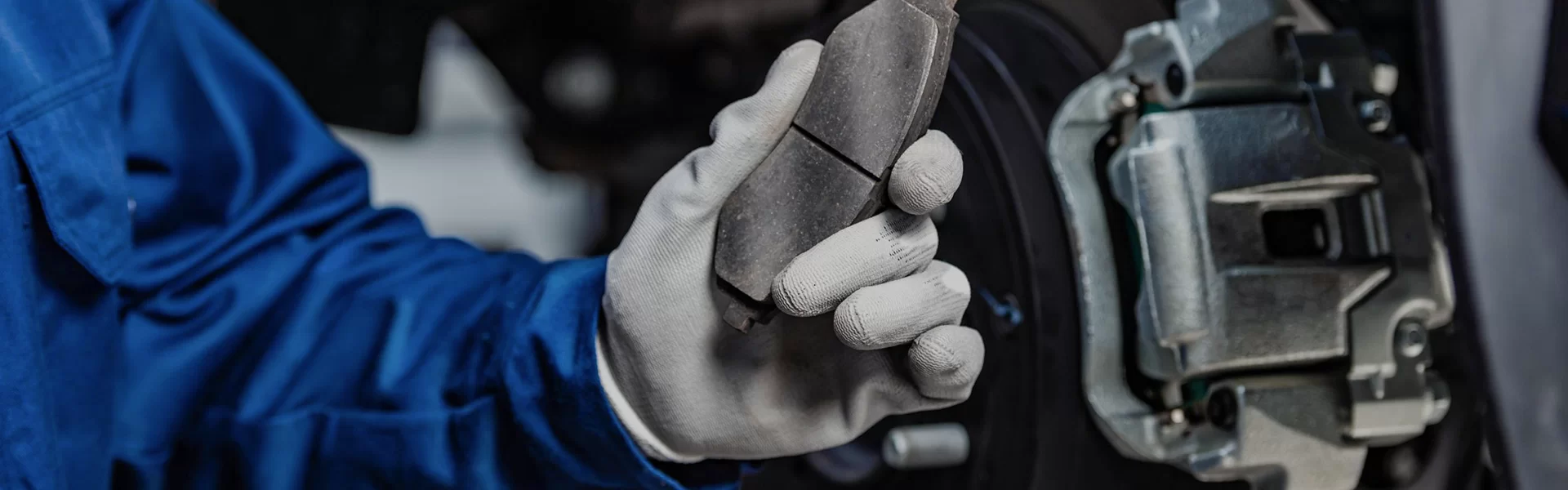
The leading brake shoe is a vital component in many braking systems, significantly impacting vehicle safety and performance worldwide. But why should this somewhat niche part matter to us all? Simply put, the better the brake shoe design and material, the safer our drivers, passengers, and pedestrians become. In industries from automotive manufacturing to heavy machinery, understanding the intricacies of leading brake shoes can translate into improved reliability, cost savings, and environmental benefits.
Across the globe, road traffic injuries claim over 1.3 million lives annually, according to the World Health Organization (WHO). Effective braking systems are at the forefront of tackling this grim statistic. As vehicle production rises—internationally estimated by the International Organization of Motor Vehicle Manufacturers (OICA) to exceed 90 million units per year—the demand for reliable brake components like the leading brake shoe has surged. Yet, challenges remain, including the need to balance performance with sustainability as regulations tighten in Europe, North America, and increasingly Asia.
Leading brake shoes help address these issues by offering improved friction, lower wear rates, and compatibility with new brake technologies. Oddly enough, despite their critical role, many drivers and even some fleet operators overlook these components until failure occurs. That disconnect is exactly why a closer look at the leading brake shoe is worth our time.
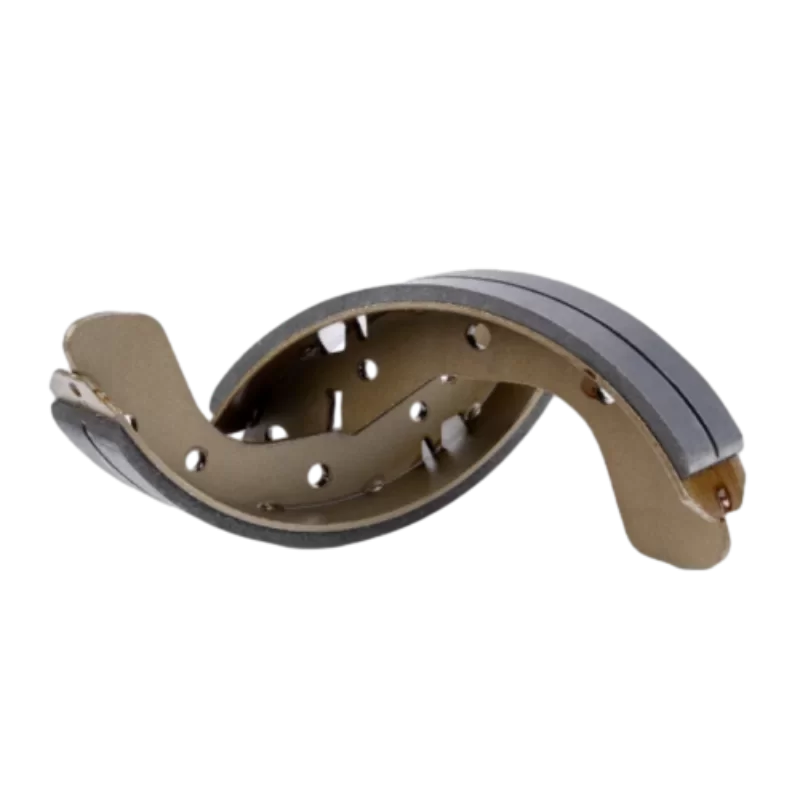
In simple terms, a leading brake shoe is the shoe positioned in a drum brake system so that its friction surface is forced into the drum by the rotation of the wheel, increasing braking force through a self-energizing effect. Imagine pressing your hand against a slowly spinning wheel — it’s that “help from physics” in action.
This concept is especially prevalent in commercial vehicles, motorcycles, and even some passenger cars where drum brakes still hold sway, particularly on rear axles. It’s a neat, efficient design that has endured, even as discs dominate the front brakes industry-wide.
Leading brake shoes must resist daily wear and harsh conditions - heat, dust, moisture, you name it. Durable materials like semi-metallic and ceramic composites help extend lifespan and reduce replacement frequency.
Fleet operators especially care about cost-effectiveness. Good brake shoes can reduce downtime and maintenance costs, which is huge for logistics companies running thousands of trucks worldwide.
Safety is the main game here. The friction lining must provide reliable stopping power without fading in tough conditions—think of a steep downhill or sudden stop.
Standardization (ISO, SAE regulations) ensures compatibility and quality. Some brake shoes are custom-made for niche applications; others fit a wide range of models.
Traditionally, brake linings had asbestos or other hazardous materials. Modern leading brake shoes avoid toxins and focus on recyclability and reduced particulate emissions — a growing concern in urban areas.
Leading brake shoes aren’t just confined to passenger cars. In countries like India and Brazil, heavy commercial trucks frequently use drum brakes on rear wheels, making leading brake shoes vital components. Similarly, motorcycles in Southeast Asia rely heavily on drum braking systems, a place where reliable leading brake shoes dramatically improve rider safety.
In industrial and agricultural machinery across rural Africa, robust brake shoes help operate equipment safely under difficult conditions — dust, mud, and rough terrain. Even in humanitarian settings, for vehicles supporting relief operations, dependable brake components mean workers can move safely over challenging terrain.
Want to see precise examples? You might be interested in our leading brake shoe solutions tailored for different international markets.
In my conversations with mechanics and engineers, the message often is clear: brake shoes aren’t glamorous or exciting, but they’re absolutely pivotal. A good leading brake shoe feels like an unsung hero in daily vehicle safety.
Looking ahead, expect continued material innovation - incorporating nano-ceramics, bio-based resins, and increased use of sustainable ingredients. Digital transformation plays a subtle role too: smart brake shoes embedded with sensors could one day provide predictive maintenance data, improving fleet safety with minimal human intervention.
Green energy vehicles with regenerative braking still use leading brake shoes as a backup, so advances in hybrid-compatible materials are ongoing. And given the push toward circular economies globally, recyclability and environmental compliance will increasingly shape design choices.
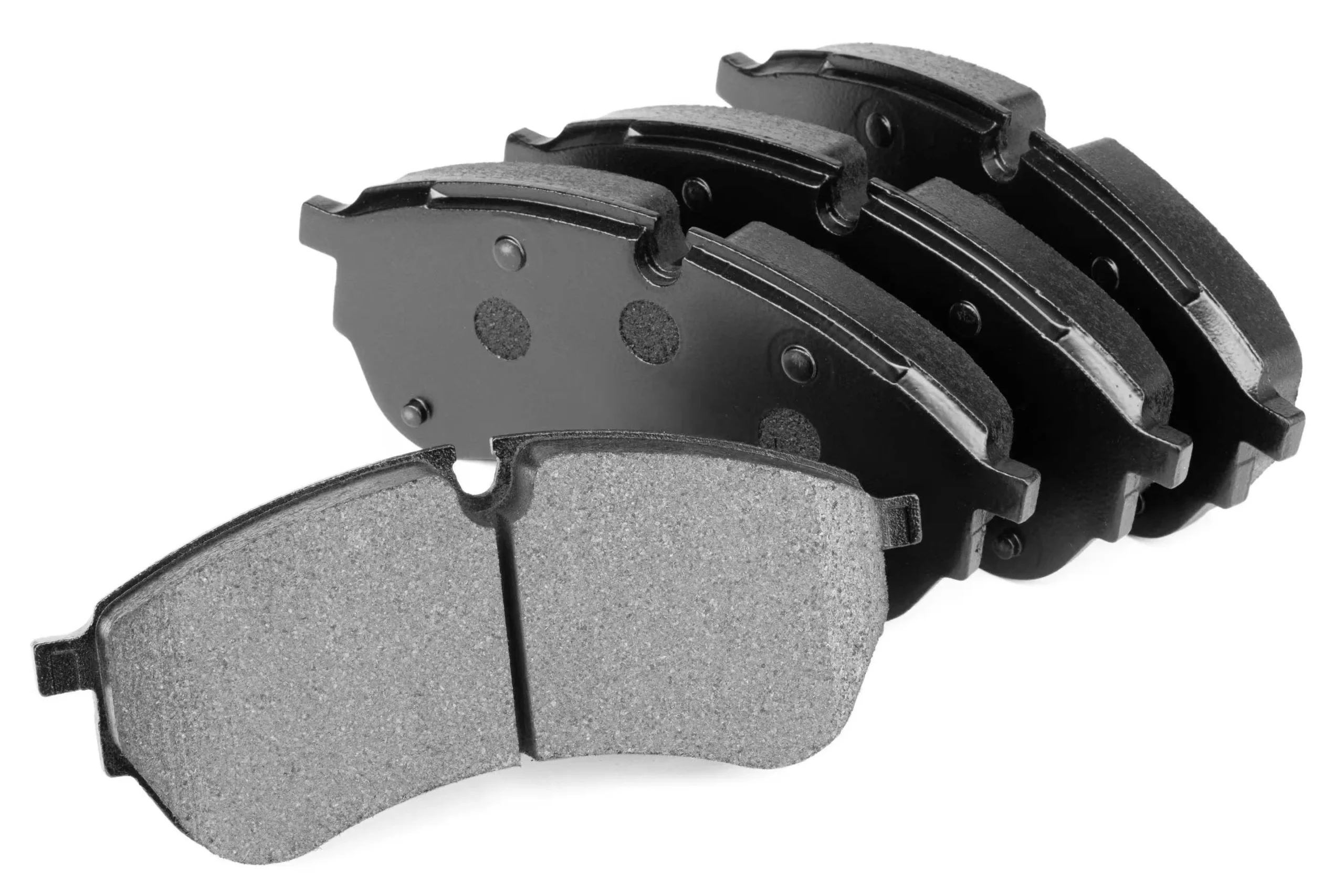
Some problems persist. For example, drum brakes and their shoes generate more heat and wear faster under heavy braking compared to discs. Moreover, improper material choices can lead to noise (the dreaded brake squeal) or accelerated wear.
Experts suggest regular training for installers and better quality control throughout manufacturing. Moreover, supplementing drum brakes with electronic brake force distribution optimizes performance. The industry is also investigating quieter, more efficient friction materials — a continual balancing act.
Ultimately, the humble leading brake shoe plays a surprisingly significant role in ensuring our journeys are safe, cost-effective, and environmentally responsible. It’s a small part with a big job — and, frankly, it deserves more of our attention.
Interested in upgrading your fleet or learning more about cutting-edge brake technology? Visit our website for expert insights and product offerings tailored to your needs.
Mini takeaway: Investing in quality leading brake shoes isn’t just good engineering – it’s a practical, sustainable step toward safer roads worldwide.
References: