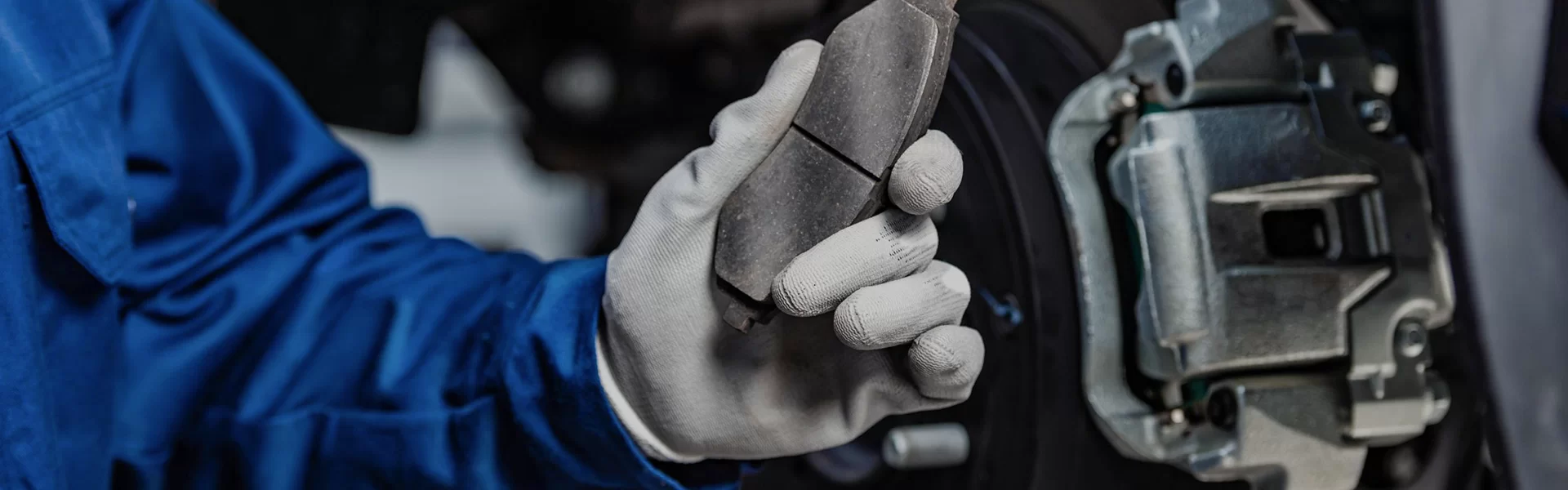
At first glance, an e rickshaw brake shoe might seem like just another tiny mechanical part tucked inside those bustling electric three-wheelers we see everywhere in Asia and beyond. But if you stop to think about it, it’s actually a linchpin in the safe and efficient operation of a vehicle that’s become a global symbol of affordable, green urban transport. This article takes a closer look at what an e rickshaw brake shoe is, why it’s important, and how understanding this component can ripple out to better transportation safety, environmental benefits, and local economies.
According to UN Habitat and World Bank reports, electric rickshaws or e-rickshaws are estimated to transport millions daily, particularly in densely populated urban areas of South Asia, including India, Bangladesh, and Nepal. Their popularity stems from affordability, zero tailpipe emissions, and the ability to nimbly navigate congested streets.
Yet, a critical challenge arises: the safety and reliability of these vehicles cannot be taken for granted. Brake systems, crucial for preventing accidents, heavily depend on the brake shoe. Inferior quality or lack of maintenance can lead to brake failure — which is why the choice and maintenance of an e rickshaw brake shoe is a problem many cities worldwide are eagerly working to solve.
Mini takeaway: The e rickshaw brake shoe is a small but key safety component in an emerging global transport revolution, addressing affordability and sustainability challenges while safeguarding lives.
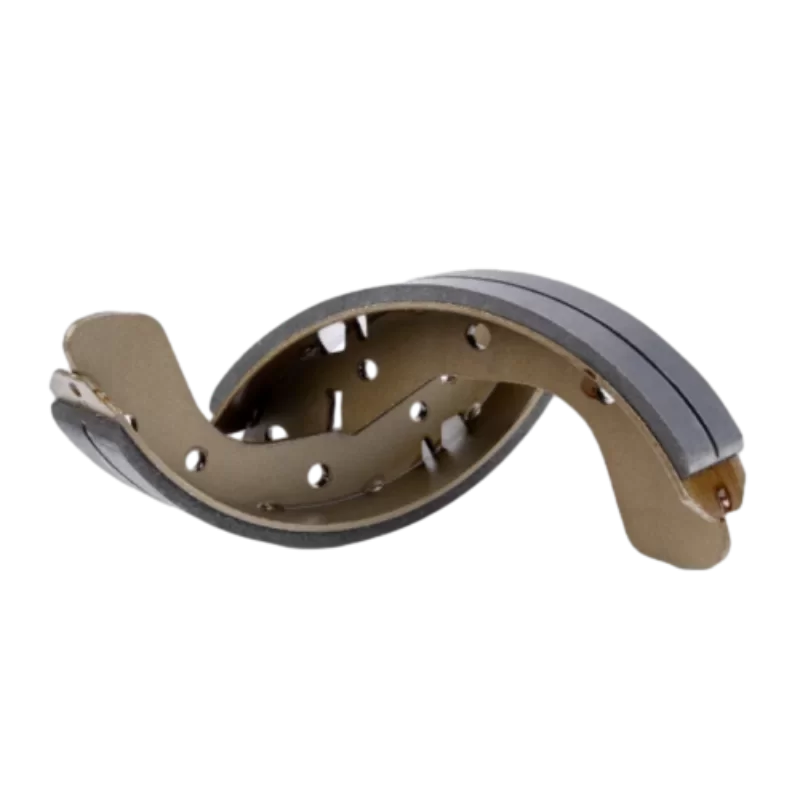
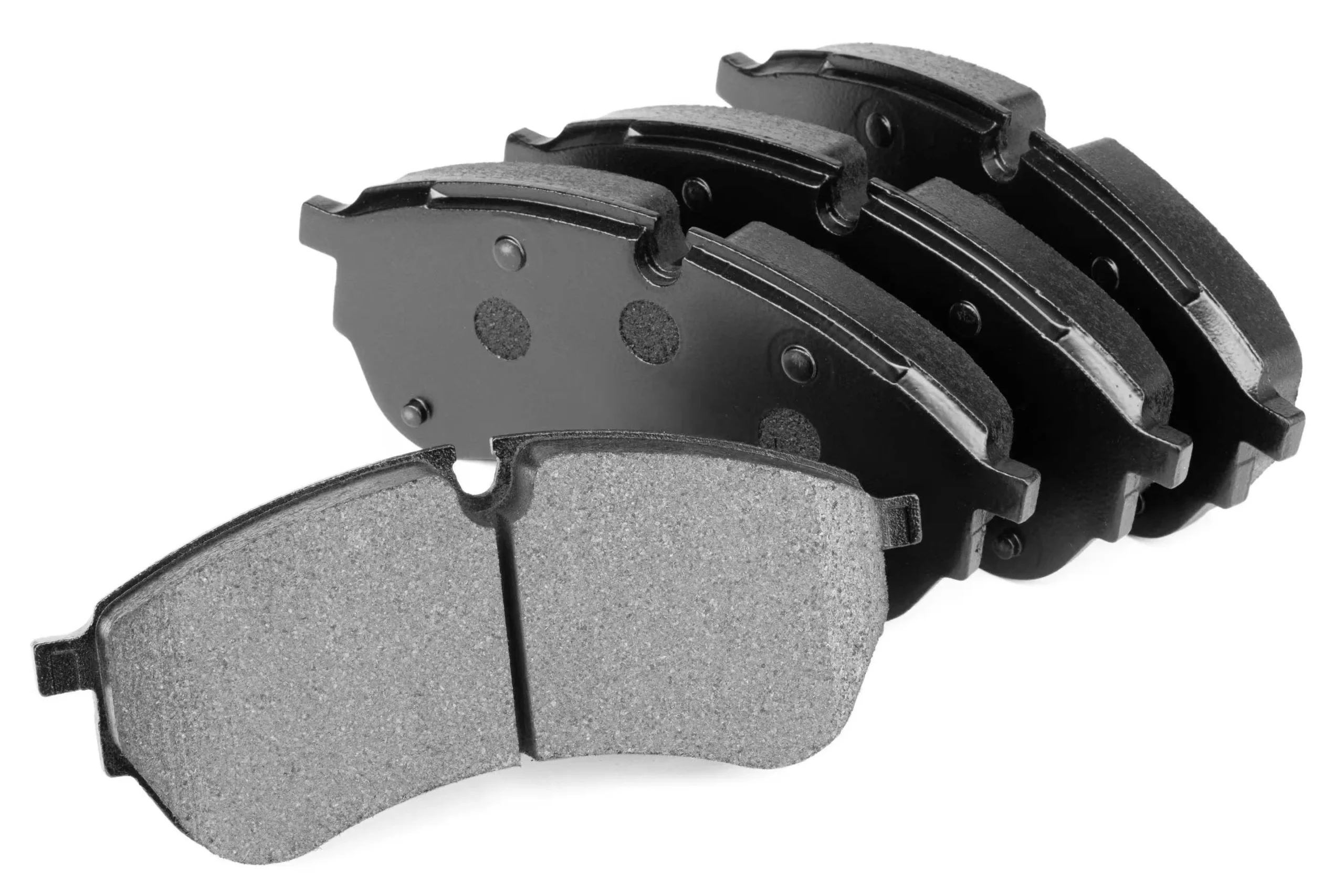
In simple terms, an e rickshaw brake shoe is a curved piece of friction material attached to a metal backing plate inside the drum brake assembly of the vehicle. When the driver applies the brake, the brake shoe presses against the drum to create enough friction to slow or stop the wheels.
Unlike disc brakes that are more common in larger vehicles, drum brakes with brake shoes have remained popular in e-rickshaws because of cost-effectiveness and simplicity. Still, the brake shoe needs to be made from materials that balance longevity, heat resistance, and stopping power — an ongoing technical balancing act.
On a bigger scale, this tiny component holds humanitarian value too: many e-rickshaws are owned by marginalized communities relying on this vehicle for daily income. Reliable brakes literally mean safer livelihoods.
The brake shoe must resist wear and tear despite continuous friction against a hot drum. Materials like semi-metallic compounds or advanced composites can extend the life dramatically — which for drivers, translates to fewer replacements and less downtime.
Since many e rickshaw owners operate on thin profit margins, affordable brake shoes that don’t compromise on quality are essential. Mass production and local sourcing help keep prices accessible.
Stopping a vehicle repeatedly generates heat — the brake shoe must stand up to thermal stress without glazing or fading in performance. Many engineers say this factor is where quality often shows.
The best brake shoes enable quick, tool-free replacements or adjustments. This practical aspect matters especially in rural or low-resource urban zones where skilled mechanics might be scarce.
The e rickshaw brake shoe plays a critical role in cities from Delhi to Dhaka to Kathmandu. For instance:
Such use underscores how this humble component supports both economic activity and social wellbeing.
Mini takeaway: The e rickshaw brake shoe’s real-world utility showcases the blend of urban challenges and innovative solutions unfolding each day on the streets worldwide.
| Specification | Details |
|---|---|
| Material | Semi-metallic friction compound |
| Backing Plate | High-strength steel |
| Thermal Resistance | Up to 300°C continuous |
| Average Lifespan | 12,000 – 15,000 kilometers |
| Weight | 450 grams |
| Compatibility | Standard e-rickshaw drum brake systems |
| Vendor | Material Quality | Average Price (per unit) | Warranty | Regional Availability |
|---|---|---|---|---|
| Brake Masters Co. | High | $3.50 | 12 months | India, Nepal |
| EcoBrake Solutions | Medium | $2.80 | 6 months | Bangladesh, Sri Lanka |
| UrbanRide Parts | High | $4.00 | 12 months | India, Bangladesh, Nepal |
Quality brake shoes mean enhanced braking reliability, which directly translates to increased safety on congested, often unpredictable roads. They also save money over time. How? Longer-lasting materials reduced replacement frequency, and fewer accidents associated costs. Beyond economics, there’s an emotional peace-of-mind for drivers and passengers alike.
From an environmental angle, dependable brake systems help e-rickshaws continue to serve as low-emission vehicles, supporting sustainable urban mobility goals championed by ISO and the UN quite earnestly.
Socially? Many e-rickshaw drivers represent lower-income families relying on steady work. A well-maintained brake shoe may seem minor, but it’s part of preserving lives and livelihoods — that dignity piece many overlook.
Materials science keeps pushing boundaries — newer composite brake linings embedding nanoparticles or ceramic compounds promise even greater heat resistance and wear life. Digitization is creeping in too; “smart” brake shoes embedded with sensors could warn drivers or mechanics preemptively about wear levels.
From a policy stance, governments increasingly mandate quality standards and environmental certifications for these components to reduce scrap and waste. Cleaner, longer-lasting parts align well with green energy transitions all over.
Though cost pressures tempt manufacturers to cut corners, resulting in subpar brake shoes, many suppliers now offer quality certification programs. Urban fleet operators encourage regular brake inspections with tools designed for field fast-checks.
Another hurdle remains the lack of user awareness. Here, organizations promoting road safety and vocational training are crucial. The simple act of teaching drivers how to check and replace brake shoes can save countless accidents.
Generally, every 12,000 to 15,000 km depending on driving conditions. Frequent stops in heavy traffic shorten lifespan. Regular checks every 3,000 km help spot early wear.
Yes, if you have basic mechanical skills. Brake shoes are designed to be replaceable with common tools. But if unsure, consult a professional to avoid safety risks.
No, sizes vary by manufacturer and model. Always check compatibility or consult the vehicle’s manual before buying.
Possible causes include aggressive braking, poor road conditions, or inferior material quality. Upgrading brake shoe quality or adjusting driving habits helps extend life.
As urban mobility shifts increasingly toward clean and affordable vehicles like e-rickshaws, the humble brake shoe quietly shoulders enormous responsibility. Choosing quality, understanding maintenance, and embracing future innovations are key to unlocking safer, greener streets for millions.
Curious to explore high-quality e rickshaw brake shoes that uphold safety and durability standards? Visit our website: https://www.kybrakepad.com — your destination for trusted components fueling tomorrow’s urban transport.
References:
1. United Nations Habitat – Urban Transport Reports
2. World Bank – Electric Mobility Analysis (2023)
3. ISO 9001 Quality Management & ISO 26262 for Brake Components