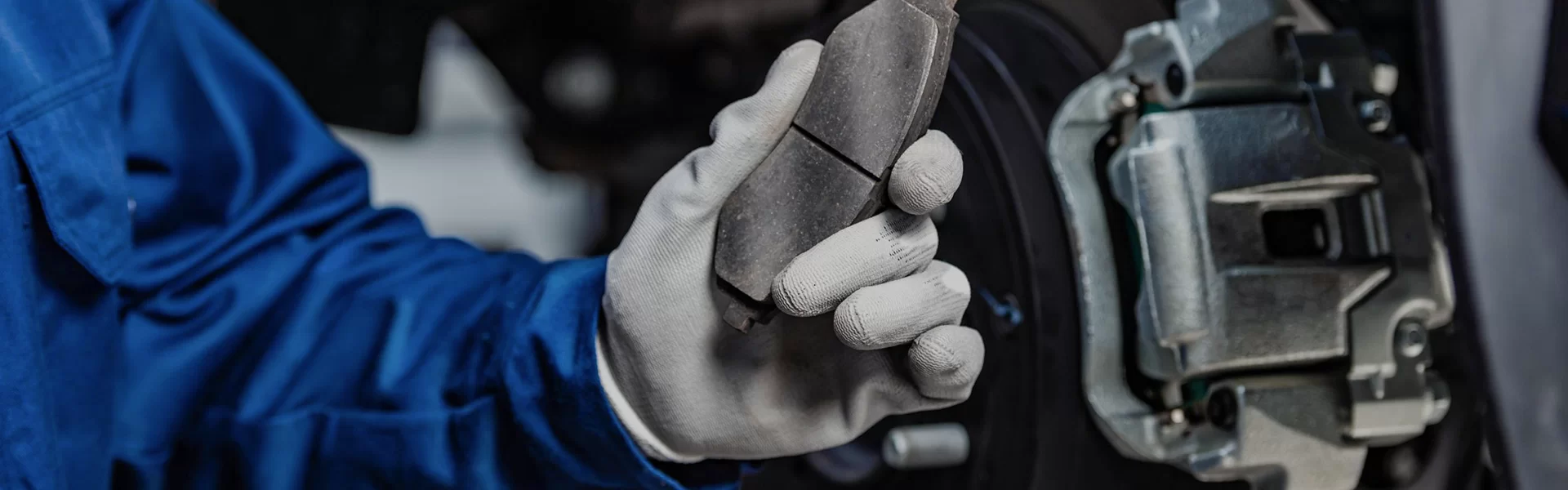
When we talk about vehicle safety and performance, the original brake shoe often plays a starring role, even if it tends to be behind the scenes. Knowingly or not, millions depend on this simple yet crucial component every day to stop effectively and safely. On a global scale, the demand for reliable braking parts is vast—and growing—because transportation is the backbone of modern life, commerce, and emergency response.
Understanding what an original brake shoe is, why it’s vital, and how it performs better than aftermarket alternatives unlocks long-term value for vehicle owners, mechanics, and industries alike. It’s a detail worth your attention, whether you're a fleet manager, engineer, or just a curious driver.
Globally, the automotive market is massive, with over 1.4 billion vehicles on the road as of the early 2020s (source: Statista). Reliable braking systems are a universal need—not a luxury. The World Health Organization estimates that road traffic injuries cause about 1.3 million deaths annually, highlighting the critical nature of vehicle safety components like brake shoes.
Challenges arise especially in less developed regions where aftermarket or counterfeit brake parts flood the market—often undermining safety standards. In industries such as public transport or logistics, brake reliability is non-negotiable.
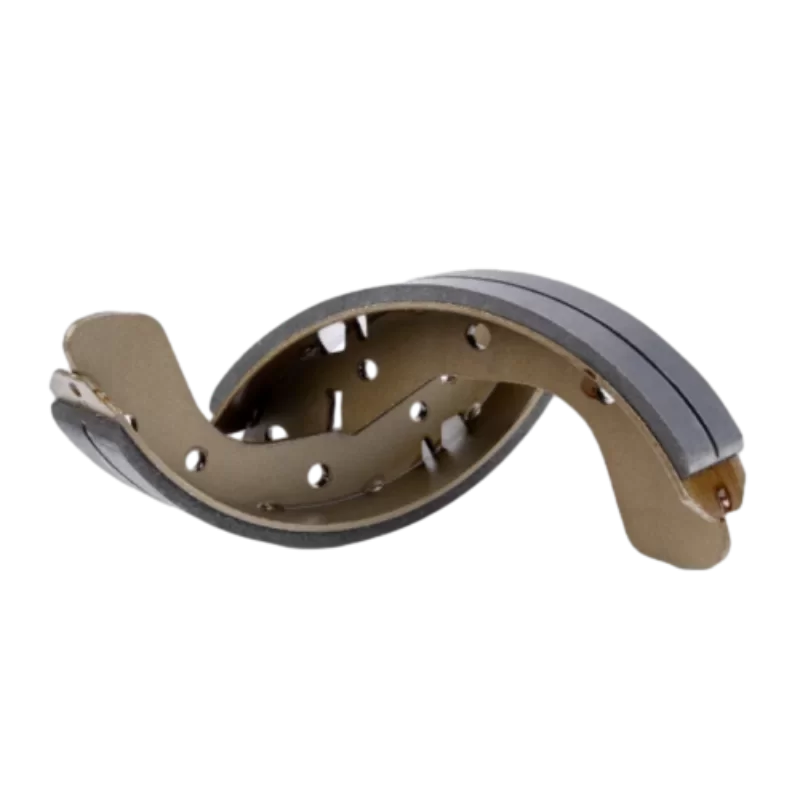
Simply put, an original brake shoe is a component of drum brake systems that applies friction to slow or stop a vehicle’s wheel. Made by car manufacturers or authorized suppliers, "original" means it meets strict design and material specifications set by the vehicle maker.
This makes it distinct from “aftermarket” shoes, which may vary in quality or exact fit. Brake shoes connect intimately with modern industry standards and humanitarian goals—like reducing road accidents and ensuring durable transport in crisis zones.
Original brake shoes tend to use superior friction materials such as composite ceramics or semi-metallic blends, which withstand heat and wear better. This translates into a longer lifespan and safer stops.
Because they're designed exactly for specific vehicle models, original shoes fit perfectly without requiring modifications. That precision prevents uneven wear and brake system damage.
A consistent braking performance is critical for safety. Original brake shoes deliver predictable friction coefficients under various driving conditions, including wet or contaminated roads.
Though often more expensive upfront, originals reduce downtime, repair frequency, and replacement rates, providing better long-term value for fleets or personal vehicles.
Original brake shoes comply with international safety regulations such as ISO standards, ensuring legal compliance, especially for commercial vehicles.
| Specification | Details |
|---|---|
| Material | Semi-metallic composite with ceramic fillers |
| Friction coefficient | 0.35 – 0.45 (dry) |
| Operating temperature range | -40°C to 500°C |
| Thickness (new) | 8–12 mm depending on vehicle model |
| Average lifespan | 40,000 to 70,000 km |
Mini takeaway: Original brake shoes combine high-quality materials with precision engineering to deliver safety, reliability, and cost savings over time.
These brake shoes are fundamental in passenger cars, commercial trucks, buses, and even two-wheelers in many regions. You find them:
For example, in disaster recovery zones, emergency vehicles fitted with genuine brake components can provide confidence that stops will occur promptly—no second-guessing.
| Vendor | Certifications | Material Quality | Price Range | Warranty |
|---|---|---|---|---|
| KyBrake | ISO 9001, OEM Approved | High-grade semi-metallic | $$$ | 2 years |
| Generic Aftermarket | Often none or uncertified | Variable, sometimes low grade | $ | No warranty |
| OEM Manufacturer Brand | Direct OEM certified | Premium materials, model specific | $$$$ | 3 years |
There’s something comforting about original components. They offer peace of mind that your vehicle’s safety won’t be compromised. Their durability means fewer replacements, less downtime, and ultimately a better return on investment.
For companies running logistics fleets, that reliability translates to trusted service delivery and happier customers. On a personal level, wouldn't you rather trust a brake shoe designed and tested by the carmaker over an unknown aftermarket part? It’s a matter of safety, dignity, and trust, which frankly can’t be overstated.
Looking ahead, brake shoe technology is not standing still. Innovations include:
These advances will help reduce environmental impact and increase safety, making original brake shoes an even smarter choice.
Though original brake shoes are robust, issues such as rising raw material costs and supply chain disruptions affect availability. Engineers also contend with balancing cost and environmental compliance.
Solutions involve:
In real terms, the original brake shoe is more than just a spare part; it’s a cornerstone of vehicle safety, efficiency, and peace of mind. Choosing originals supports not only your vehicle’s health but also the broader goals of safety standards worldwide.
For anyone seeking dependable, industry-trusted brake shoes, I recommend exploring what KyBrakePad has to offer — quality you can trust, with the backing of real expertise.
Take care out there on the roads.
Mini takeaway: Don’t skimp on crucial safety parts — original brake shoes combine tested reliability with long-term value that aftermarket copies can rarely match.