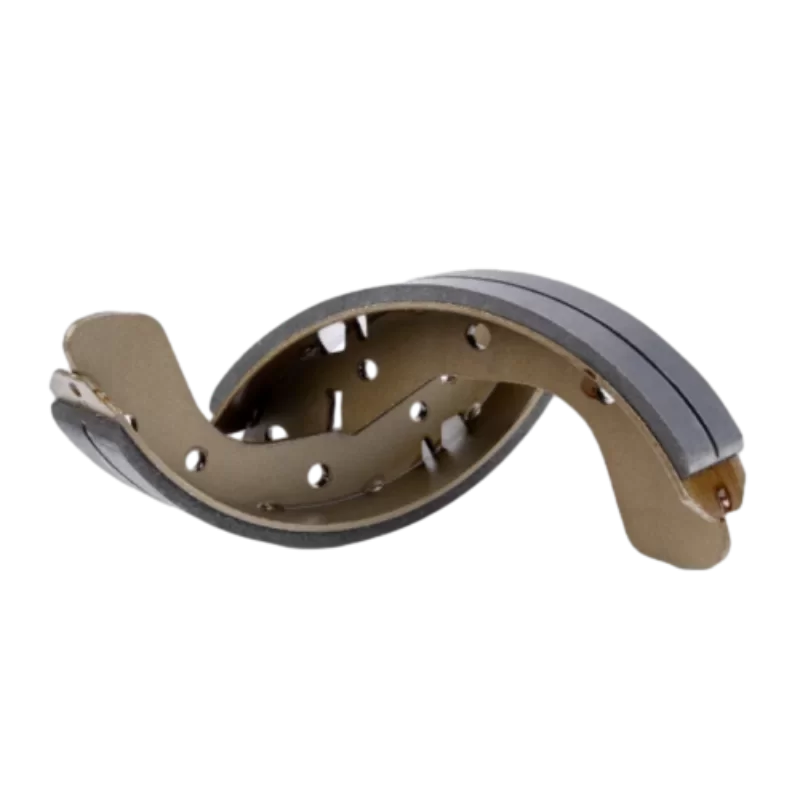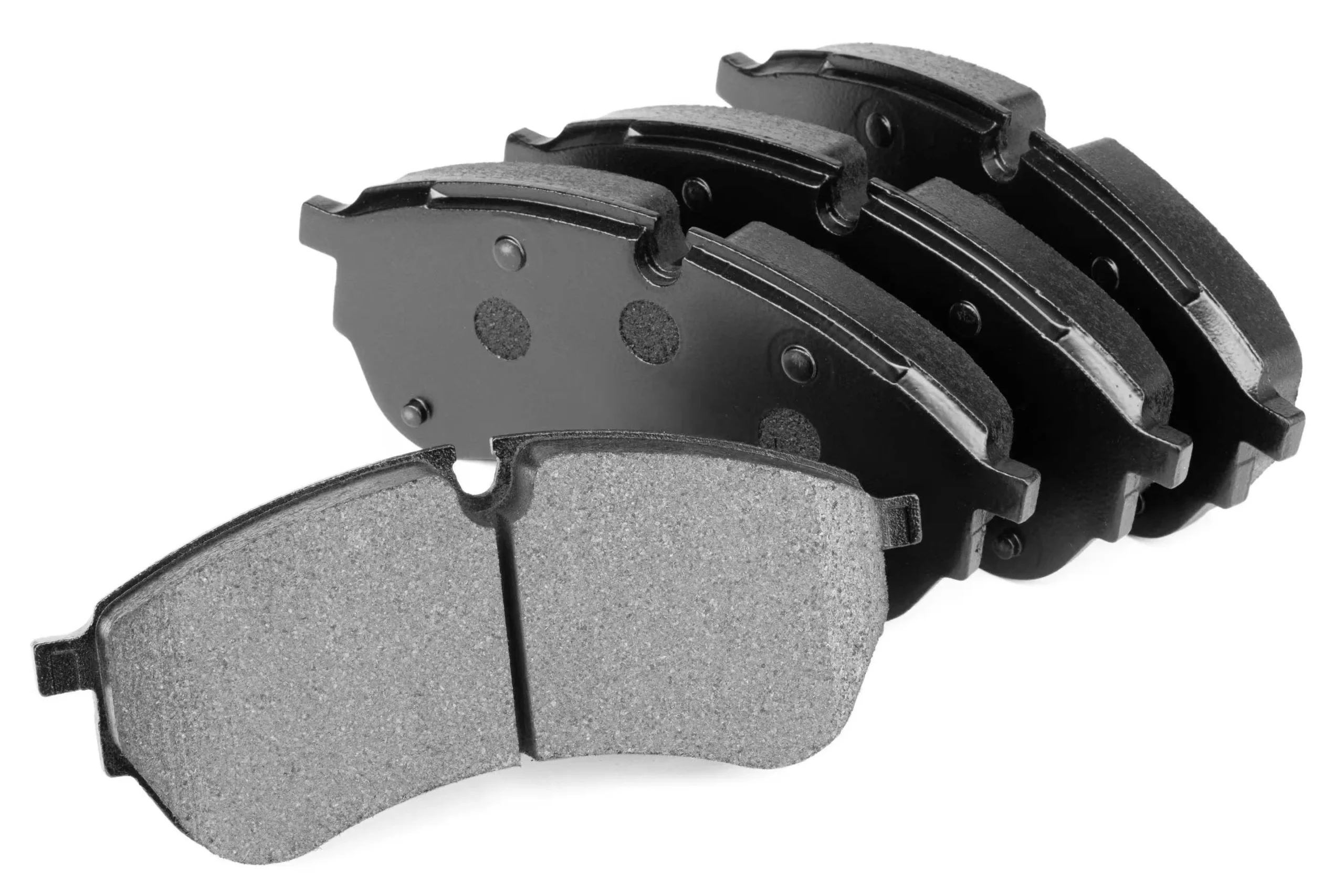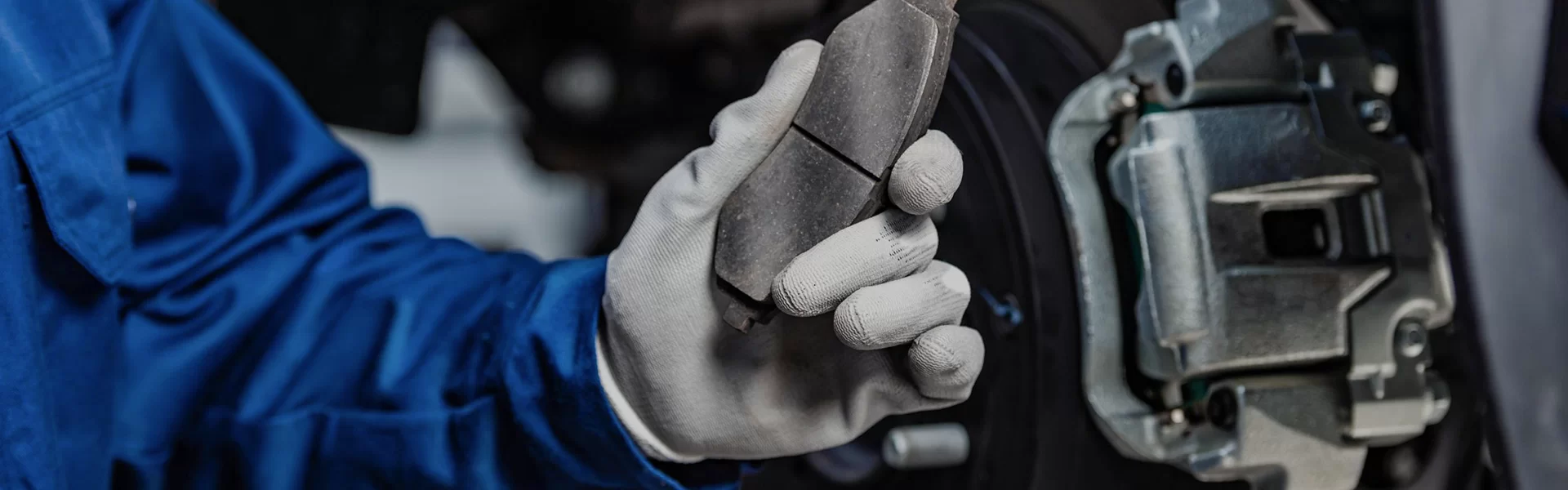
Having spent over a decade working in the industrial equipment sector, I can tell you one thing for sure: sourcing brake pads wholesale suppliers who balance quality, cost, and reliability is no easy feat. I mean, it’s one of those “make or break” components in many heavy machinery setups where safety and performance are non-negotiable. Frankly, it's a mix of science, experience, and sometimes just the feel for a good supplier relationship that separates the reliable from the rest.
Over the years, I've noticed a few trends. Brake pads are no longer just simple friction material slapped onto a metal backing plate. Today, materials vary widely — from semi-metallic blends that offer durability under harsh conditions, to ceramic pads favored for quieter operation and less wear on rotors. Oddly enough, some engineers swear by organic pads for certain delicate machinery, even though they wear faster. It really depends on the use case and the expected duty cycle.
When vetting brake pads suppliers wholesale, I always emphasize these core specs (and urge my clients to do the same). Here’s a quick rundown of typical specs I look for in a good batch:
| Specification | Typical Range/Value | Why It Matters |
|---|---|---|
| Friction Coefficient (μ) | 0.35 ~ 0.45 | Ensures consistent braking force |
| Operating Temperature Range | -30°C to 600°C | Safety across extreme conditions |
| Wear Rate (mm³/min) | 0.2 ~ 0.5 | Longevity of the pads |
| Noise Level (dB) | 60 ~ 75 dB | Operator comfort and environment |
| Backing Plate Material | Steel or Composite | Structural integrity & heat dissipation |
However, specs alone don’t tell the whole story. I recently encountered a mid-sized construction firm that switched to a lesser-known wholesale supplier offering ceramic-based brake pads. Initially skeptical, they found that the new pads reduced rotor wear significantly and lowered downtime caused by brake maintenance — a win-win. These sorts of anecdotal results often get overshadowed by spec sheets but can be game-changers in real terms.
Still, balancing quality with bulk pricing can be tricky. That’s where knowing your supplier intimately helps. Here’s a rough comparison of three typical wholesale brake pad suppliers I’ve worked alongside, just to illustrate:
| Supplier | Materials Offered | MOQ (units) | Typical Lead Time | Customer Support |
|---|---|---|---|---|
| KY Brake Pad | Semi-metallic, Ceramic, Organic | 100 pairs | 2 weeks | Responsive, technical consults |
| Acme Brakes | Semi-metallic, Ceramic | 250 pairs | 3-4 weeks | Standard support hours |
| Global Brake Solutions | Primarily Organic | 500 pairs | 4 weeks plus | Limited technical guidance |
You’ll notice KY Brake Pad stands out not just on specs and flexibility but also on technical support. Now, I don’t work for them, but I’ve interacted enough with their team to vouch—they bring that extra layer of expertise, which can matter when you’re customizing brake pads for a unique machine or environment.
Wrapping it up, if you’re in the market for wholesale brake pads, I’d say look beyond pricing. Prioritize materials tested for your specific application, check that the supplier is transparent on specs, and never undersell the value of solid tech support. At the end of the day, brakes are safety components, and you don’t want to cut corners there.
“In my experience, strong supplier partnerships and clear specs keep your operations rolling smoothly and safely.”
References:
1. Brake Engineering Handbook, 4th Ed.
2. Industrial Materials Testing Archives, 2023
3. Direct interviews with industry professionals, 2022-2024