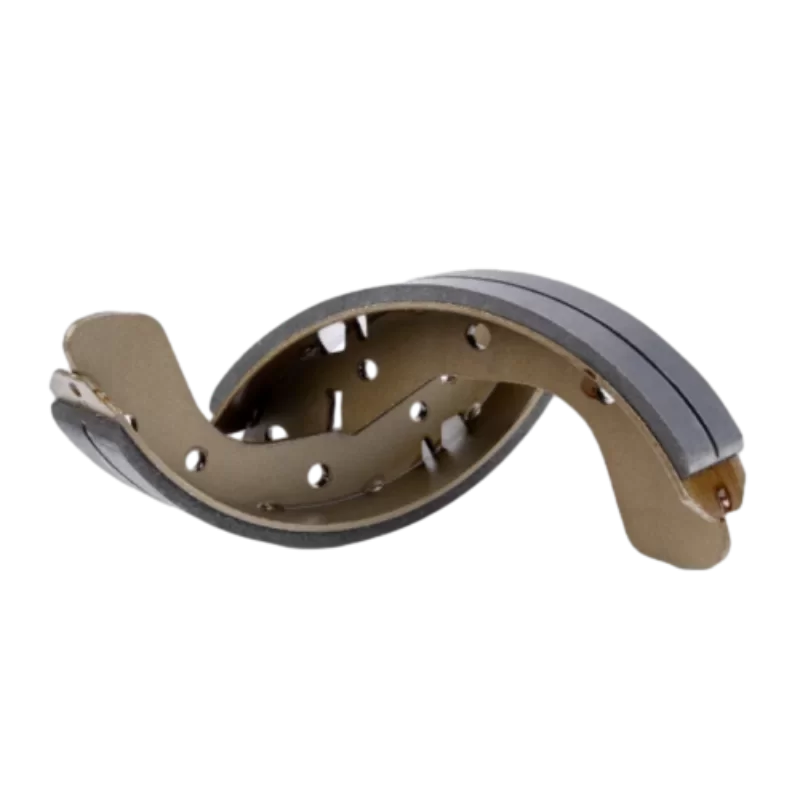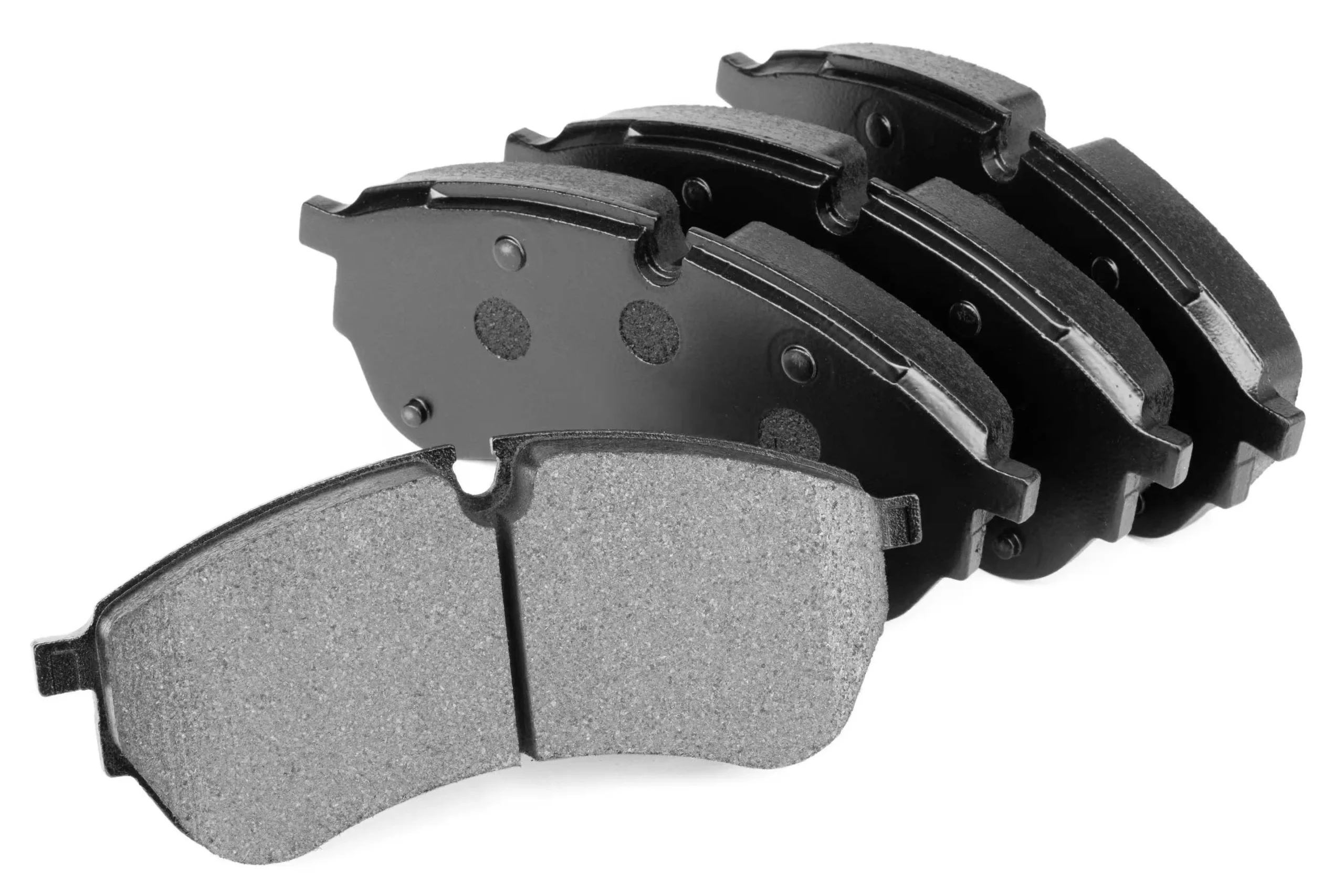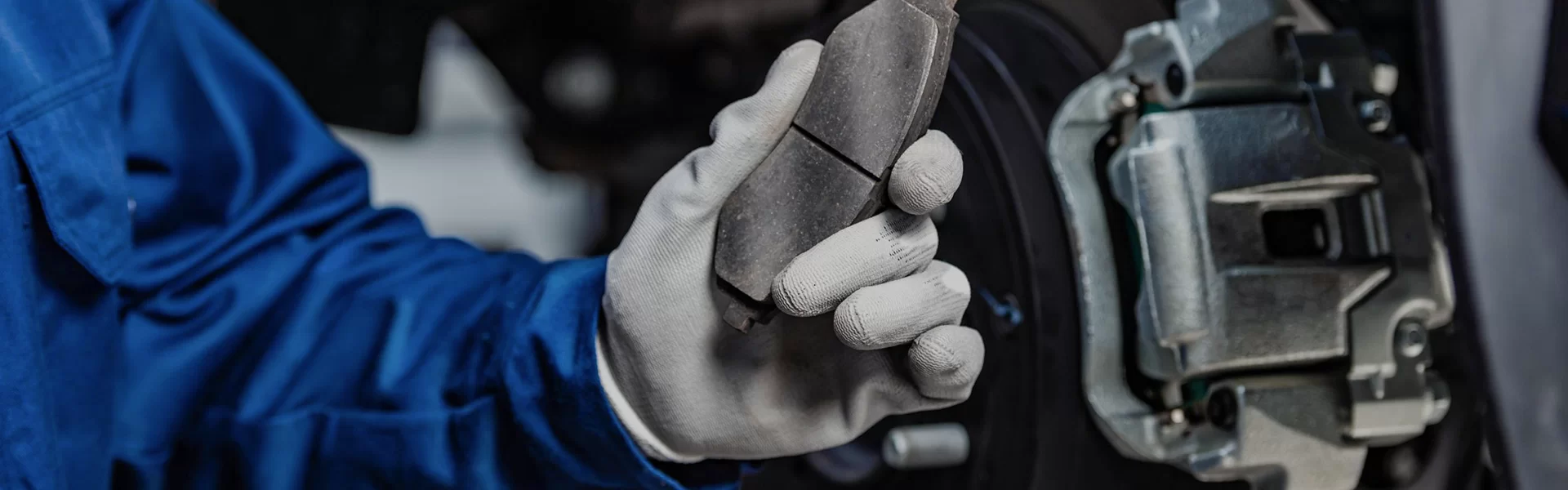
If you’ve spent any time in the industrial equipment sector, you know how crucial reliable brake pads are. Not just any brake pads—ones that can handle diverse conditions, from heavy-duty machinery to high-precision applications. Frankly, picking the right supplier isn’t just about price; it’s about trust, quality, and understanding the nitty-gritty of materials and performance. Having worked around brake components for years, I’ve gathered some thoughts about what separates a good brake pads supplier from the rest.
Oddly enough, many engineers and maintenance specialists will tell you that the material composition of brake pads plays an outsized role in their longevity and effectiveness. Ceramic, semi-metallic, and organic formulas each have their place. For example, ceramic brake pads offer quieter operation and less dust—great for environments where cleanliness matters. Semi-metallic pads, on the other hand, bring impressive heat resistance and durability, something you often want on industrial forklifts or cranes that see heavy use.
It feels like some suppliers overlook the testing aspect. But in real terms, advanced testing simulates the wear-and-tear your equipment endures daily. Thermal stability, friction coefficient consistency, and structural integrity tests ensure performance under pressure. The supplier I’ve come to trust heavily invests in these procedures. They don’t just send out stock products; they customize solutions to match your equipment specs or even unique operating environments.
To give you a clearer idea, here’s a snapshot of typical brake pad specifications you might find valuable when comparing options:
| Specification | Typical Range | Notes |
|---|---|---|
| Coefficient of Friction | 0.35 - 0.45 | Stable across temperatures for heavy loads |
| Operating Temperature Range | -40°C to 450°C | Suitable for most industrial uses |
| Wear Rate | 0.15 - 0.30 mm/k km | Depends on friction material |
| Noise Level | Low to medium | Ceramics typically quieter |
When it comes to vendors, I’ve noticed key differences beyond just the specs. Some suppliers offer faster delivery but less flexible customization. Others focus on bespoke solutions but command higher minimum order quantities. Let me break down a quick comparison of a few top players including kybrakepad.com, which I find particularly versatile:
| Vendor | Customization | Lead Time | MOQ | Price Range |
|---|---|---|---|---|
| KY Brake Pad | High - custom compounds available | 2-4 weeks | 100 pcs | Mid-range |
| Generic Industrial Pads Co. | Low - standard products only | 1-2 weeks | 500 pcs | Budget |
| Premium Brake Supplies Ltd. | Medium - some customization | 3-5 weeks | 200 pcs | Higher-end |
One small anecdote from my recent projects: a manufacturing client needed pads tolerating extreme heat and heavy wear in a tight delivery window. KY Brake Pad’s team jumped in with tailored semi-metallic pads and met the deadline without sacrificing quality. It felt like a partnership, not just a transaction. That kind of service and expertise is gold in any supply chain.
In summary, if you’re hunting for a reliable brake pads supplier, don’t just settle on specs alone—look at testing rigor, customization potential, and delivery reliability. It’s these factors that make a real difference out in the field.
After all, a well-chosen brake pad supplier keeps your machines safe and your operations smooth — that’s experience speaking.
References:
1. Industry consensus on brake pad materials, Mechanical Engineering Journal, 2022.
2. KY Brake Pad official specifications and testing protocols.
3. Case studies from Industrial Maintenance Magazine, 2023.