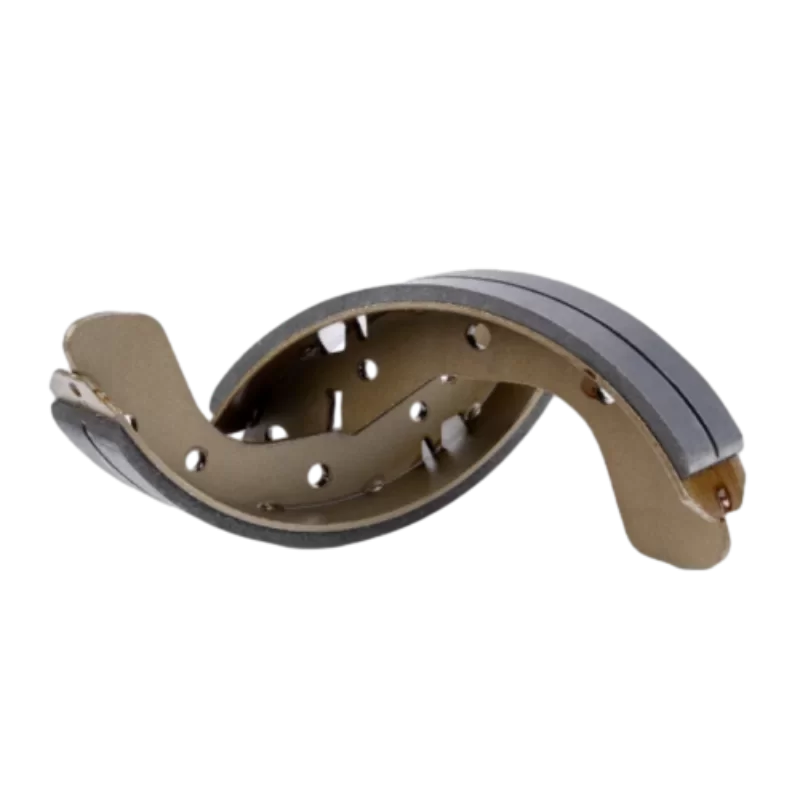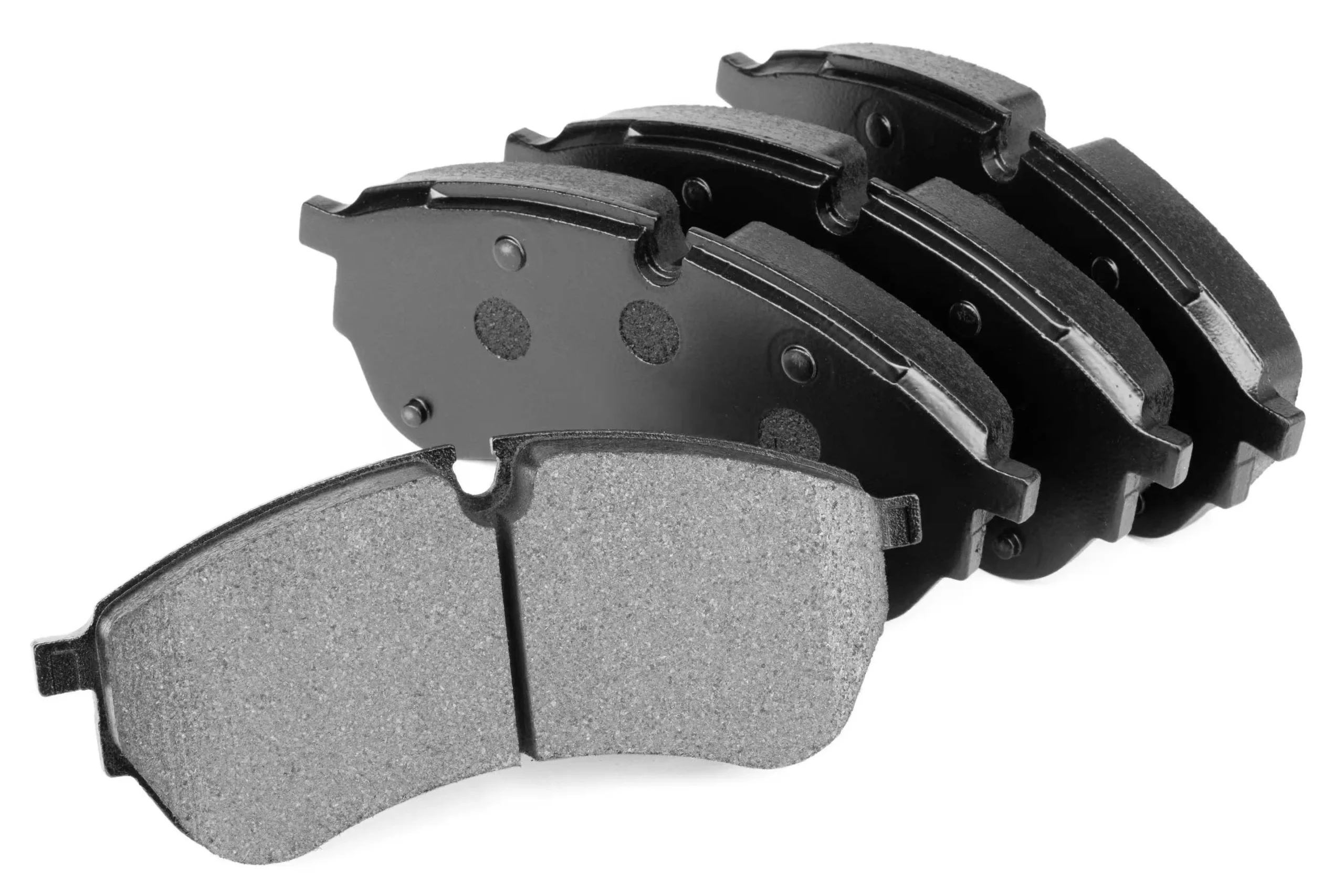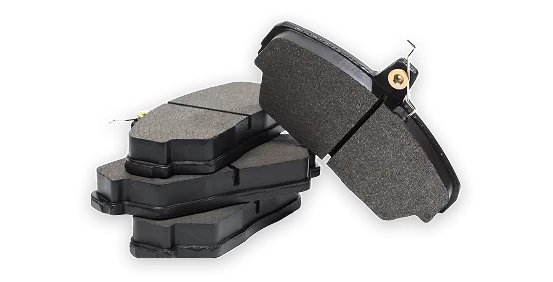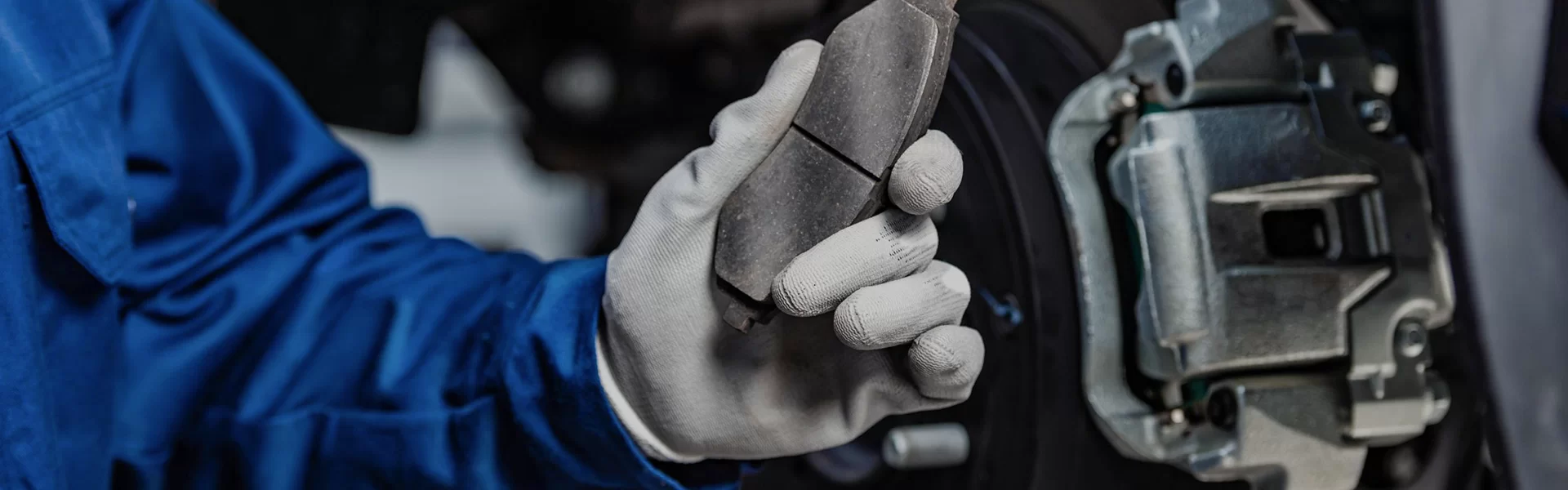
Determining the brake lining price can be complex, dependent on factors ranging from material composition to manufacturer and quantity. Understanding these nuances is crucial for businesses and individuals needing reliable braking solutions. This article provides a detailed overview of the elements influencing brake lining costs, helping you make informed purchasing decisions. We'll explore various types, materials, and suppliers, including insights from KY Brakepad, a leading provider of high-quality brake components. Choosing the right brake lining involves balancing performance, durability, and cost.
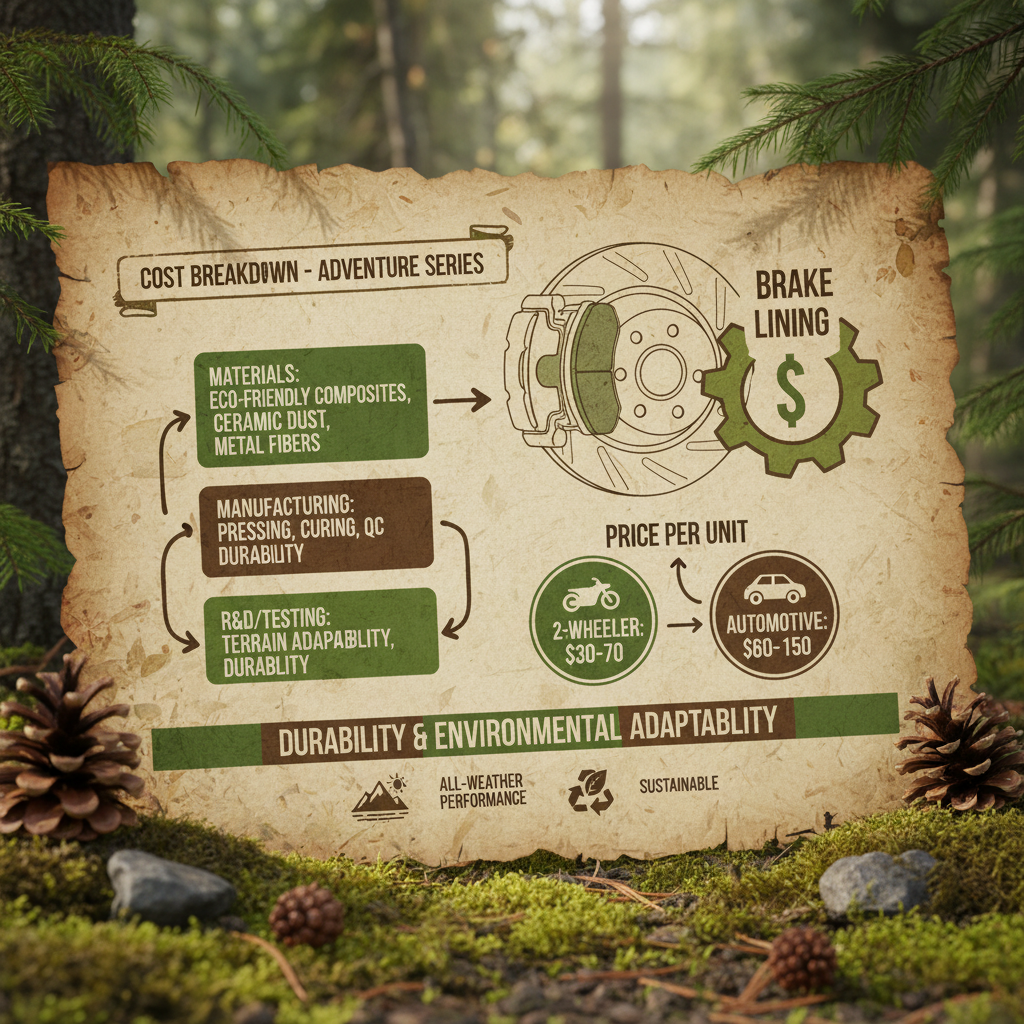
Several key factors contribute to the overall brake lining price. The material used is a primary driver: organic, semi-metallic, and ceramic linings each have different costs associated with their production. Semi-metallic linings, often favored for their stopping power, generally fall in the mid-price range. Organic linings, being quieter but less durable, are typically the most affordable. Ceramic linings, offering a balance of performance and longevity, are usually the most expensive. Manufacturing processes, brand reputation, and geographic location of the supplier also play a significant role. Higher quality control measures and established brand names often translate into higher prices.
Key Highlights: Material composition, manufacturing processes, brand reputation and supplier location all impact final pricing.
Different brake lining materials come with varying price points and performance characteristics. Organic brake linings, made from fibers like cellulose and rubber, are the least expensive, typically ranging from $10 to $30 per set. Semi-metallic linings, combining metal fibers with organic compounds, offer better heat dissipation and stopping power, with prices between $25 and $50 per set. Ceramic brake linings, known for their quiet operation and low dust production, are the most expensive, costing between $40 and $80 or more per set. The choice depends on your specific needs and budget. KY Brakepad offers a wide selection of linings to meet diverse requirements.
Material Cost Breakdown:
• Organic: $10 - $30 per set
• Semi-Metallic: $25 - $50 per set
• Ceramic: $40 - $80+ per set
When evaluating brake lining price, it’s vital to consider performance alongside cost. Organic linings offer the quietest operation but wear out quickly, requiring more frequent replacements. Semi-metallic linings provide a good balance of stopping power and durability at a moderate price. Ceramic linings, while the most expensive upfront, offer superior stopping power, longevity, and reduced brake dust. Choosing the right type hinges on your driving habits, vehicle type, and budget constraints. Consider long-term costs – a more expensive, durable lining might save money in the long run by reducing replacement frequency.
Finding the best brake lining price requires researching various suppliers. Online retailers often offer competitive pricing, but it's important to verify their reputation and product authenticity. Wholesale distributors can provide significant discounts for bulk purchases, making them ideal for businesses. Directly contacting manufacturers, like KY Brakepad, can sometimes yield the most favorable prices. Remember to factor in shipping costs and potential import duties when comparing prices from different sources.
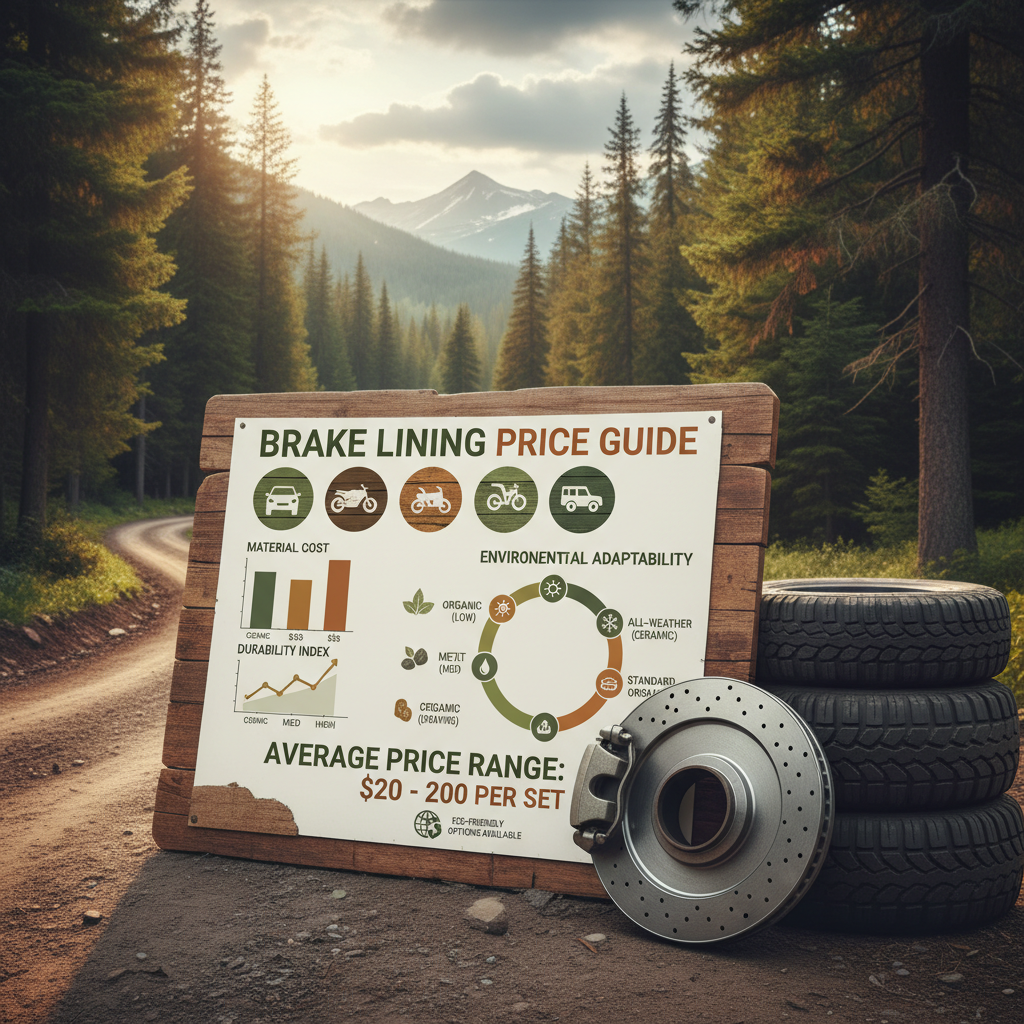
While brake lining price is important, prioritizing quality and supplier reliability is equally critical. Inferior linings can compromise braking performance and safety. Choose suppliers with a proven track record of providing genuine, high-quality products. Look for certifications, warranties, and positive customer reviews. A reputable supplier will also offer technical support and assistance in selecting the right linings for your application. Investing in quality linings and a reliable supplier will ultimately save you money and ensure your safety.
Understanding the various factors influencing brake lining price – from material composition to supplier reliability – is key to making informed purchasing decisions. By carefully weighing your options and prioritizing quality alongside cost, you can ensure optimal braking performance and safety. KY Brakepad provides a comprehensive range of brake linings to meet diverse needs. Don't compromise on safety - choose wisely!
The lifespan of brake linings varies depending on driving habits, vehicle type, and the lining material. Organic linings generally last between 25,000 to 40,000 miles, while semi-metallic linings can last 30,000 to 60,000 miles. Ceramic linings offer the longest lifespan, often exceeding 70,000 miles. Regular inspections are crucial to monitor wear and tear and replace linings before they cause damage to other braking components. Aggressive driving, frequent braking, and heavy loads will shorten the lifespan of any brake lining.
Driving style significantly impacts brake lining wear. Aggressive braking, frequent hard stops, and prolonged use of the brakes on downhill slopes accelerate wear. Smooth, gradual braking conserves brake lining material and extends its lifespan. Anticipating traffic conditions and avoiding unnecessary braking are also effective strategies. Driving in stop-and-go traffic also contributes to increased brake lining wear due to the constant application and release of the brakes.
Not necessarily. While more expensive brake linings often offer superior performance and durability, they may not always be the best choice for every application. Factors such as vehicle type, driving conditions, and budget should all be considered. For everyday commuting, a mid-range semi-metallic lining might be sufficient. However, for high-performance vehicles or demanding driving conditions, ceramic linings are often a worthwhile investment. It’s crucial to balance price with performance and choose linings that meet your specific needs.
When choosing a brake lining supplier, look for a company with a strong reputation for quality and reliability. Check for certifications and warranties to ensure the products meet industry standards. Read customer reviews to gauge the supplier’s service and product quality. A reliable supplier should also offer technical support and assistance in selecting the right linings for your application. KY Brakepad is a good example of a supplier focused on quality and customer satisfaction.