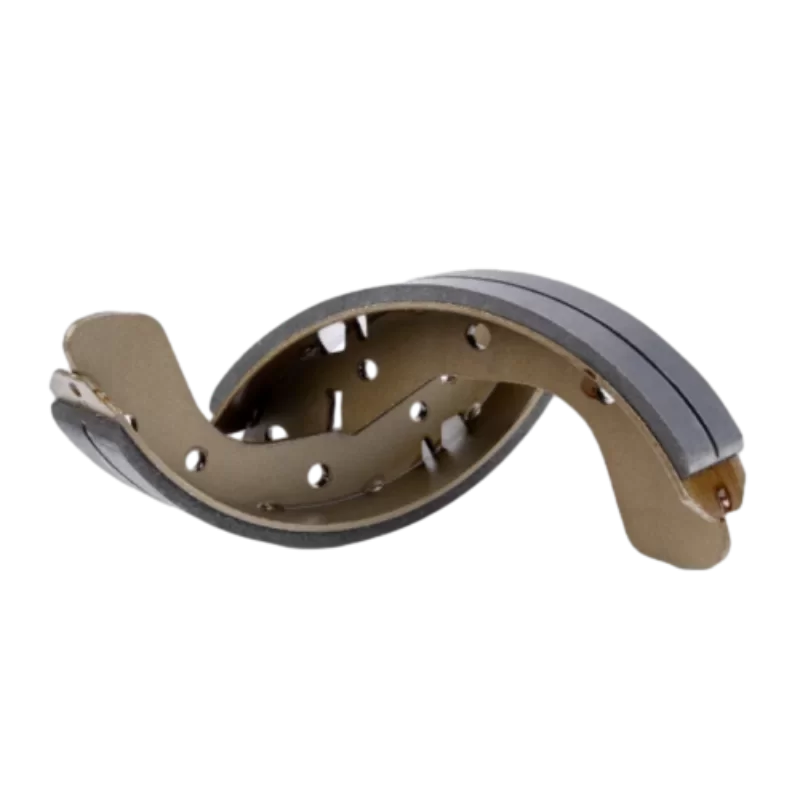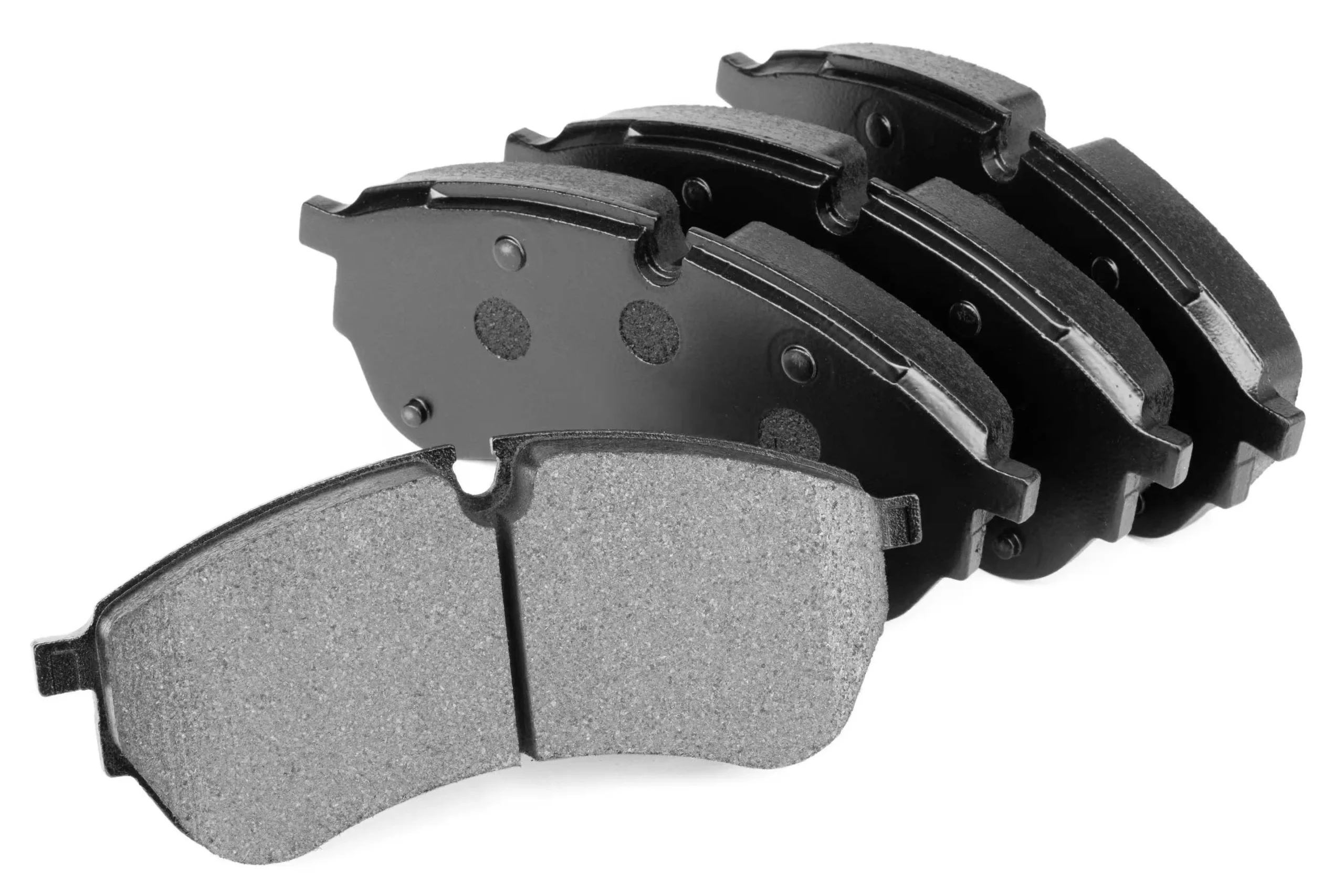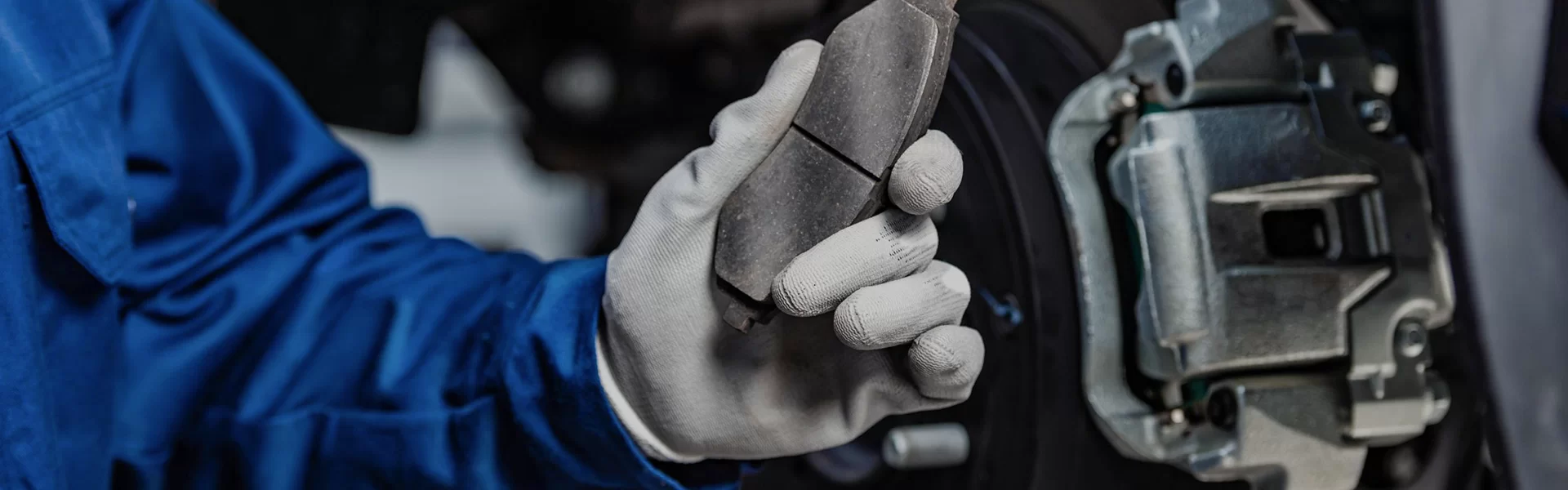
Understanding the average price for brake pads is crucial for both car owners and automotive professionals. Brake pads are a vital safety component, and knowing what to expect in terms of cost can help you budget effectively. Prices fluctuate based on vehicle type, pad material, brand, and where you purchase them. This article will provide a detailed overview of brake pad pricing, factors influencing cost, and where to find quality brake pads at competitive prices. Ensuring your braking system is maintained with quality parts, like those offered at KY Brake Pad, is paramount for safe driving.

Several key factors determine the cost of brake pads. The primary influence is the vehicle make and model. Luxury vehicles and performance cars generally require more expensive brake pads due to their higher braking demands. The material of the brake pad also plays a significant role. Organic brake pads, typically the least expensive, offer quiet operation but may wear faster. Semi-metallic pads provide a good balance of performance and cost. Ceramic brake pads are the most expensive, offering excellent stopping power, minimal noise, and long life. Brand reputation and quality control also contribute to price variations. Finally, the location where you purchase the pads – auto parts store, dealership, or online – impacts the final price.
Key Takeaway: Vehicle type, material, brand, and purchase location all contribute to the final cost of brake pads.
Here's a breakdown of the average price for brake pads, categorized by material type. These prices are per axle (meaning both front or both rear pads) and can vary significantly. It's important to note these are estimates and can change based on your specific vehicle.
As mentioned, vehicle type significantly affects price. Here’s a general idea of what you can expect for common vehicle categories:
Vehicle Type Price Ranges:
• Economy Cars (e.g., Honda Civic, Toyota Corolla): $40 - $100 per axle
• Sedans (e.g., Ford Fusion, Nissan Altima): $60 - $120 per axle
• SUVs/Trucks (e.g., Ford F-150, Jeep Grand Cherokee): $80 - $200+ per axle
• Luxury/Performance (e.g., BMW, Porsche): $150 - $400+ per axle
The purchase location can significantly impact the average price for brake pads. Here's a comparison:
Determining the average price for brake pads involves considering numerous factors. From the material and your vehicle type to the retailer you choose, each aspect contributes to the overall cost. By understanding these variables, you can make an informed decision and select brake pads that offer the best value and performance for your needs. Prioritize safety and quality when choosing brake pads, and consider reputable brands like KY Brake Pad for reliable stopping power.
The lifespan of brake pads varies depending on driving habits, vehicle type, and the pad material. Generally, brake pads should be inspected every 6,000 - 8,000 miles and replaced when they reach 3mm of remaining friction material. Signs indicating the need for replacement include squealing or grinding noises, a spongy brake pedal, or a decrease in braking performance. Ignoring these signs can lead to damage to rotors and other braking components, resulting in more costly repairs. Regular maintenance and prompt replacement are crucial for maintaining optimal braking safety.
Ceramic brake pads are known for their quiet operation, minimal dust, and excellent stopping power. They’re more expensive but tend to last longer. Semi-metallic brake pads offer a good balance between performance and cost. They generate more dust and can be noisier than ceramic pads, but they provide reliable stopping power in various conditions. The best choice depends on your driving style and budget. For everyday driving, ceramic pads are often preferred, while semi-metallic pads might be suitable for more aggressive driving.
Replacing brake pads is a DIY project for mechanically inclined individuals with the proper tools and knowledge. However, it's crucial to understand the process thoroughly and follow safety precautions. Incorrect installation can compromise braking performance and lead to dangerous situations. If you're not comfortable with the procedure, it's best to have a qualified mechanic perform the replacement. Proper bleeding of the brake lines is also essential after pad replacement to ensure optimal braking function.
Not necessarily. While higher prices often correlate with higher quality materials and advanced features, the “best” brake pads depend on your specific needs. For everyday commuting, a mid-range ceramic pad might be sufficient. For high-performance driving or heavy-duty use, investing in premium pads is justified. Consider your vehicle type, driving habits, and budget when making a decision. Don’t simply choose the most expensive option – research and select pads that provide the best performance and value for your situation.