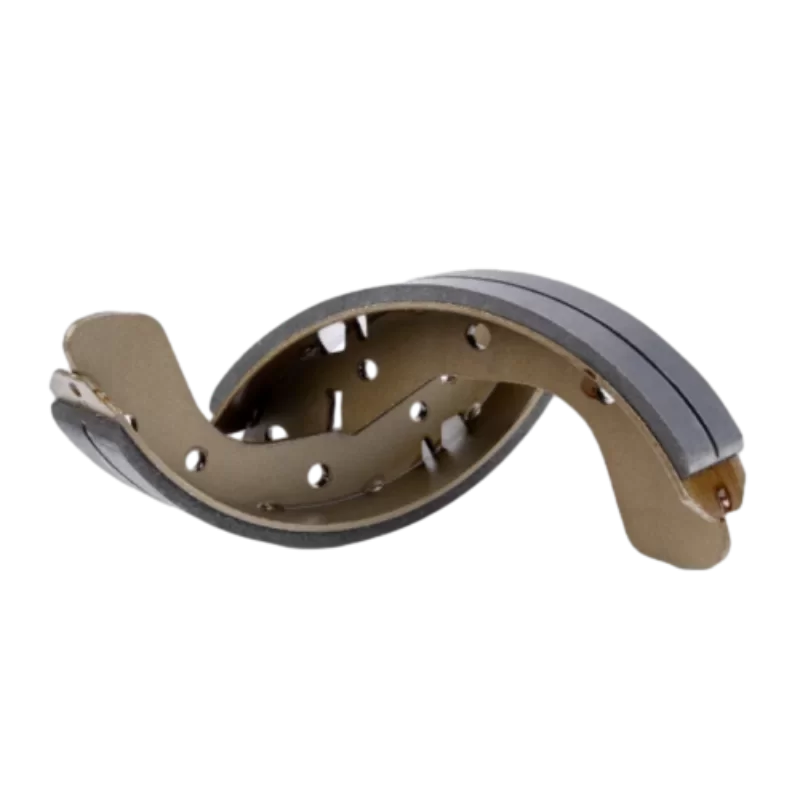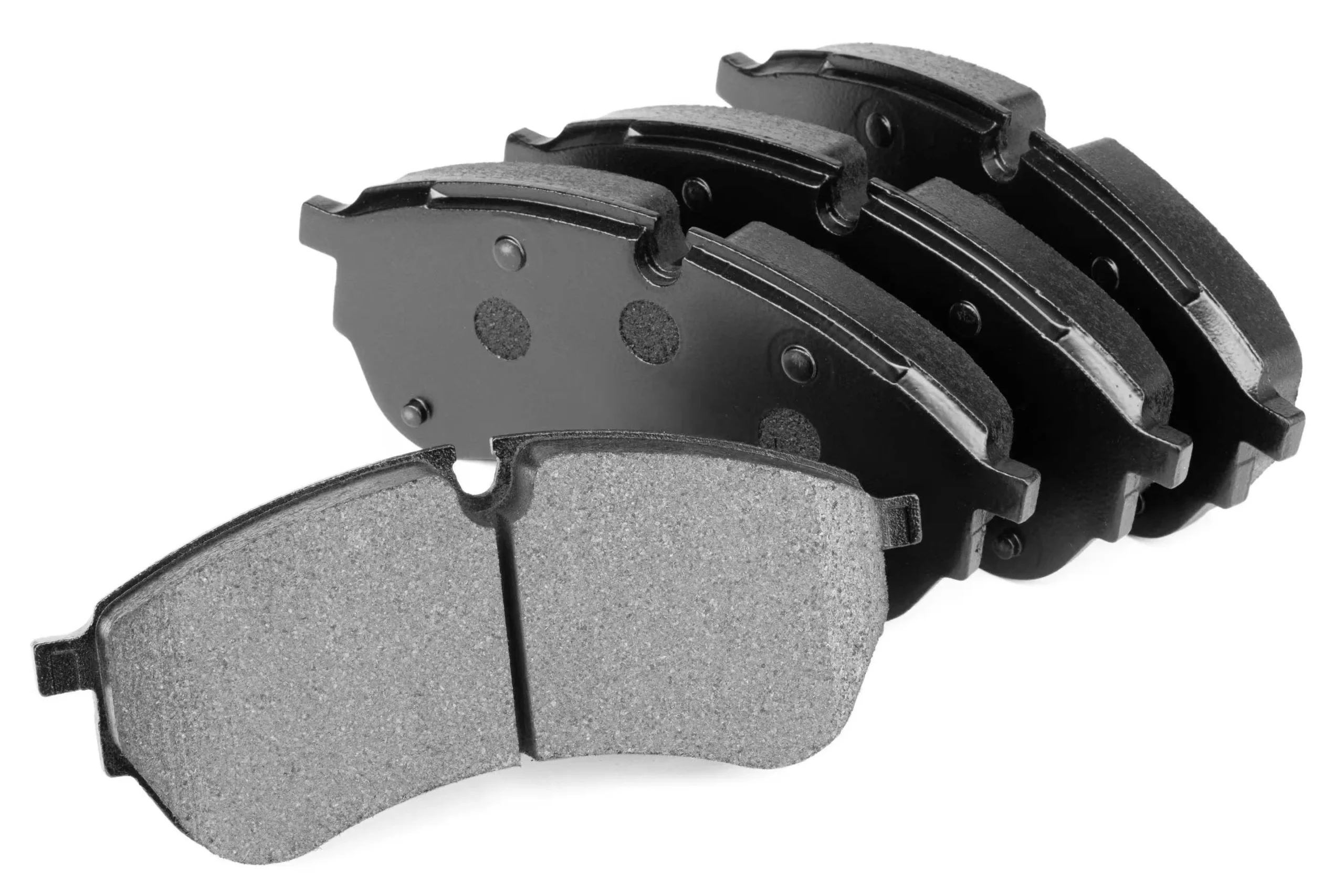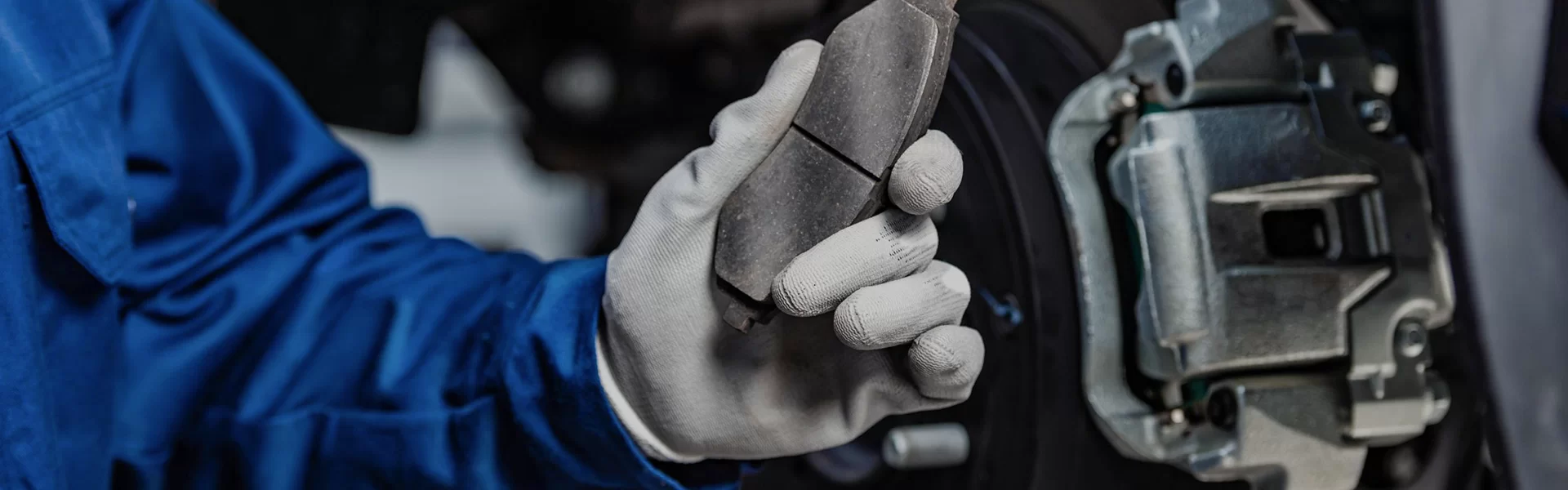
Brake lining sheets might not grab headlines like flashy tech gadgets, but their role in global transportation and industry is quietly vital. They literally keep vehicles safe by providing the essential friction material that helps stop wheels on everything from cars to heavy machinery. Grasping what a brake lining sheet is and why it matters is like understanding the unsung hero of road safety, braking systems, and wear and tear management.
Worldwide, road safety remains a pressing issue, with over 1.3 million deaths annually linked to traffic accidents, according to the World Health Organization (WHO). A large percentage of these accidents involve brake failure, underscoring the importance of dependable braking components. Brake lining sheets are the materials that form the friction parts inside brakes—used by commercial vehicles, trains, and industrial equipment globally. The International Organization for Standardization (ISO) sets strict benchmarks for friction materials, driving innovation to improve the durability and environmental impact of these sheets.
But here’s the catch: brake linings must handle intense heat, mechanical stress, and wear without failing. Finding the right balance in brake lining sheets is a global engineering challenge that touches millions of lives daily.
Simply put, a brake lining sheet is a composite sheet material designed primarily for use as the friction lining in brakes. It’s cut or molded into shapes that press against the brake drum or disc to slow down or stop vehicles. The composite often contains a blend of fibers, binders, fillers, and friction modifiers to achieve the necessary strength, heat resistance, and wear characteristics.
These sheets aren’t just a technical requirement; they enable modern mobility and industrial operations. Without reliable brake linings, emergency braking and controlled deceleration would be risky or impossible. They connect micro-material science with macro-societal needs — safety, efficiency, and environmental responsibility.
Brake lining sheets endure high temperatures generated by friction, often exceeding 300°C during braking. They must resist thermal degradation and maintain friction performance even after repeated stops.
Ideally, brake linings deliver stable friction coefficients to prevent “brake fade.” Also, minimizing noise and vibration improves driver comfort and vehicle longevity.
With increasing regulations on heavy metals like asbestos banned since the late 20th century, modern brake lining sheets use eco-friendly materials that reduce harmful emissions during wear and disposal.
Naturally, manufacturers seek brake lining materials that provide longevity without excessive costs or complex production needs, making scalability easier for mass markets.
Whether it’s heavy-duty trucks, buses, or passenger cars, brake lining sheets come in formulations tailored for different load, speed, and climate conditions.
| Specification | Typical Range | Units |
|---|---|---|
| Thickness | 1.5 – 4 | mm |
| Coefficient of Friction | 0.3 – 0.45 | - |
| Max Operating Temperature | 250 – 350 | °C |
| Density | 1.6 – 2.0 | g/cm³ |
Mini takeaway: Brake lining sheets blend science and engineering to balance heat resistance, friction, and longevity — all essential to keeping the wheels turning safely.
Brake lining sheets are everywhere — from sprawling urban transit systems in Asia to remote mining operations in Africa, and commercial trucking fleets crossing North America. In post-disaster relief efforts, reliable braking on heavy machinery is critical for clearing debris or transporting aid efficiently. Some logistics companies in Europe report improved uptime and safety metrics after upgrading to advanced brake lining materials, especially in mountainous regions where braking demands surge.
In fact, the rise of electric vehicles (EVs) paradoxically makes brake lining sheets even more important in certain contexts. Regenerative braking handles much of the load, but robust linings remain mandatory for emergency stops and heavy-duty vehicles.
Brake lining sheet manufacturers serve a broad industry spectrum — automotive OEMs, heavy equipment makers, aerospace parts suppliers — showing the versatility of the material.
| Vendor | Key Feature | Eco-Friendly | Typical Lead Time | Price Range |
|---|---|---|---|---|
| KyBrake | High-temp resistance, custom sizing | Yes | 2 weeks | $$$ |
| GlobalFric | Wide industrial compatibility | Partial | 3–4 weeks | $$ |
| EcoStop | 100% asbestos-free, bio-based composites | Yes | 4 weeks | $$$$ |
Brake lining sheets bring genuine safety benefits. Their durability means fewer replacements and less downtime — critical for fleet operators and industrial plants. Environmentally, modern brake linings move away from hazardous materials like asbestos and heavy metals, reducing ecological footprint and health risks for workers.
Emotionally, they provide peace of mind; when you trust your brakes to stop your vehicle reliably in a pinch, there’s a sense of safety and dignity that’s hard to quantify. Logically, efficient brake linings reduce wear on discs and drums, lowering maintenance costs in the long haul. It’s innovation and tradition rolled into one.
The major challenges revolve around balancing cost, durability, and ecological impact. In hot climates, brake fade still poses a problem. Additionally, some materials can produce dust that’s harmful when airborne. Industry experts recommend ongoing R&D investments and adopting eco-friendly alternatives like non-asbestos organic (NAO) composites or semi-metallic linings with controlled metal content.
Collaboration between OEMs, material scientists, and regulators helps tackle these by setting performance standards that drive innovation without compromise.
In a nutshell, brake lining sheets may seem like simple components, but their complexity and importance cannot be overstated. Their proper material composition, production quality, and application directly contribute to the safety of billions of vehicles worldwide — from daily commuters to heavy industrial machines. With a clear eye on sustainability and innovation, the future of brake lining sheets promises safer roads and greener outcomes.
If you want to dive deeper into brake lining sheet options and solutions, visit our website: KyBrakePad.com. Stay safe, and keep braking smart!
Quick Takeaway: Brake lining sheets quietly safeguard our mobility, blending material science and safety in ways we often overlook but shouldn't.