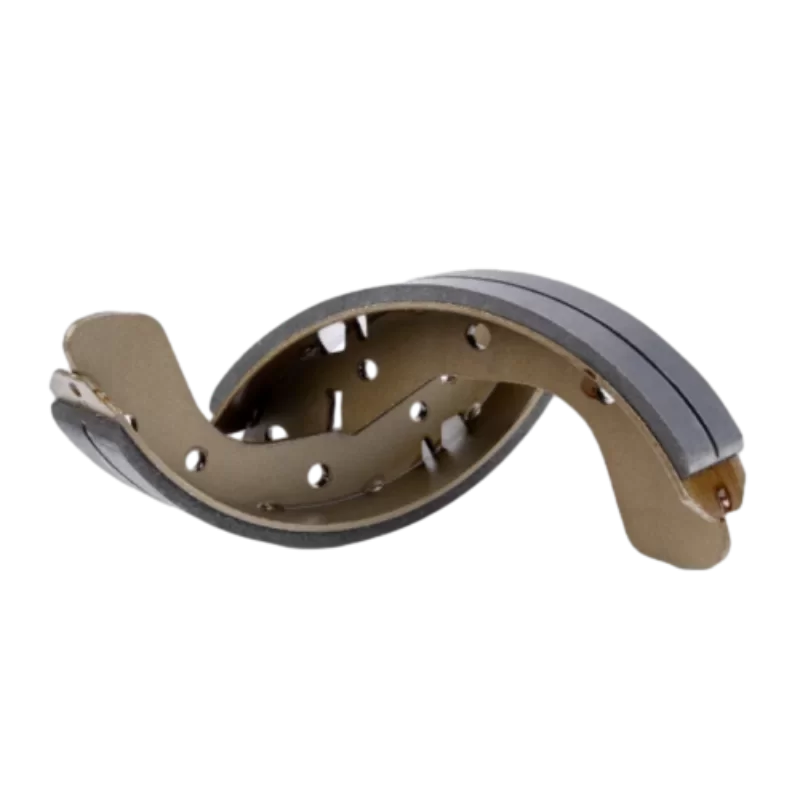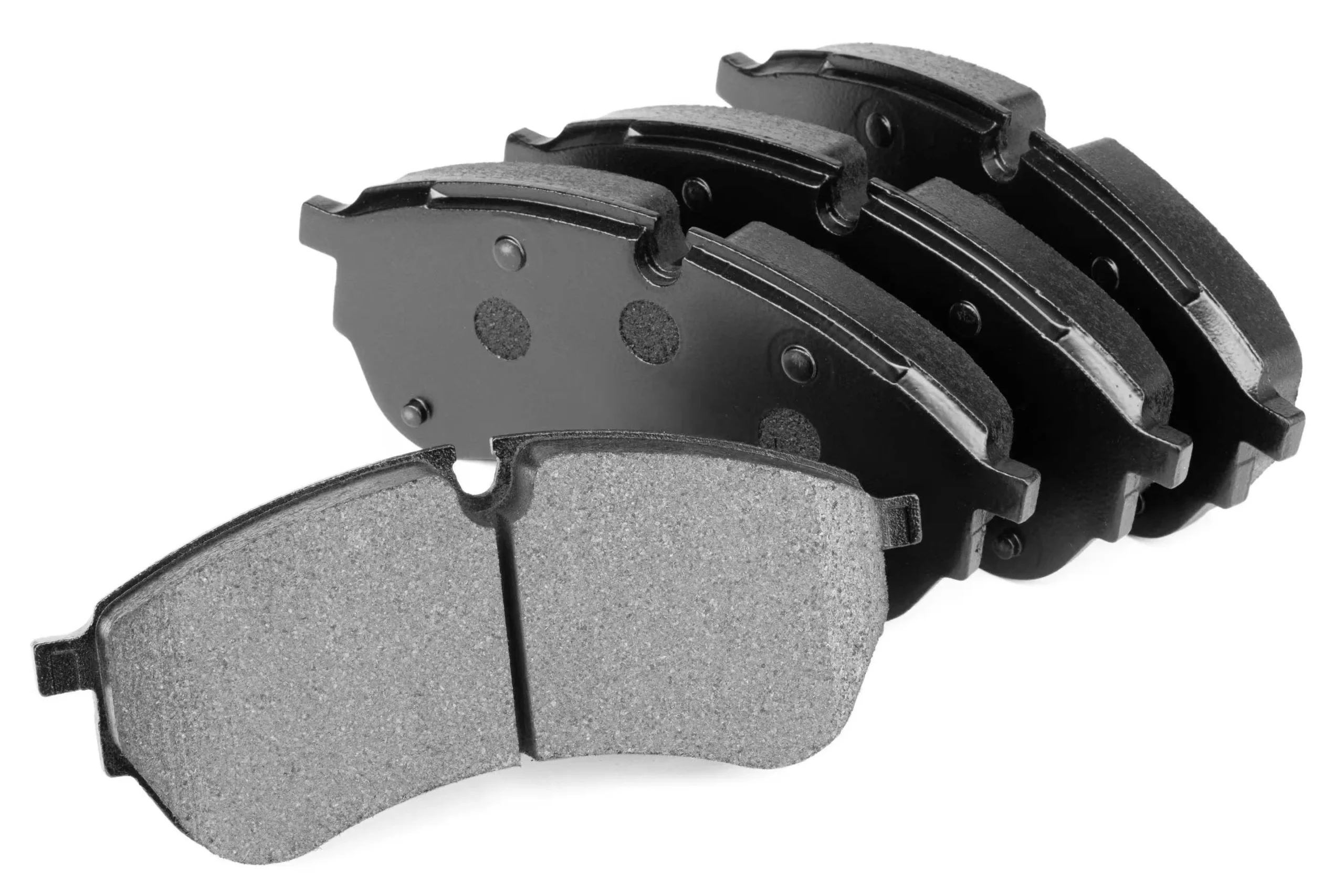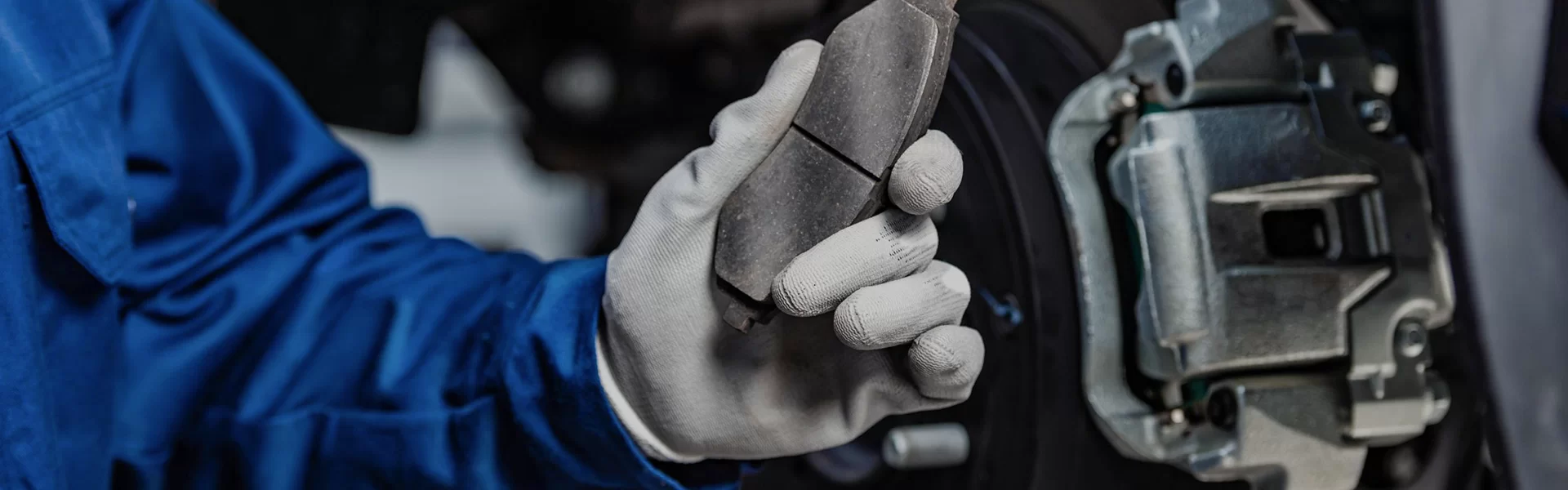
Having spent over 15 years in the industrial equipment sector, I can honestly say brake linings and pads are one of those unglamorous yet absolutely critical components — the kind you only really appreciate when they’re not working reliably. Oddly enough, despite their straightforward function, the engineering behind these parts is pretty fascinating. And frankly, the right brake lining can make a huge difference in performance and safety.
Let’s talk materials first. The classic setup still heavily relies on friction materials that balance wear, noise, and heat resistance. You’ve got asbestos out of the picture (thankfully), replaced by semi-metallic, organic, and ceramic compounds. Each comes with its own quirks: semi-metallic pads are robust and handle heat well but can be noisy and wear down rotors a bit faster; organic pads are quieter and gentler but tend to wear out quicker; ceramics, meanwhile, feel like the premium choice — longer-lasting, less dust, and consistent braking, though usually pricier.
What matters most, though, is testing. I remember visiting a brake lining manufacturer’s test lab once — very impressive set-up. They cycle pads through simulated conditions: harsh temperatures, wet environments, repeated braking to see how friction coefficients hold up. The data is essential because in industrial applications, brakes are often expected to perform under tough loads, long durations, and less-than-ideal maintenance intervals.
Another interesting aspect is customization. It’s not just a one-size-fits-all deal. Different machinery and operating environments demand custom blends or pad shapes. For example, heavy cranes or mining equipment call for linings that minimize fade after prolonged use, while forklifts might prioritize smooth, quiet stops in tight warehouse aisles. I’ve seen vendors offering tailored solutions that honestly save downtime and reduce operating costs in the long run.
If you’re browsing suppliers, you’ll notice some big names compete on quality and pricing, but also on product range and service. Here’s a quick rundown I put together comparing a few established brake lining and pad vendors you might run into:
| Vendor | Material Options | Customization | Price Range | Customer Service |
|---|---|---|---|---|
| KyBrakePad | Semi-metallic, Ceramic, Organic | High - Custom blends & shapes | Mid-High | 24/7 Support, Technical Consult |
| BrakeTech Industries | Semi-metallic, Organic | Medium - Standard sizes only | Mid | Business hours support |
| UltraStop Solutions | Ceramic, Organic | Low - Off the shelf | High | Limited support |
Speaking of specs, I thought I’d share a product spec table for a popular semi-metallic brake pad often used in heavy equipment. It’s a pretty reliable benchmark and a favorite among maintenance crews I’ve worked with:
| Specification | Value | Notes |
|---|---|---|
| Material Type | Semi-Metallic composite | Good heat dissipation |
| Friction Coefficient | 0.35 - 0.45 | Stable under heavy load |
| Max Operating Temp | 600 °C (1112 °F) | Prevents fade during long cycles |
| Wear Life | Up to 50,000 km or 2000 hrs |
Varies by application |
| Noise Level | Moderate | Typical for semi-metallic |
I suppose what really sticks out from my years in the field is this: brake linings and pads aren’t just “replaceable parts.” They’re the frontline for operator safety and efficiency. I’ve heard countless stories where switching to a better-grade lining cut downtime dramatically. One particular client in the forestry sector reported back after replacing their worn pads that machine stoppages dropped by nearly 40%. That’s quite something when even small delays ripple through their whole operation.
Before I let you go, a quick heads-up: If you’re shopping for replacement brake pads or linings, always ask vendors about test certifications and customization options. And check if they offer ongoing technical support — that can save plenty of headaches down the line. For those interested, KyBrakePad is definitely one brand I keep an eye on in industrial brake linings and pads. Their approach to blend technology and customer service is pretty solid.
Anyway, brake linings may not be glamorous, but they sure are indispensable. Choosing the right one? Well, that’s part experience, part knowing your equipment’s quirks — and a bit of good, old-fashioned trial and error.
References:
1. Industrial Friction Materials Handbook, 3rd Edition
2. Brake Linings and Pads: Material Science & Testing, Tech Journal 2022
3. Personal interviews & field visits, 2008-2023