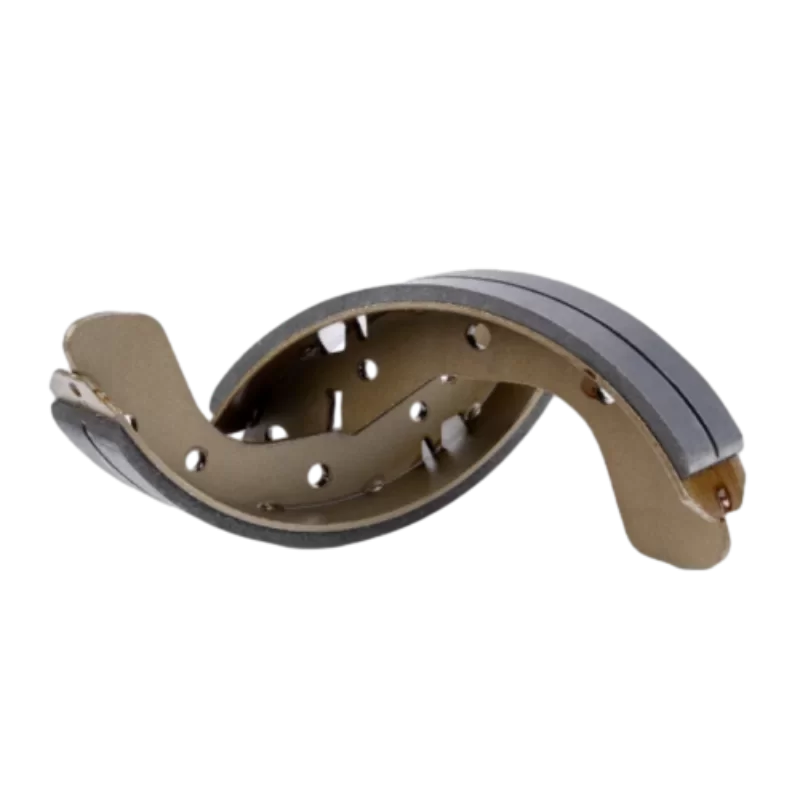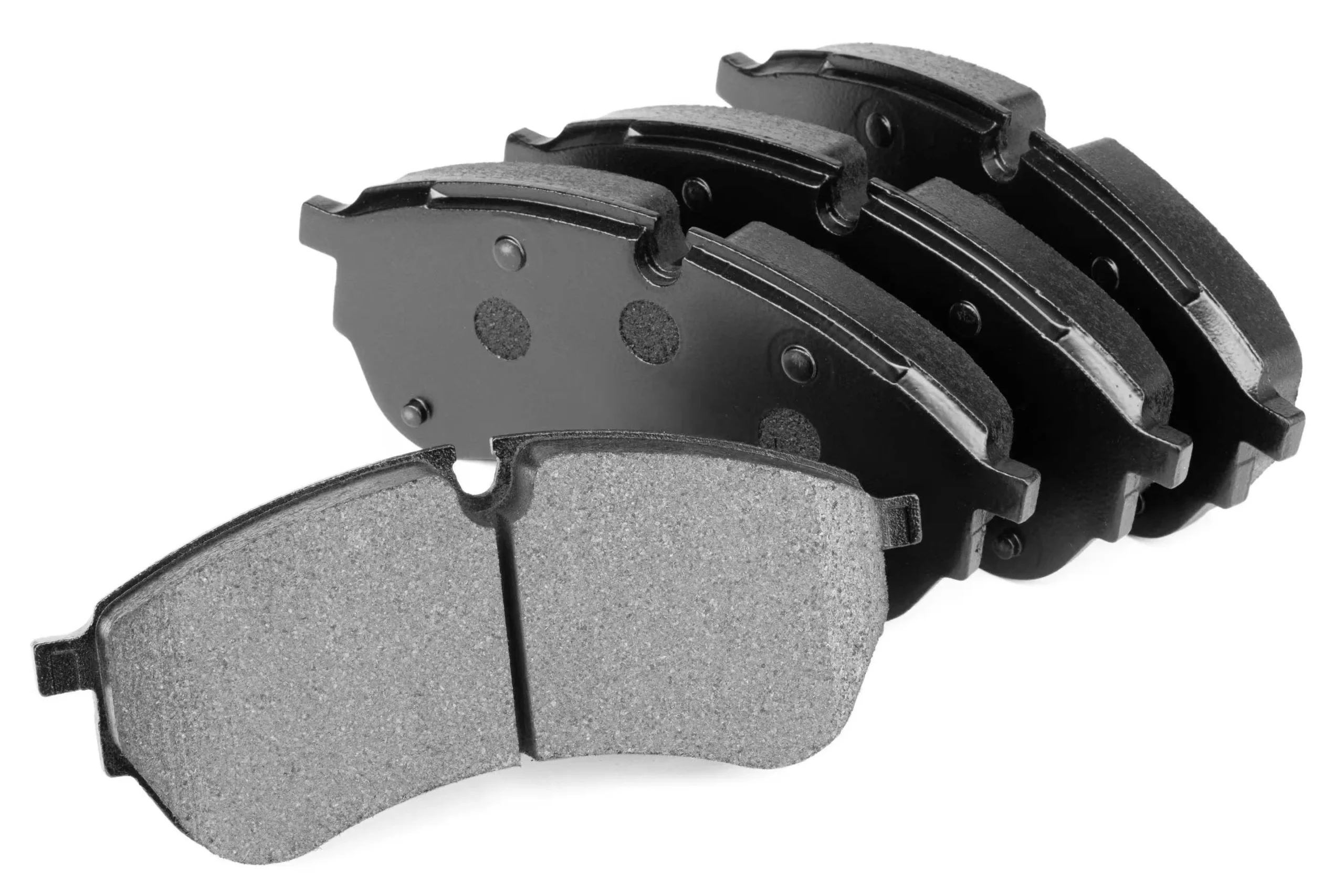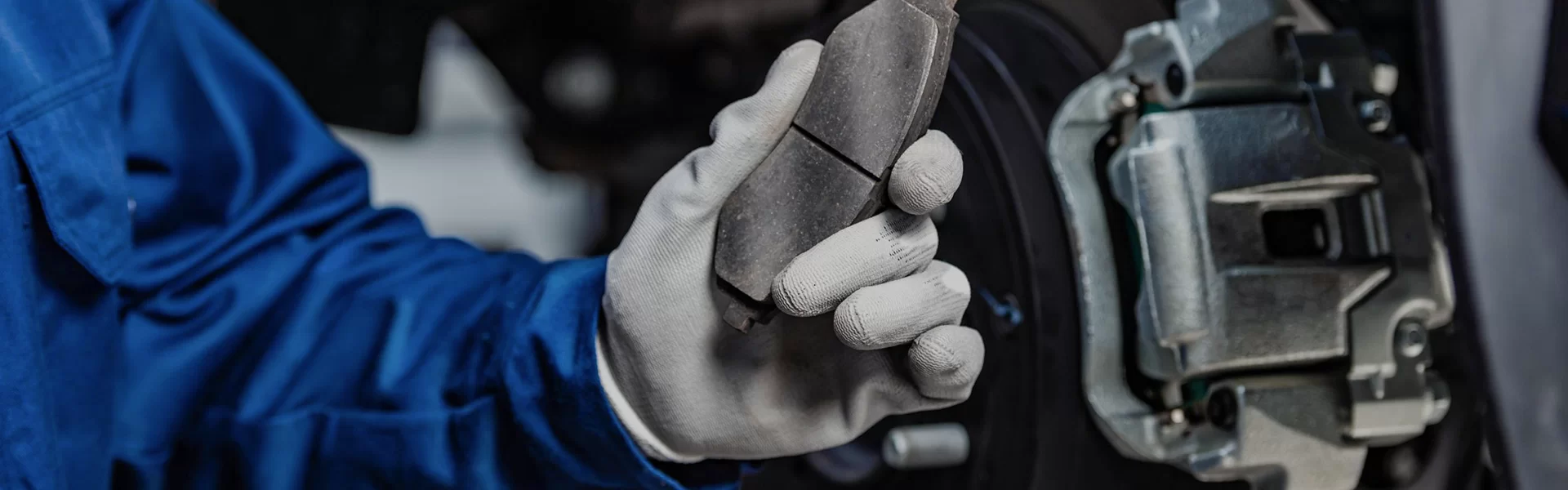
When it comes to vehicle safety, your brakes are arguably the most critical component. Knowing the factors influencing car brake price is crucial for making informed decisions about maintenance and repair. This article breaks down the different types of brakes, the costs associated with each, and how to get the best value for your money. We will explore everything from basic brake pad replacements to complete brake system overhauls. Understanding your options can ensure your safety and save you money in the long run.
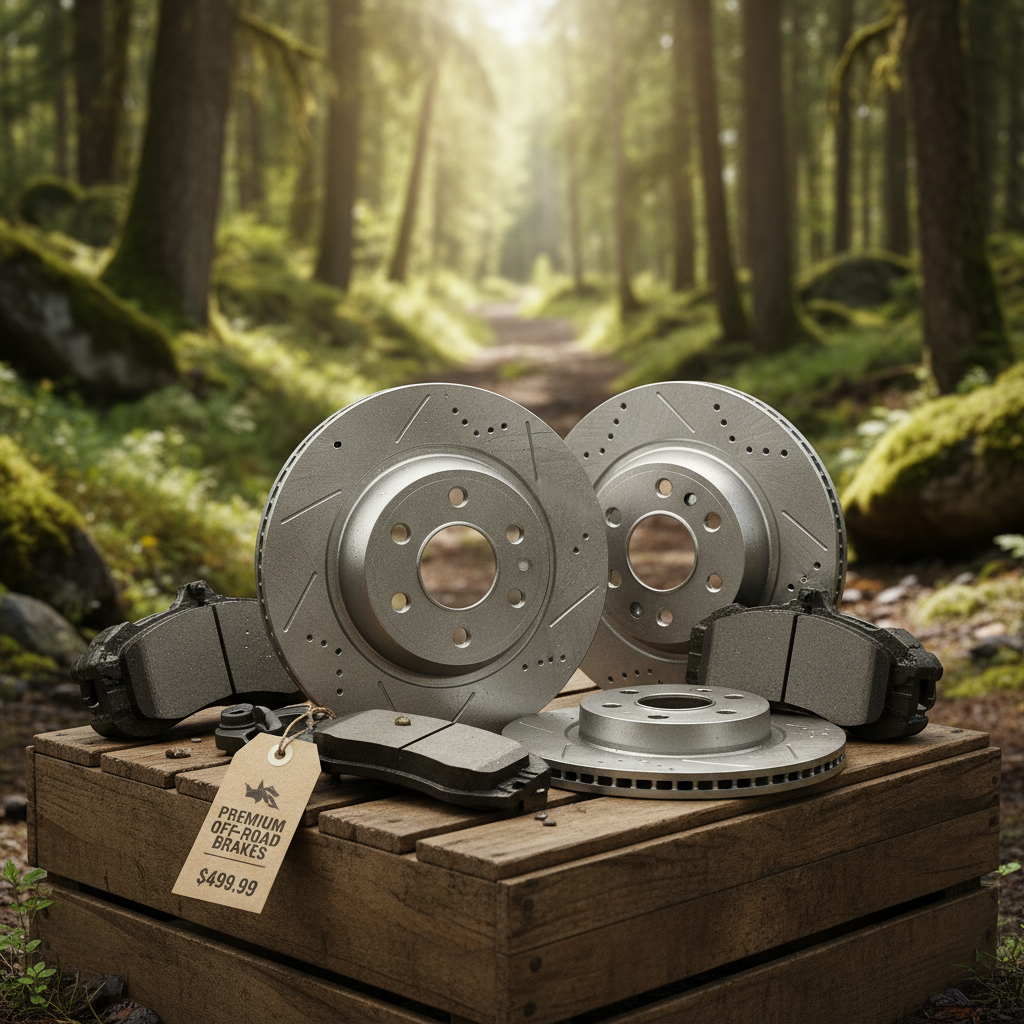
The price of car brakes varies significantly depending on the type of braking system your vehicle utilizes. The most common types include drum brakes, disc brakes, and, increasingly, anti-lock braking systems (ABS). Drum brakes are generally the least expensive, while disc brakes offer superior performance and typically come at a higher cost. ABS adds an extra layer of safety and can increase the overall brake system price. Furthermore, the material of the brake pads (organic, semi-metallic, or ceramic) impacts the price and lifespan. Understanding these differences is essential when budgeting for brake work.
Key Takeaway: The type of brake, pad material, and the addition of ABS significantly influence the final cost of brake repairs or replacements.
Several factors contribute to the overall car brake price. Vehicle make and model play a significant role, as luxury or high-performance vehicles often require more expensive parts. Labor costs also vary depending on your location and the mechanic’s expertise. The extent of the work needed – whether it’s just pad replacement or a complete system overhaul – is another key determinant. Finally, opting for original equipment manufacturer (OEM) parts versus aftermarket alternatives impacts the cost. OEM parts are generally more expensive but offer guaranteed compatibility and quality.
The material of your brake pads impacts both performance and price. Organic brake pads are the least expensive but wear out quickly and are less effective in high-temperature situations. Semi-metallic pads offer a good balance of performance and cost, but can be harder on rotors. Ceramic brake pads provide excellent stopping power, are quiet, and produce less dust, but are the most expensive option. Choosing the right pad material depends on your driving style and budget. For everyday driving, semi-metallic or ceramic pads are generally recommended.
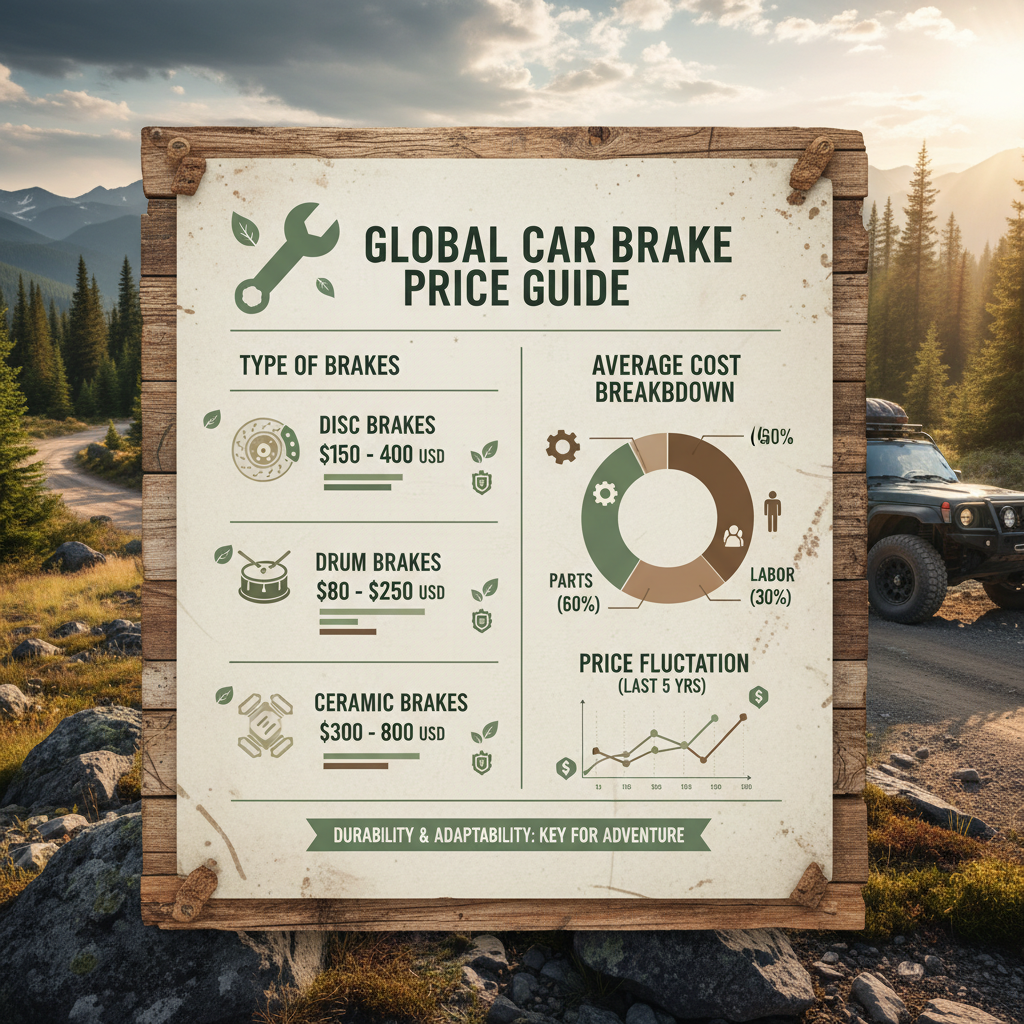
Here’s a breakdown of typical costs for common brake services. Keep in mind these are estimates and can vary.
Typical Brake Service Costs:
• Brake Pad Replacement: $150 - $300 per axle
• Brake Rotor Replacement: $150 - $400 per rotor
• Brake Fluid Flush: $100 - $200
• Complete Brake System Overhaul: $500 - $1000+
To ensure you receive quality brake service at a fair price, it’s important to shop around. Get quotes from multiple mechanics, read online reviews, and ask for recommendations from friends and family. Don't be afraid to ask questions about the parts being used and the scope of the work. KY Brakepad provides high-quality brake pads and components, ensuring optimal performance and reliability. Prioritizing safety and quality over the lowest price can save you money in the long run by preventing premature wear and ensuring your brakes function properly.
Maintaining your car’s brakes is not just about cost; it's about safety. Understanding the different types of brakes, the factors that influence price, and where to find quality service allows you to make informed decisions. By choosing reliable components from reputable suppliers like KY Brakepad and seeking professional maintenance, you can ensure your vehicle's braking system operates safely and efficiently for years to come.
The lifespan of brake pads varies depending on driving habits and conditions. Generally, brake pads should be inspected every 6 months or 6,000 miles and replaced when they reach approximately 3mm of remaining material. Signs that indicate it's time for replacement include squealing or grinding noises, a spongy brake pedal, or a decrease in braking performance. Aggressive driving, frequent stop-and-go traffic, and driving in hilly terrain will wear down brake pads more quickly. Regular inspections are key to preventing damage to rotors and ensuring optimal braking safety.
Brake fluid is hygroscopic, meaning it absorbs moisture from the air over time. This moisture reduces the fluid’s boiling point, which can lead to brake failure, especially during hard braking. A brake fluid flush replaces the old, contaminated fluid with fresh fluid, restoring its effectiveness and preventing corrosion within the brake system. Manufacturers typically recommend a brake fluid flush every 2-3 years, but it’s crucial to follow the recommendations in your vehicle's owner's manual.
While it's possible to replace brake pads yourself, it requires a good understanding of automotive mechanics, the correct tools, and meticulous attention to detail. Improper installation can lead to brake failure and serious safety risks. If you are not experienced with brake repairs, it’s best to leave the job to a qualified mechanic. Properly seating the brake pads, lubricating moving parts, and bleeding the brake system are critical steps that require expertise.
Signs that your rotors need replacing include pulsating or vibrating when braking, deep grooves or scoring on the rotor surface, and warping. If your rotors are excessively worn or damaged, they can compromise braking performance and safety. Mechanics typically measure rotor thickness to determine if they are within acceptable limits. In many cases, rotors can be resurfaced (turned) instead of replaced, but there’s a limit to how much material can be removed without compromising their integrity.