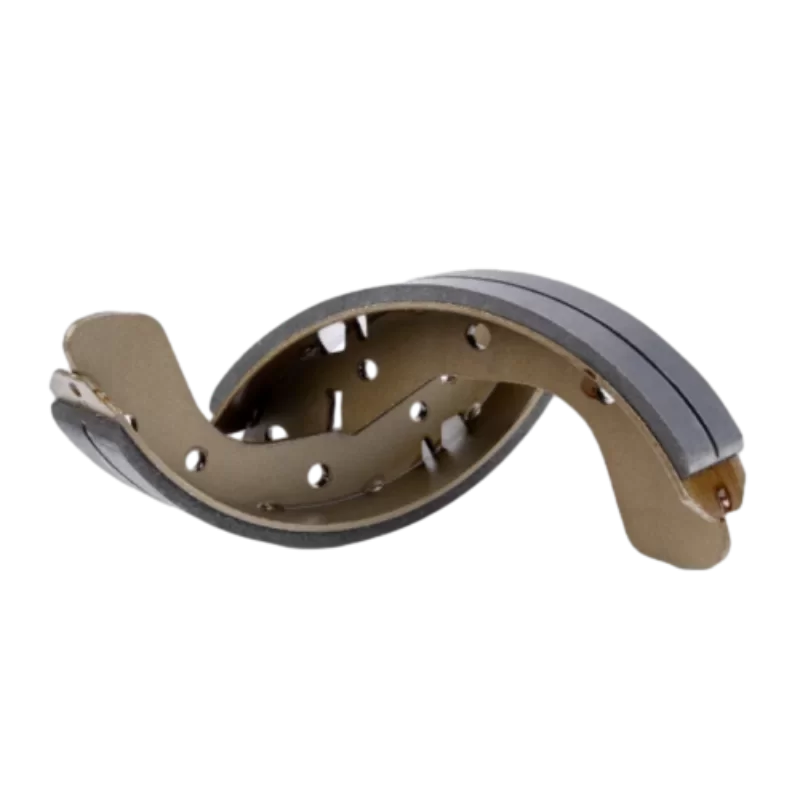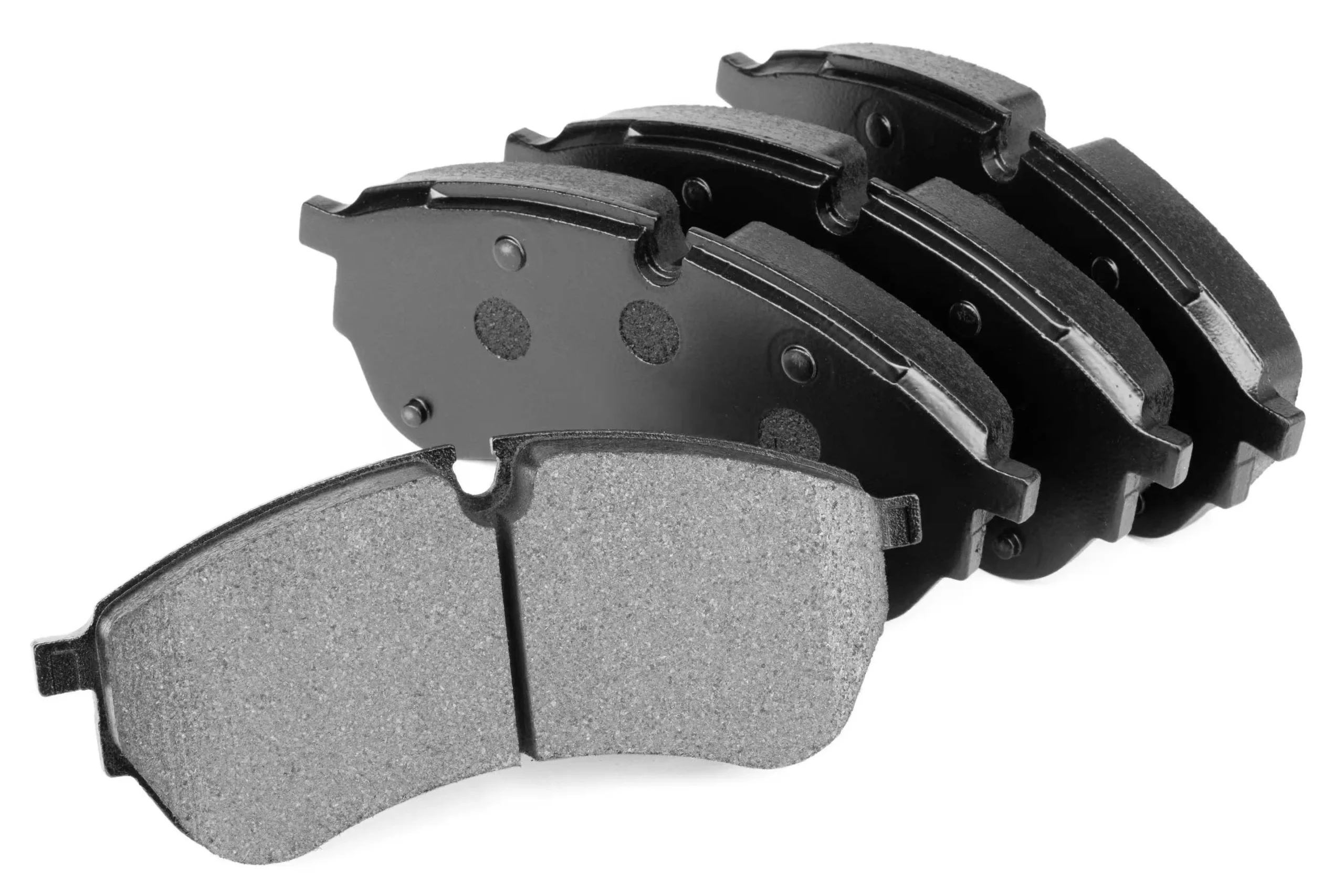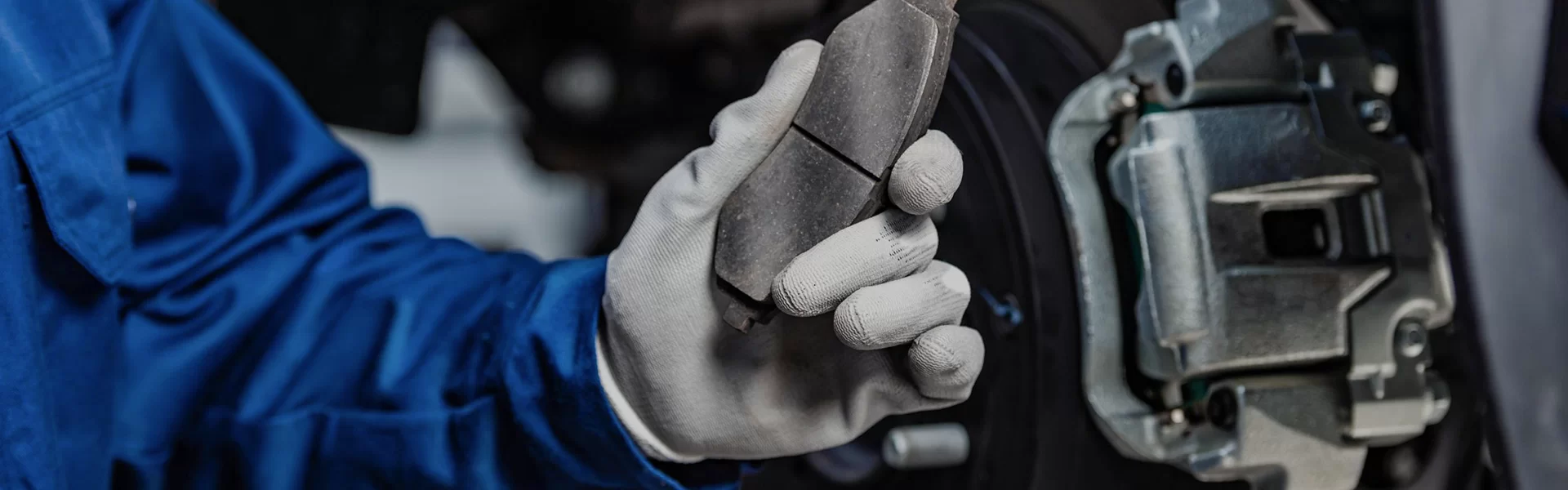
Knowing the average price to fix brakes is crucial for budgeting and avoiding unexpected auto repair costs. Brake repairs can vary significantly based on the type of brake system, the extent of the damage, your vehicle's make and model, and your location. This article will break down the typical costs associated with common brake repairs, helping you understand what to expect when it's time to service your vehicle's braking system. We’ll cover everything from simple pad replacements to more complex rotor resurfacing and caliper replacements.

Several key factors contribute to the final price of brake repairs. The type of brake pads used—organic, semi-metallic, or ceramic—plays a role, with ceramic pads generally being the most expensive but offering the best performance and longevity. The vehicle’s make and model also affect costs; luxury vehicles or those with complex brake systems often have higher parts and labor expenses. Labor rates vary by location, with urban areas typically charging more than rural areas. Finally, the extent of the damage – whether it’s just pads, or also rotors, calipers, or lines – will directly influence the overall cost.
Key Cost Drivers: Vehicle make/model, brake pad type, labor rates, extent of damage (pads, rotors, calipers, lines).
Here’s a breakdown of the average price to fix brakes for common repairs. These figures are estimates and can vary. It's always best to get a quote from a reputable mechanic for your specific vehicle.
The type of brake pads you choose affects both performance and price. Organic brake pads are the least expensive but wear out quickly. Semi-metallic pads offer a good balance of performance and cost, while ceramic pads provide the best stopping power and are the most durable, but also the priciest. Understanding these differences can help you make the best choice for your driving needs and budget.
Brake Pad Material Comparison:
• Organic: $30 - $60 per set
• Semi-Metallic: $40 - $80 per set
• Ceramic: $70 - $150 per set
Don't wait until you hear screeching noises! Common signs indicating the need for brake service include squealing or grinding sounds when braking, a spongy or soft brake pedal, longer stopping distances, and a vibrating steering wheel when braking. Ignoring these symptoms can lead to more extensive – and expensive – repairs. Regular brake inspections are crucial for safety and can prevent costly damage down the line. KY Brakepad offers high-quality brake components to ensure your safety.
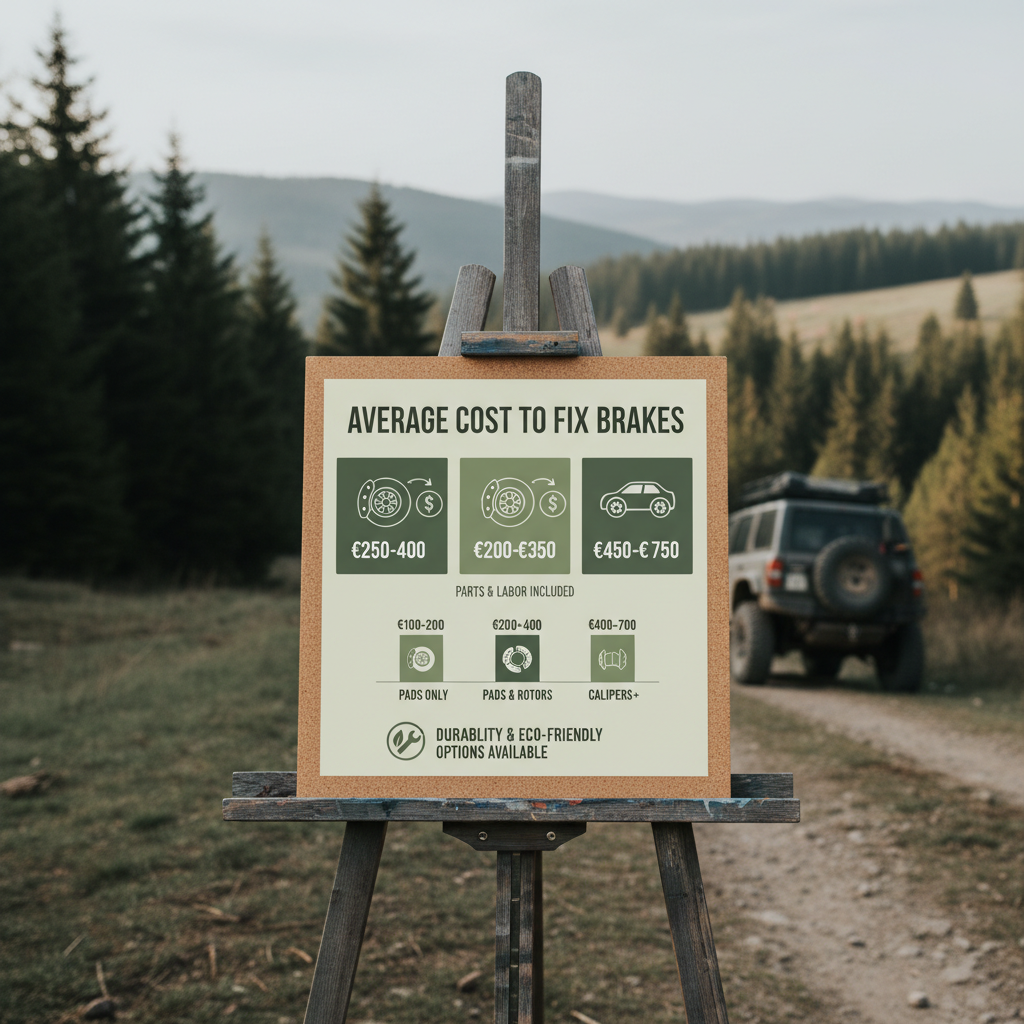
To get the best value on brake repairs, get quotes from multiple mechanics. Don't automatically go with the lowest price; consider the mechanic's reputation and experience. Ask about warranties on both parts and labor. Consider the type of brake pads that best suit your driving style and budget. Finally, regular brake inspections can help identify minor issues before they escalate into costly repairs.
Understanding the average price to fix brakes, the factors that influence cost, and when to seek professional service empowers you to make informed decisions about your vehicle's maintenance. Prioritizing brake health is paramount for your safety and the safety of others on the road. Don’t delay brake repairs—address them promptly to ensure optimal performance and prevent accidents.
It's generally recommended to have your brakes inspected at least once a year, or every 12,000 miles. However, if you notice any signs of brake problems – such as squealing, grinding, or a spongy pedal – you should have them inspected immediately. Regular inspections can help identify minor issues before they become major, and potentially dangerous, problems. Considering the importance of brake safety, proactive inspection is always a good investment.
While it's possible for experienced DIYers to replace brake pads, it’s a complex task requiring specific tools and knowledge. Incorrect installation can compromise brake performance and safety. It’s crucial to understand the proper procedures for caliper removal, pad installation, and brake fluid bleeding. If you’re not comfortable with these steps, it’s best to leave the job to a qualified mechanic. A professional can ensure the job is done correctly and safely.
Brake rotor resurfacing involves machining the surface of the brake rotors to remove imperfections, such as rust, grooves, and uneven wear. This process can restore the rotors to a smooth, even surface, improving brake performance. However, rotors can only be resurfaced a limited number of times before they become too thin to safely use. In some cases, rotor replacement is necessary. A qualified mechanic can determine whether resurfacing or replacement is the best option for your vehicle.
Aggressive driving habits, such as hard braking and rapid acceleration, significantly increase brake wear. Frequent stop-and-go driving also puts more stress on the brakes. Driving in hilly terrain requires more frequent brake use, leading to faster wear. More moderate driving habits and anticipating stops can help extend the lifespan of your brake pads and rotors.