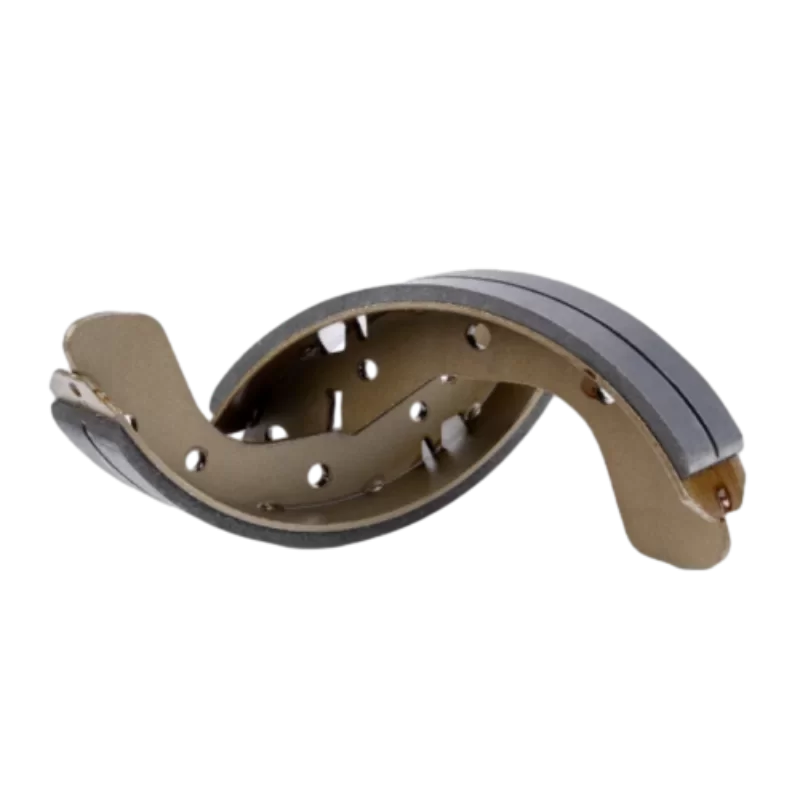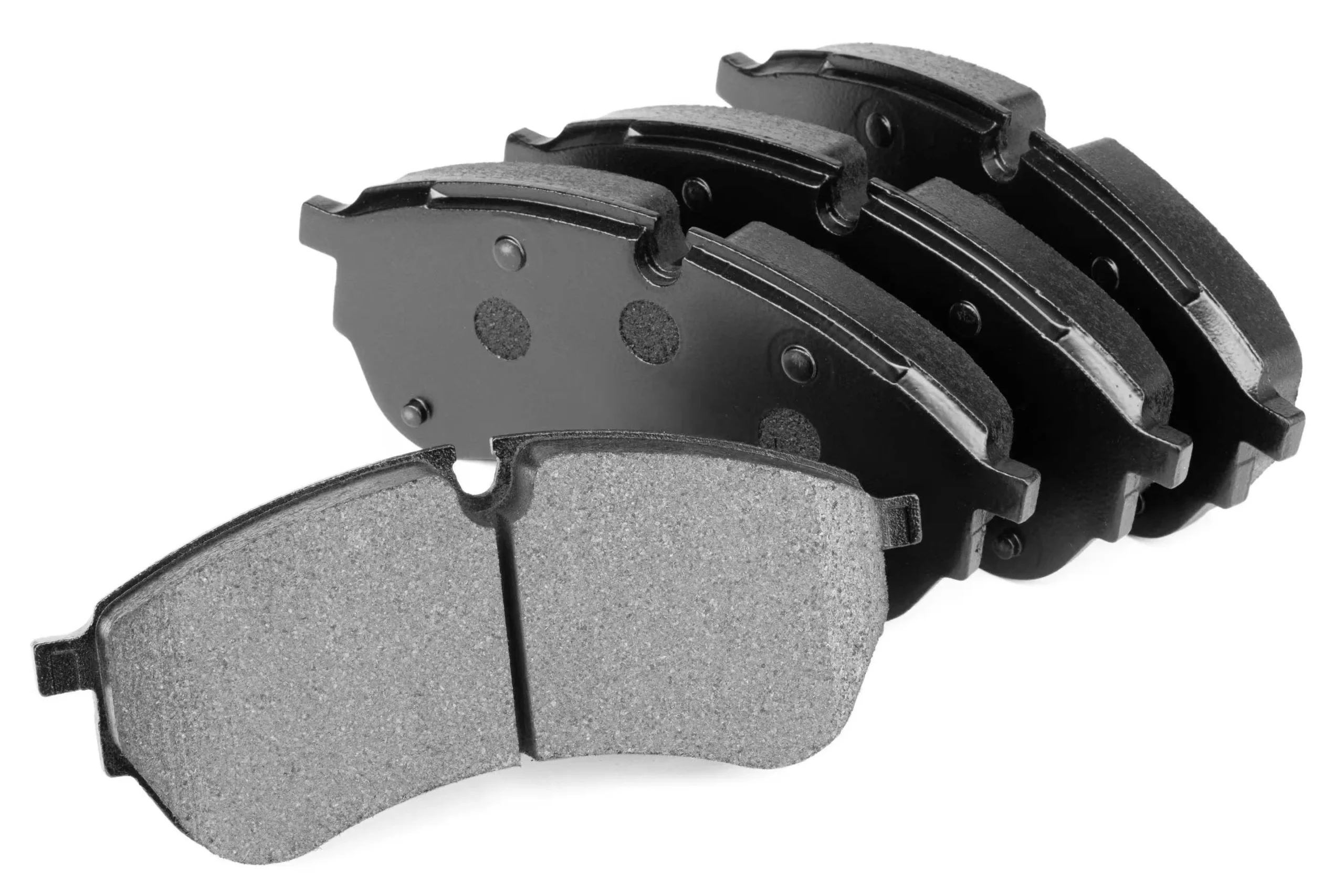
Replacing your rear brakes is a crucial part of vehicle maintenance, ensuring your safety and the longevity of your car. But how much does a rear brake job actually cost? This article will break down the factors influencing the price, provide estimated costs, and offer tips on finding the best deal. We'll also explore the benefits of using high-quality brake pads like those offered by KY Brake Pad.
Several elements contribute to the final cost of a rear brake job. The most significant factors include the type of brake pads used (organic, semi-metallic, or ceramic), the vehicle’s make and model, your geographic location, and whether you choose a dealership, independent mechanic, or attempt a DIY repair. Labor costs also vary considerably. Additionally, if rotors need resurfacing or replacement, this will significantly increase the expense. Understanding these factors will help you budget accurately and make informed decisions.
Key Highlights: The type of brake pads, vehicle model, location, and whether rotors need replacement are key cost determinants.
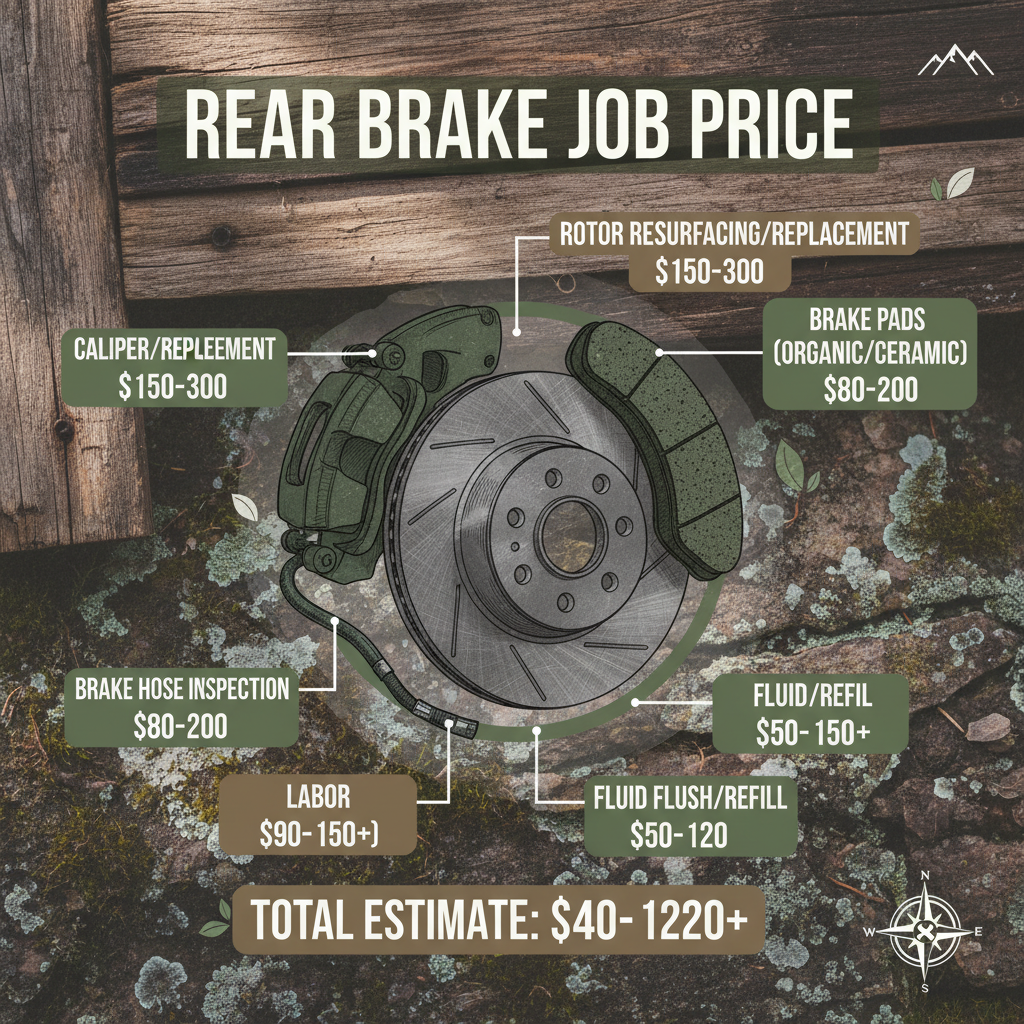
To give you a clearer picture, here's a breakdown of the typical costs associated with a rear brake job. These figures are estimates and can vary. It's always wise to get quotes from multiple mechanics before committing to a service.
The type of brake pad you choose significantly impacts both performance and price. Here’s a comparison:
Brake Pad Types:
• Organic: Least expensive, quietest, but wear quickly.
• Semi-Metallic: Good stopping power, moderate price, more dust.
• Ceramic: Best stopping power, quietest, longest-lasting, most expensive.
Investing in high-quality brake pads, like those available at KY Brake Pad, can save you money in the long run. Our pads are engineered for superior stopping power, reduced wear and tear, and minimal noise. They are manufactured to meet or exceed OEM specifications. While the initial cost might be slightly higher, the extended lifespan and improved performance offer significant value. We offer a wide selection of brake pads for various makes and models.

Here are some tips to help you get the best possible price on your rear brake job:
Understanding the factors that influence the rear brake job price is crucial for making informed decisions. By getting quotes, choosing the right brake pads, and considering your options, you can ensure your vehicle's safety without breaking the bank. Remember, investing in quality brake components is an investment in your safety and peace of mind.
The lifespan of your rear brake pads depends on your driving habits, the type of pads you have, and the conditions you drive in. Generally, rear brake pads last longer than front pads because they don’t bear as much of the braking load. However, it’s recommended to inspect them every 6-12 months, or every 5,000-10,000 miles. Look for signs of wear, such as thinning pad material or squealing noises. If you notice any of these signs, it’s time for a replacement. If you drive frequently in stop-and-go traffic or tow heavy loads, you’ll likely need to replace them more often.
It depends on the condition of your rotors. If the rotors are still within the manufacturer’s specifications for thickness and have no significant grooves or warping, you may be able to get away with just replacing the brake pads. However, if the rotors are worn, warped, or severely grooved, it's best to replace them along with the pads to ensure optimal braking performance and prevent damage to the new pads. Resurfacing is an option if the rotor has enough material left, but often, replacement is more cost-effective and provides better results.
Several signs indicate your rear brakes may need attention. These include squealing or grinding noises when braking, a pulsating sensation in the brake pedal, reduced braking performance, a brake warning light on your dashboard, or a noticeable decrease in brake pad thickness. If you experience any of these symptoms, it’s important to have your brakes inspected by a qualified mechanic as soon as possible.
Generally, independent mechanics are less expensive than dealerships for brake jobs. Dealerships typically have higher overhead costs, which are reflected in their labor rates. However, dealerships may offer advantages such as a more thorough inspection and the use of genuine OEM parts. It’s best to get quotes from both a dealership and an independent mechanic to compare prices and services before making a decision.