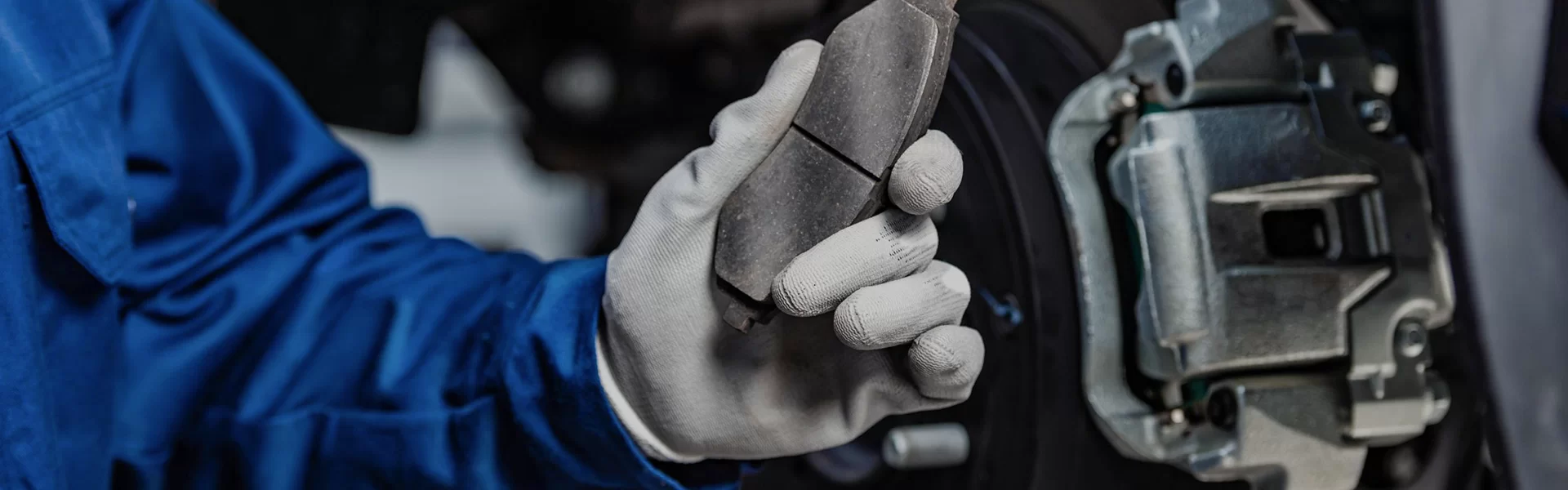
Understanding the average price of brakes is crucial for vehicle owners, as brake maintenance is fundamental to safety and performance. The cost can vary significantly based on several factors, including vehicle make and model, brake type, and whether you opt for DIY installation or professional service. This article will provide a detailed breakdown of brake costs, helping you budget for this essential maintenance. From basic brake pad replacements to complete rotor and caliper replacements, we’ll cover the price ranges you can expect.
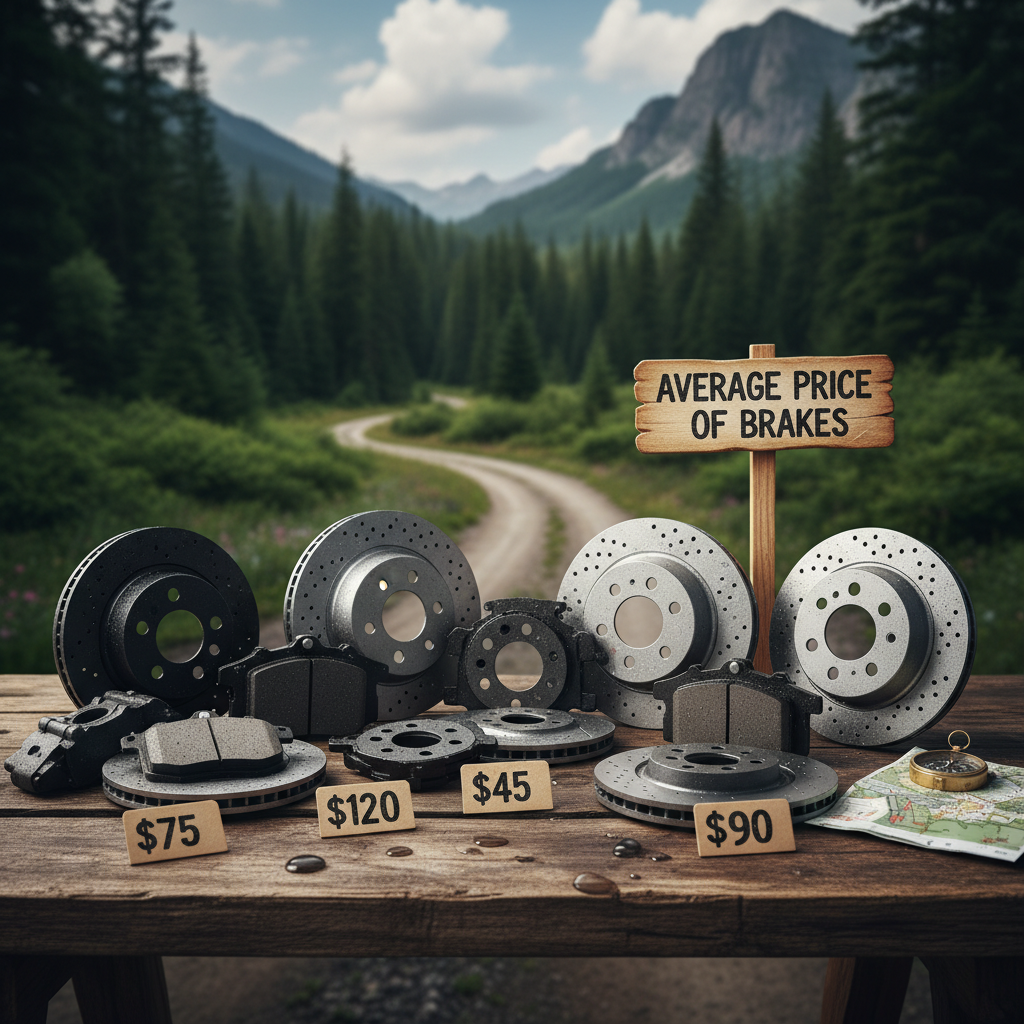
Several elements contribute to the final price of brake services. Vehicle type plays a major role; luxury cars and SUVs typically have more expensive brake components than compact cars. The type of brake pads (organic, semi-metallic, or ceramic) also impacts the price, with ceramic pads generally being the most expensive but offering superior performance and longevity. Labor costs, which vary by location and mechanic, are another significant factor. Finally, the extent of the damage or wear and tear – whether it's a simple pad replacement or a complete brake system overhaul – will drastically alter the overall cost. If you're looking for high-quality brake pads, consider exploring options at KY Brake Pad.
Key Highlights: Brake costs are influenced by vehicle type, pad material, labor rates, and the scope of work. Planning for regular brake maintenance can prevent more expensive repairs down the line.
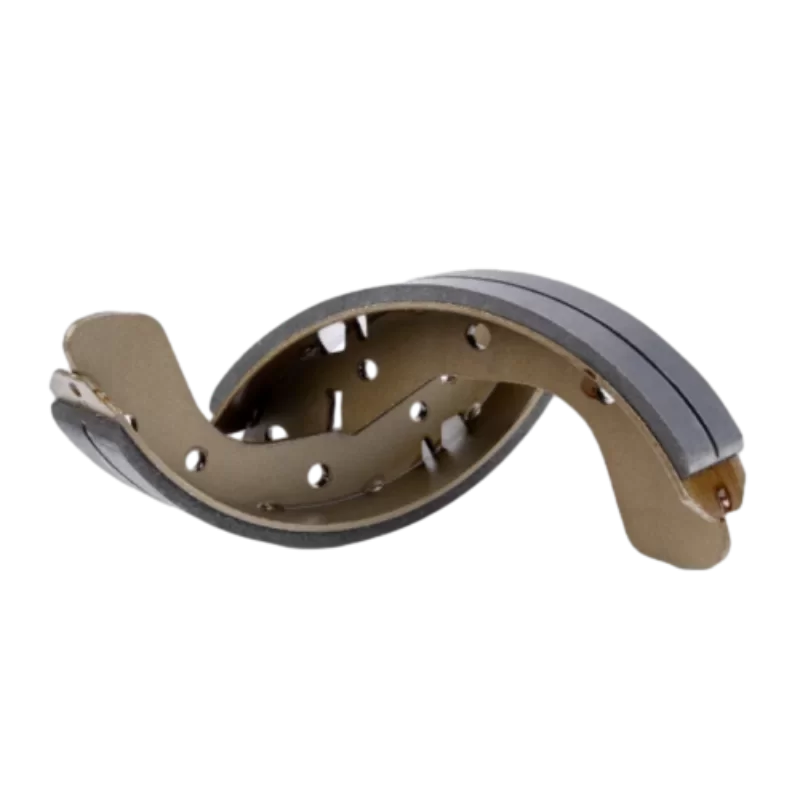
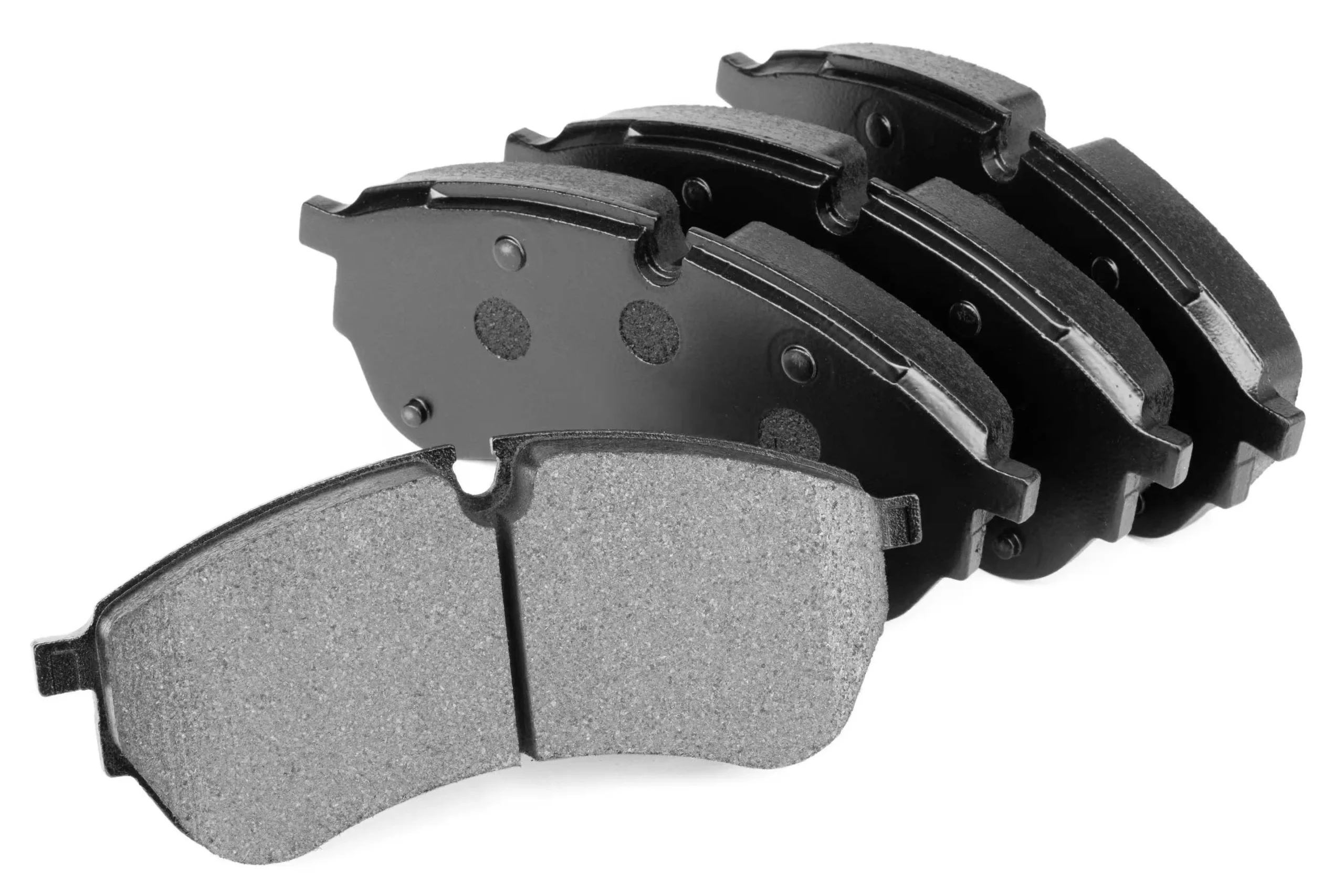
The most common brake service is pad replacement. Generally, you can expect to pay between $150 and $300 per axle (front or rear) for brake pad replacement. This includes the cost of the brake pads themselves and labor. Higher-end ceramic pads will typically add $50-$100 to the cost per axle. DIY installation can save on labor costs, but requires mechanical knowledge and the right tools. For dependable and affordable brake pads, KY Brake Pad's selection provides excellent value.
Brake Pad Material Costs:
• Organic: $30 - $70 per axle
• Semi-Metallic: $50 - $100 per axle
• Ceramic: $100 - $150+ per axle
When rotors are worn or damaged, they must be resurfaced or replaced along with the brake pads. Replacing both rotors and pads typically costs between $300 and $500 per axle. The cost of rotors varies depending on vehicle and quality. High-performance or drilled/slotted rotors can significantly increase the price. It's important to address rotor issues promptly, as they directly affect braking performance and safety. Investing in quality rotors from a reputable supplier like KY Brake Pad can ensure long-lasting reliability.
Beyond the core components, several additional costs can arise. Brake fluid flushes are recommended every 2-3 years and typically cost between $100 and $150. If calipers are seized or damaged, they'll need replacement, adding $400 to $800 per caliper. Wheel bearing issues, sometimes detected during brake service, can add another $300-$600 per wheel. Diagnostic fees may also apply if the root cause of brake problems is unclear. It is always wise to get a detailed estimate from a trusted mechanic before authorizing any repairs. Don’t hesitate to explore options at KY Brake Pad for reliable components at competitive prices.
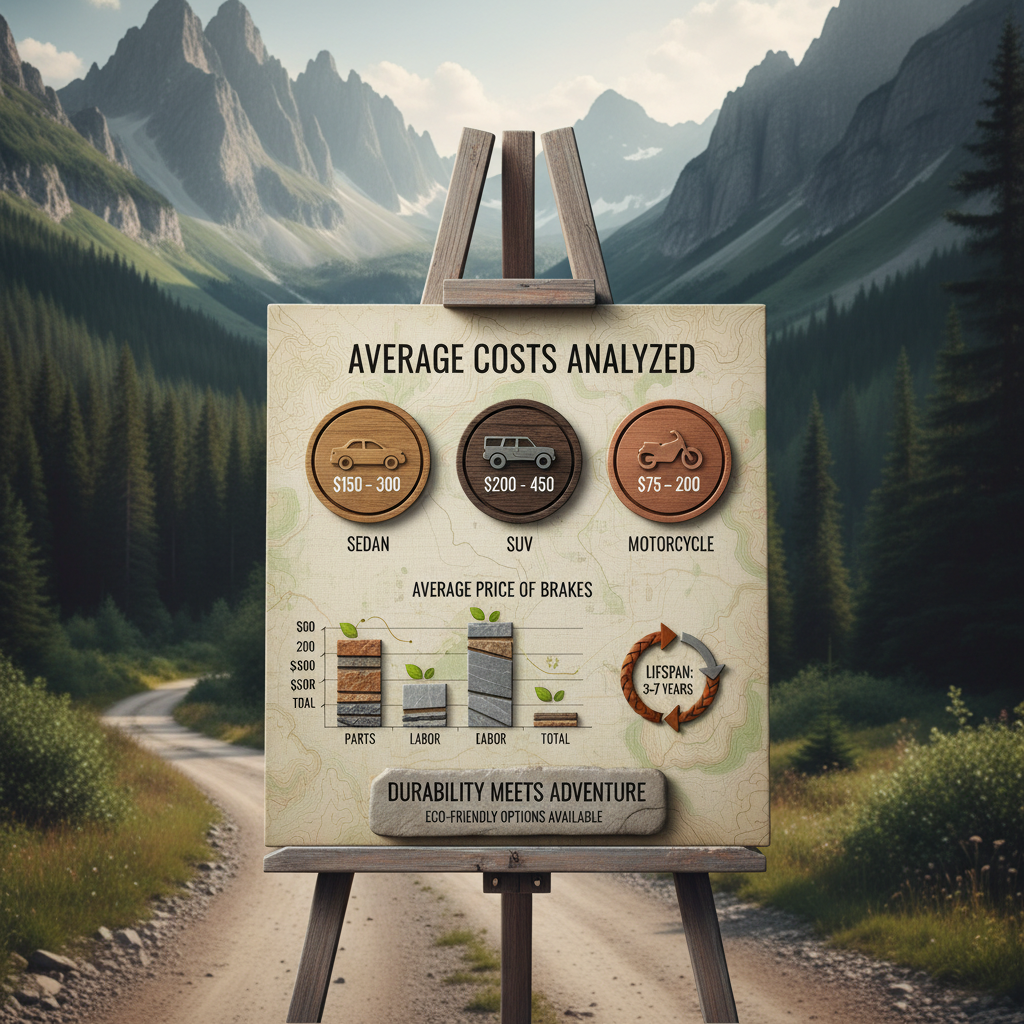
Regular brake inspections can help identify minor issues before they become major, expensive repairs. Consider getting quotes from multiple mechanics to compare prices. DIY brake pad replacement can save on labor costs if you have the skills and tools. Choose quality brake pads that offer good value and longevity. Finally, avoid aggressive braking, which can accelerate brake wear.
Maintaining your vehicle's brakes is an investment in safety and reliability. Understanding the average price of brakes and the factors that influence it allows you to budget effectively and make informed decisions. Prioritize regular inspections and choose quality components like those offered by KY Brake Pad to ensure optimal braking performance and a safe driving experience.
Brake pad replacement frequency varies depending on driving habits and conditions. Generally, brake pads last between 25,000 and 70,000 miles. However, aggressive braking, frequent stop-and-go driving, and harsh weather conditions can shorten their lifespan. Regular inspections are crucial to monitor pad thickness. A good rule of thumb is to have your brakes inspected at least once a year or every 10,000 miles.
Several signs indicate you may need new brakes. These include squealing or grinding noises when braking, a soft or spongy brake pedal, reduced braking performance, the vehicle pulling to one side during braking, or a brake warning light illuminating on the dashboard. If you experience any of these symptoms, it's essential to have your brakes inspected immediately. Ignoring these signs can compromise your safety and lead to more expensive repairs.
Yes, brake pad replacement can be a DIY project for those with mechanical experience and the right tools. However, it's crucial to follow proper procedures and safety precautions. Incorrect installation can lead to brake failure. If you’re unsure about any step, it's best to leave the job to a qualified mechanic. You can find high-quality brake pads and components at KY Brake Pad to ensure a successful repair.
Organic brake pads are the least expensive but wear quickly and produce more dust. Semi-metallic pads offer a good balance of performance and cost, but can be noisy and abrasive to rotors. Ceramic brake pads are the most expensive but provide superior stopping power, are quiet, and produce less dust. The best choice depends on your driving style and budget.