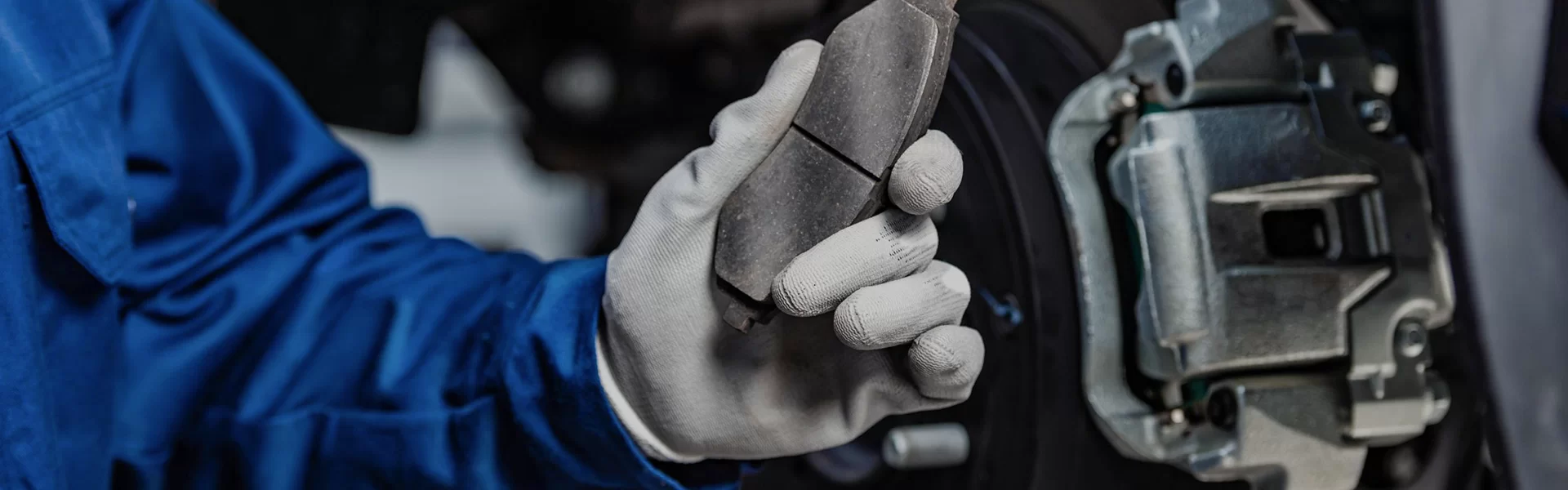
Having spent quite a few years navigating the industrial equipment corridors, I can say that brake lining factory environments always fascinated me. Oddly enough, these places blend raw mechanical grit with a surprising dash of chemistry and precision engineering. You don’t just get brake pads; you get pieces of engineering history that must perform reliably, day in and day out, at speeds and pressures few of us usually consider.
Brake lining, for many industries—from commercial trucks to heavy machinery—is a quiet hero. Without well-made linings, braking systems would compromise safety and efficiency. When I first toured a brake lining factory, I noticed the air was filled with a mix of resin odors and metal dust. It felt like being inside a workshop powered by tradition and innovation simultaneously.
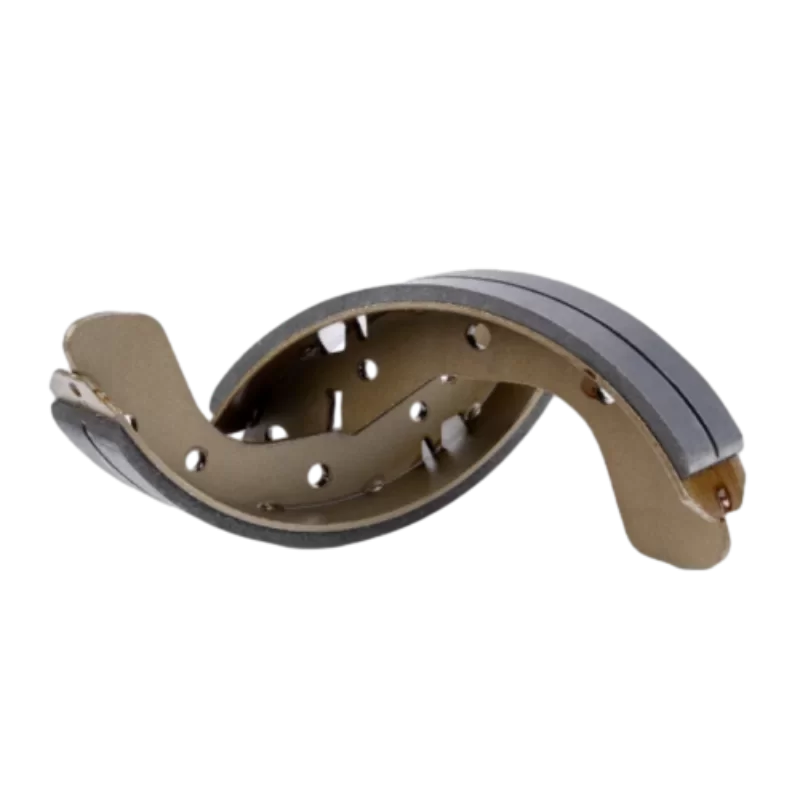
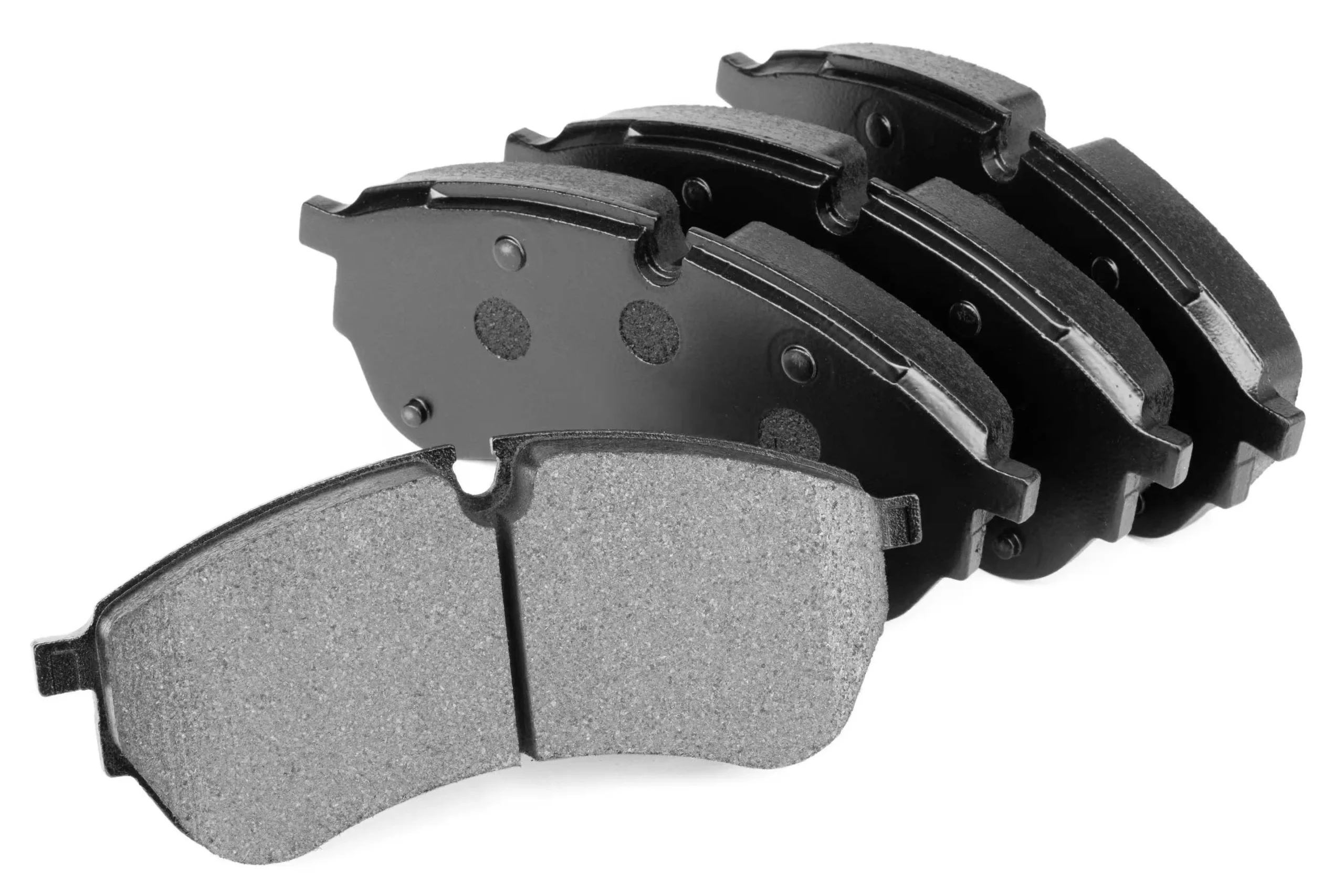
At their core, brake linings are friction materials bonded to metal backing plates. What makes a good lining isn’t just durability but how consistently it behaves under extreme conditions. Manufacturers typically use organic compounds, semi-metallic blends, or even ceramic-infused materials. Many engineers I’ve met insist that formulation and testing protocols make all the difference.
| Specification | Value / Range |
|---|---|
| Material Composition | Semi-metallic / Organic / Ceramic |
| Friction Coefficient | 0.35 – 0.45 (varies by type) |
| Operating Temperature | -40°C to 450°C |
| Wear Resistance | High, dependent on formula |
| Backing Plate Type | Steel (various grades) |
Testing is a huge deal. I recall one engineer telling me that even after the linings appear “ready,” they undergo rigorous dynamometer testing to simulate real-road stress. Without this step, it’s all guesswork. Frankly, that quality control has saved lives and kept fleets rolling smoothly.
Brake lining factories aren’t stuck in old ways either. I’ve witnessed factories tailoring linings to customer specifications: from different thicknesses and shapes to noise reduction features. Some factories integrate thermal sensors or special coatings to improve performance. Innovation in such a traditional industry is subtle but very real.
One slightly amusing story from the field: a company we worked with once asked for a lining that could withstand extreme marine conditions. The factory ended up using special resin compounds that resisted saltwater corrosion—showing that even something as “basic” as brake linings can be highly specialized.
| Vendor | Material Variety | Customization | Lead Time | Price Range |
|---|---|---|---|---|
| Ky Brake Pad | Extensive (Semi-metallic, Organic, Ceramic) | High – Tailored to specs | 2–4 weeks | Mid-Range |
| Vendor A | Limited (Mostly Semi-metallic) | Low | 4–6 weeks | Budget |
| Vendor B | Moderate (Organic & Ceramic) | Medium | 3–5 weeks | Premium |
Ky Brake Pad’s factory experience stands out because of their rigorous R&D investment and flexibility. Many customers tell me their responsiveness and quality are unmatched — which is no small feat in such a demanding market.
So if you’re hunting for brake lining expertise, either for fleet maintenance or industrial applications, it really pays to know what you’re buying. The right brake lining factory not only delivers performance but also reliability and peace of mind.
In a world full of fast replacements, these linings remind me that sometimes craftsmanship and precision still rule the day.
To sum it up: quality brake linings come from factories that know both their materials and their machines well — and that’s something you can’t rush.
References:
1. Industry testing standards from SAE International.
2. Materials Science for Friction Materials, ASM International.
3. Factory tour notes and interviews with industry engineers (2019-2023).