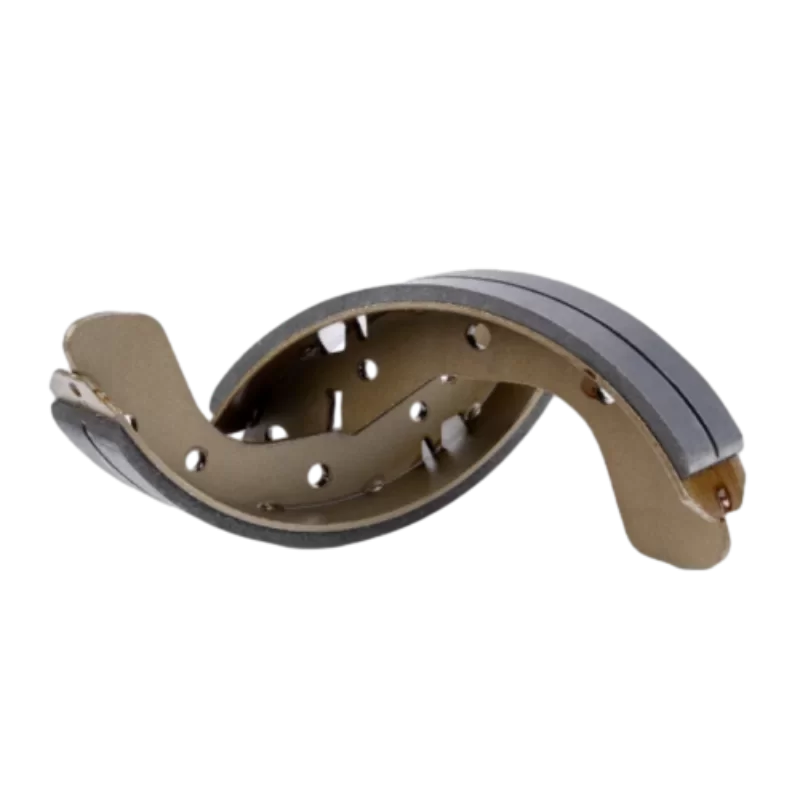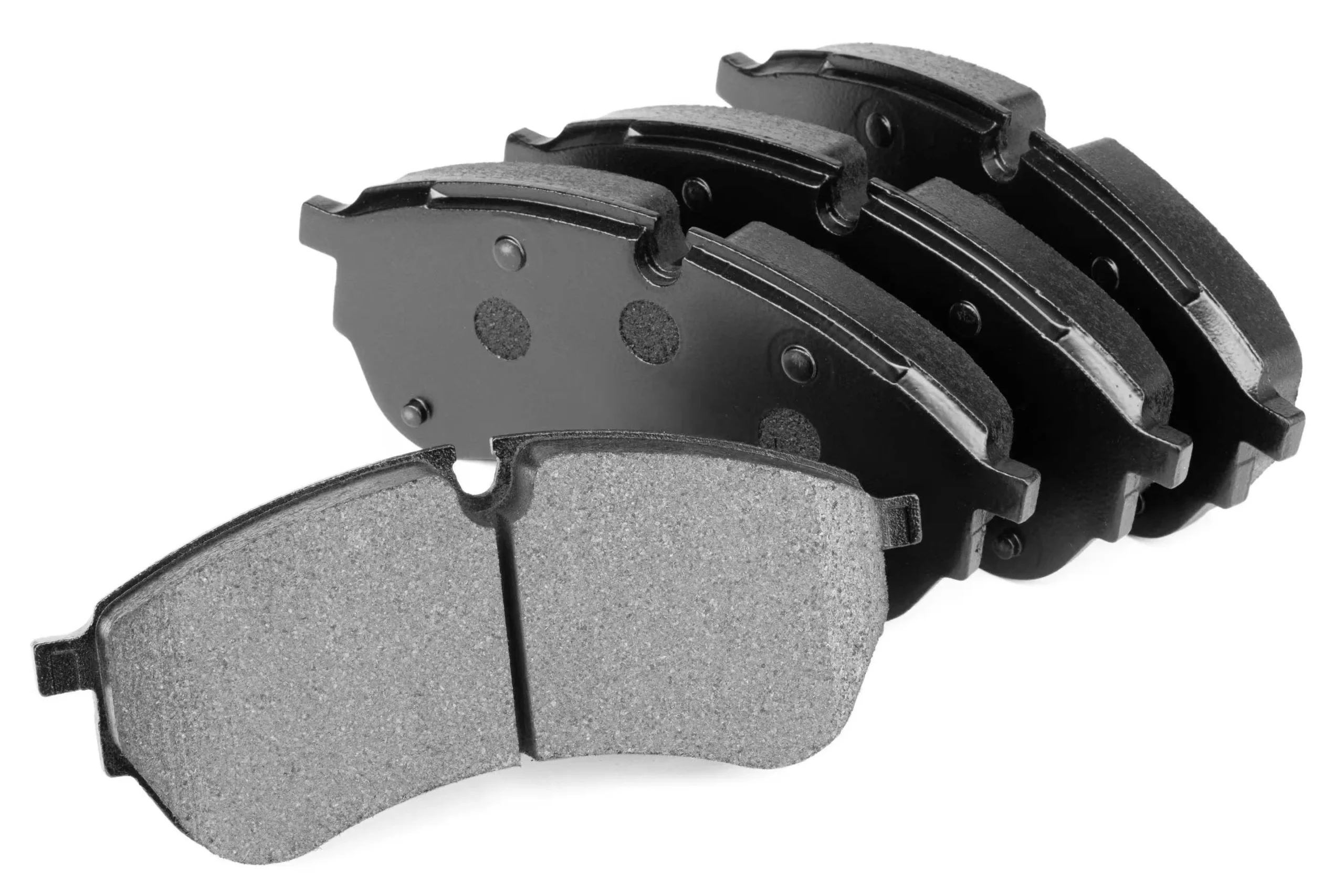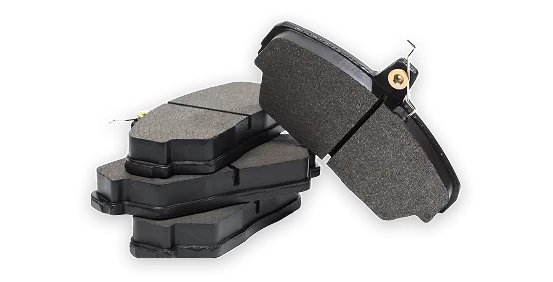
Having spent quite a few years in the industrial equipment sector, there's something genuinely fascinating about visiting a brake pads factory. It’s not just about the raw materials or the assembly lines—though those are crucial—it’s the attention to detail, the relentless pursuit of safety, and frankly, how small variations can mean the difference between smooth stops and costly recalls.
Brake pads don’t get the glam treatment everywhere, but inside these factories, they’re treated like tiny champions. You see, the design and materials used (usually semi-metallic, ceramic, or organic composites) affect not just performance and wear but how quietly and cleanly they operate. In real terms, this means less noise, longer life, and safer braking under all those unpredictable conditions you encounter on a vehicle.
I remember an older colleague once saying, “If a brake pad squeals, it’s crying for attention.” That stuck with me because many engineers stress that the testing phase in these plants transcends basic quality checks — they simulate everything from high-speed deceleration to cold-weather stops. Each batch undergoes rigorous dynamometer tests alongside visual inspections, which is both science and a bit of craft.
| Specification | Details |
|---|---|
| Material Composition | Semi-metallic / Ceramic / Organic |
| Coefficient of Friction | 0.4 – 0.6 (varies by model) |
| Operating Temperature | -40°C to 650°C |
| Thickness | 8 – 20 mm depending on vehicle type |
| Wear Indicator | Included on most OEM models |
Oddly enough, even with so much technology involved, the human factor remains vital. Operators visually confirm the integrity of the friction material, and engineers constantly tweak the formulations to meet evolving emissions regulations and customer comfort standards. Not to mention the increasing push for eco-friendly materials that don’t sacrifice performance.
Now, when you're choosing a supplier—a “brake pads factory,” if you will—you’re looking beyond the specs. Reliability, scalability, and customization options play a massive role. Here’s a quick comparison I’ve seen unfold in the market over the last few years:
| Vendor | Material Range | Customization | Testing Facilities | Lead Time |
|---|---|---|---|---|
| KY Brakepad | Semi-metallic, Ceramic, Organic | High (OEM specs & OEM quality) | Full in-house dynamometer & performance lab | 4–6 weeks |
| Vendor B | Mostly semi-metallic | Moderate (standard product lines) | Limited external testing only | 6–8 weeks |
| Vendor C | Organic and ceramic blends | Low (mainly aftermarket focus) | No dedicated testing lab | 3–5 weeks |
One interesting piece I learned on the floor: KY Brakepad’s expertise shows in how quickly they adapt and innovate. For instance, a client in the heavy truck segment needed a quieter, longer-lasting pad to address driver comfort complaints — KY introduced a ceramic composite variant with a self-adjusting shim system that really cut down vibration. The client was thrilled, of course.
So, if you’re weighing your options or just curious how those small, durable brake pads get made, I suppose it boils down to this: understanding the blend of materials, testing rigor, and the factory’s flexibility to meet complex requirements makes all the difference. Safety is non-negotiable, but comfort and durability often get forgotten, which is a shame because that’s what drivers notice daily.
Honestly, the next time you see a vehicle slowing down smoothly and silently, remember the humble brake pad factory somewhere poured hours of expertise into that little chunk of composite material—it’s kind of remarkable.
— A small nod to the unsung heroes behind every safe stop.
Reflections: