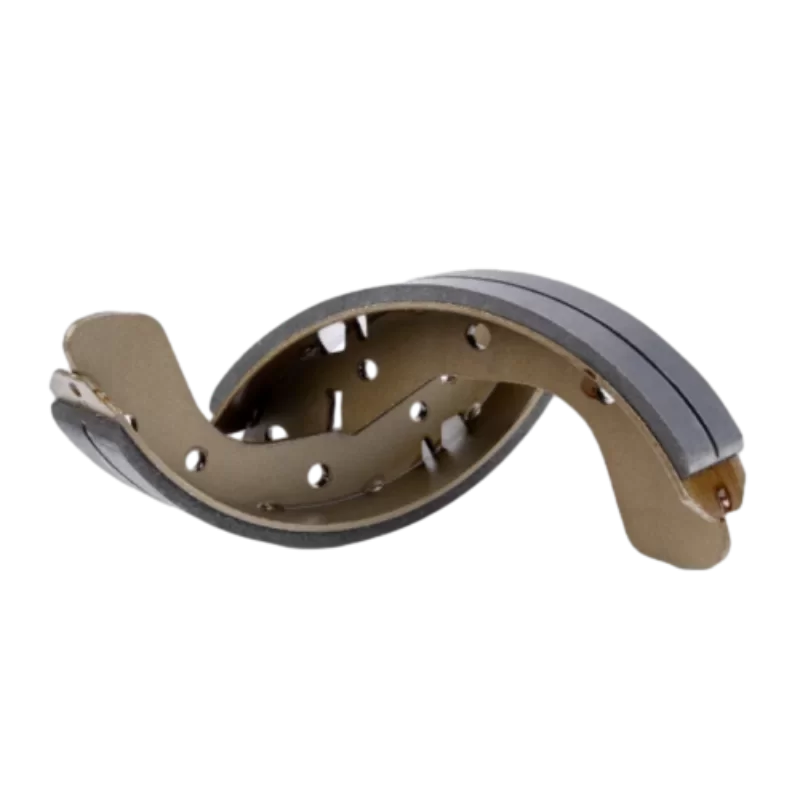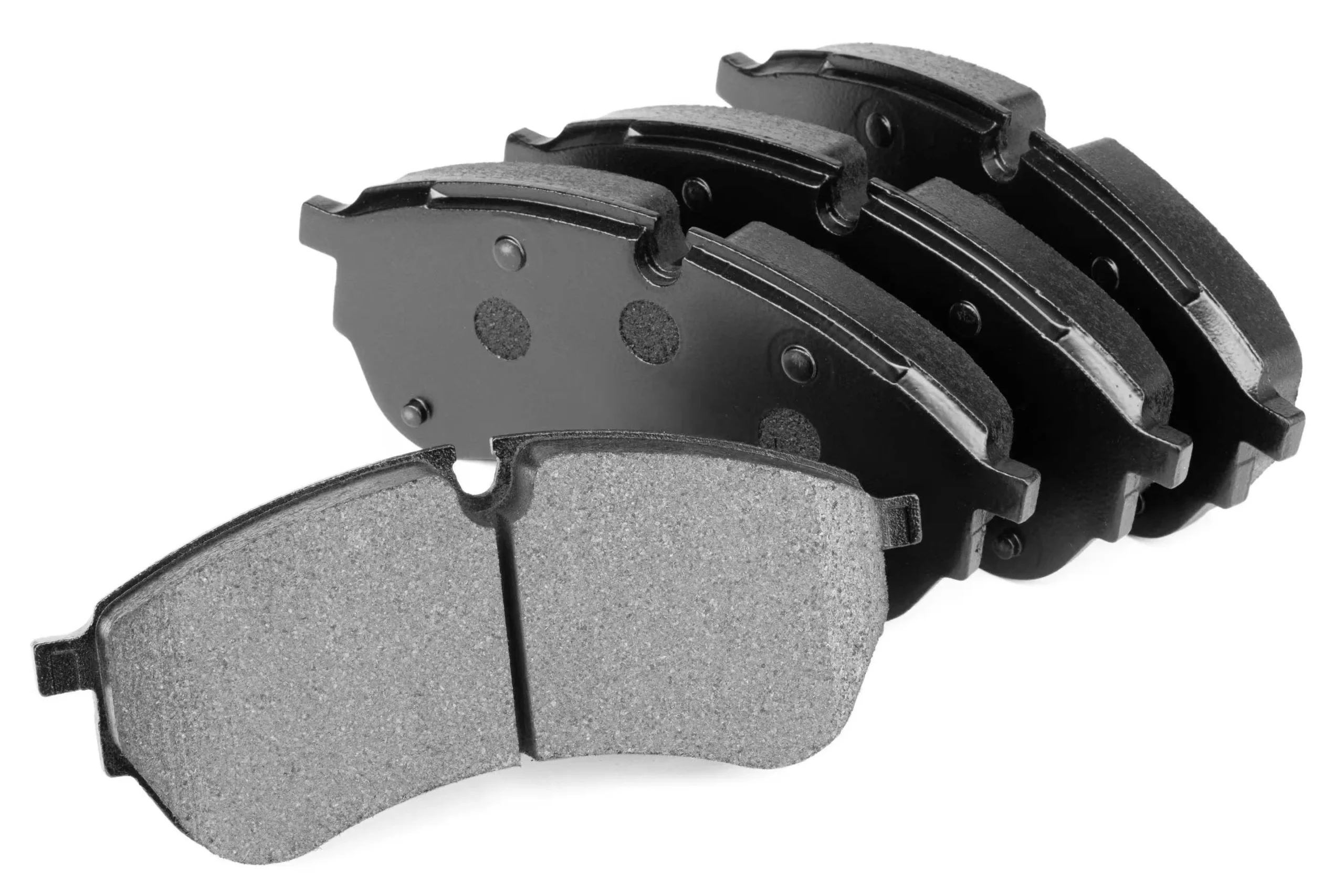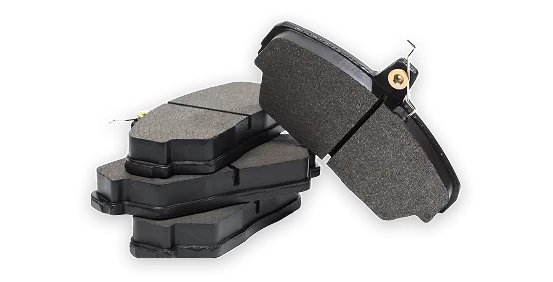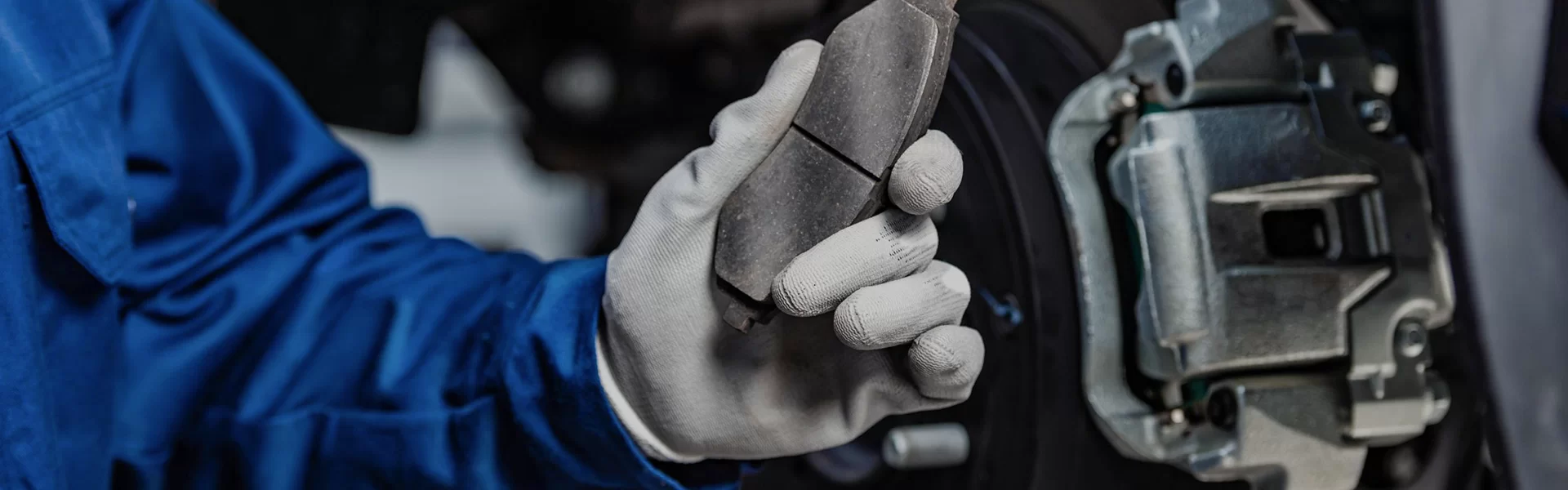
Having spent well over a decade in the industrial equipment sector, I’ve seen how brake blocks quietly but crucially keep everything—from heavy-duty cranes to mining machinery—operating safely and smoothly. Oddly enough, these components don’t always get the spotlight they deserve. So today, I want to unpack a bit about brake block manufacturers: who they are, what makes their products tick, and why picking the right supplier matters.
Brake blocks, in simple terms, absorb and dissipate the kinetic energy generated during braking. The material’s composition, durability, and consistency? Game changers. Frankly, you can’t just grab any off-the-shelf product and expect it to perform flawlessly under harsh industrial conditions.
One thing I've noticed over the years is how manufacturers vary widely in terms of product customization and material innovation. Some companies lean towards traditional asbestos-free composites; others push the envelope with high-performance synthetic blends designed to withstand extreme temperatures and abrasion. In real terms, this means a brake block that can last longer, reduce dust, and ultimately save maintenance time.
Take Ky Brake Pad, for example. Their approach combines rigorous R&D with hands-on testing. I remember visiting their plant a few years back: the quality control there felt almost obsessive—but in a good way. Every batch undergoes thermal resistance tests and real-world wear simulations, which helps cut downtime for users. This kind of dedication feels rare but makes all the difference.
In fact, I recall a mining client who switched from a no-name supplier to a bespoke brake block from a reputable manufacturer. The result? Their equipment downtime dropped by nearly 30%. Not just about longevity, but how these blocks behave under load and consistent braking cycles—that's where engineering really shows up.
| Specification | Typical Range/Value | Notes |
|---|---|---|
| Material Composition | Non-asbestos organic (NAO), semi-metallic, ceramic | Material affects heat dissipation & wear rate |
| Operating Temperature | Up to 600°C (depends on material) | High-temp resistance critical for heavy use |
| Friction Coefficient | 0.35 – 0.45 (varies with speed & load) | Stable friction equals consistent braking |
| Durability (Wear Rate) | 0.3 – 0.8 mm / 1000 cycles | Lower is better; affects maintenance intervals |
| Customization | Yes (sizes, shapes, materials) | Critical for OEM & retrofit applications |
| Manufacturer | Material Options | Customization | Typical Industries | Lead Time |
|---|---|---|---|---|
| Ky Brake Pad | NAO, Semi-metallic, Ceramic | High (custom shapes & blends) | Mining, Construction, Logistics | 4–6 weeks |
| BrakePro | Semi-metallic, Ceramic | Medium (standard sizes with some modifications) | Industrial Vehicles, Rail | 3–5 weeks |
| StopTech Industrial | NAO, Organic | Low (mostly OE parts) | Construction Equipment | 6–8 weeks |
So, as you can see, choosing a brake block manufacturer isn’t just about grabbing the cheapest part off a shelf. It’s about understanding your machine’s demands and matching those with a supplier who values durability and precision as much as you do. Honestly, it feels like locating a hidden partner rather than just a vendor.
In my experience, suppliers who invest in ongoing material research and comprehensive product testing tend to save their clients headaches down the road. It’s worth asking about their testing protocols or even visiting their facilities if you get the chance.
With industrial equipment, every minute of operational uptime counts—and good brake blocks play a big role in that. If you’re considering an upgrade or replacement, investing in a trusted manufacturer like Ky Brake Pad is just sensible. They get the nuances, and it shows.
To wrap this up: brakes might silently protect your machinery, but picking the right brake block manufacturer says a lot about how proactive and savvy you are about machine maintenance. As they say, “The right fit prevents repair.”
Brief References: