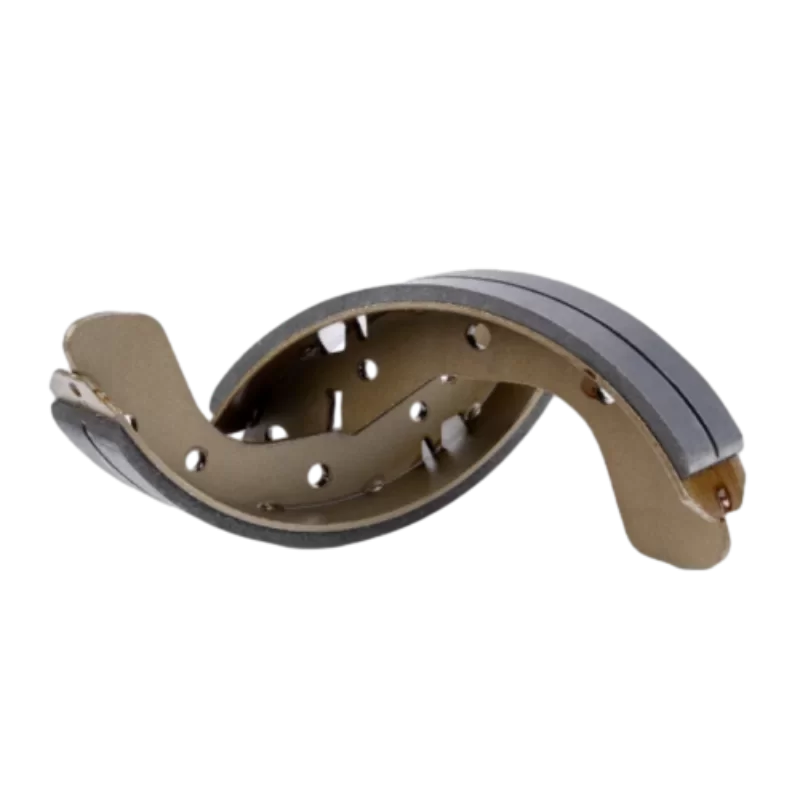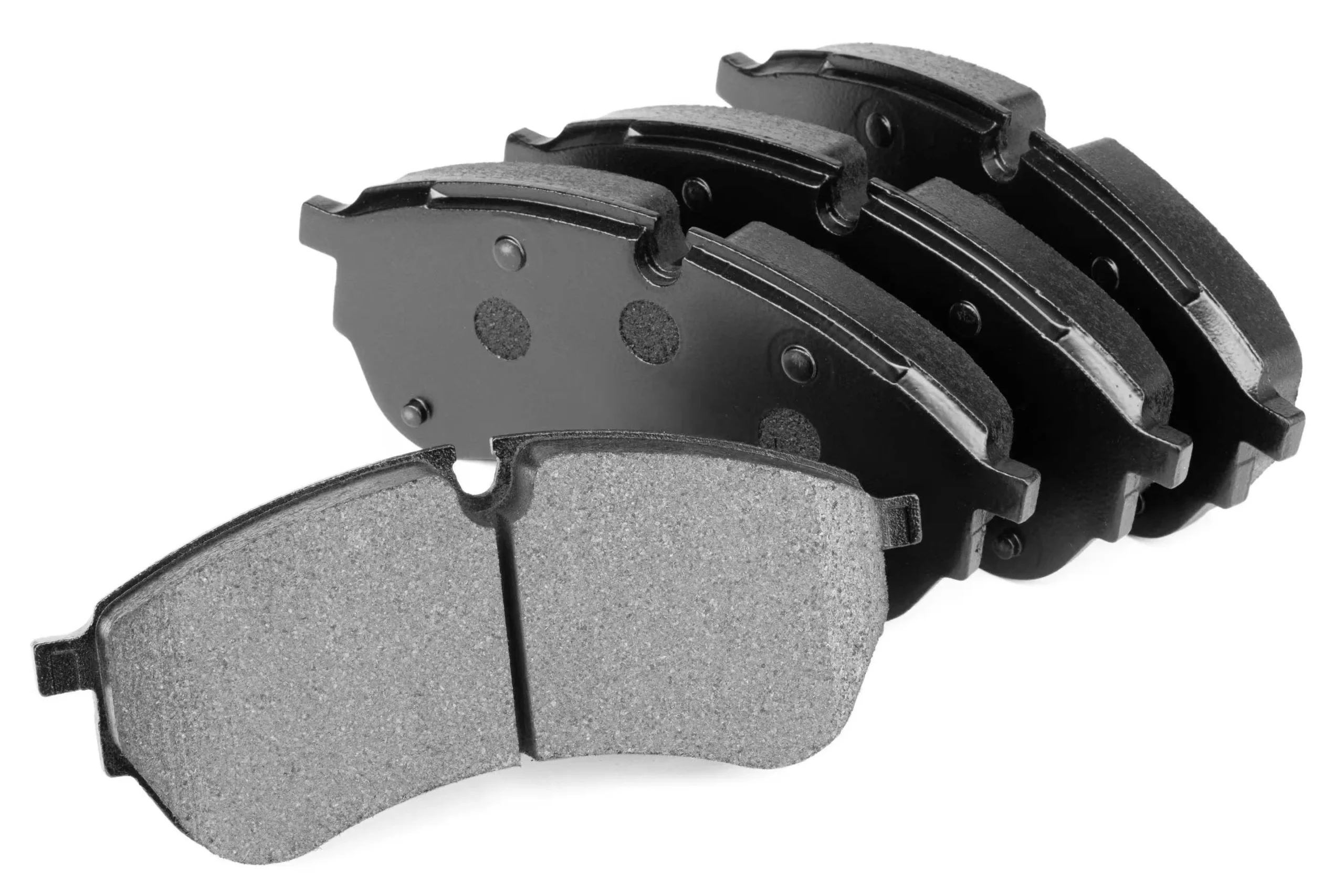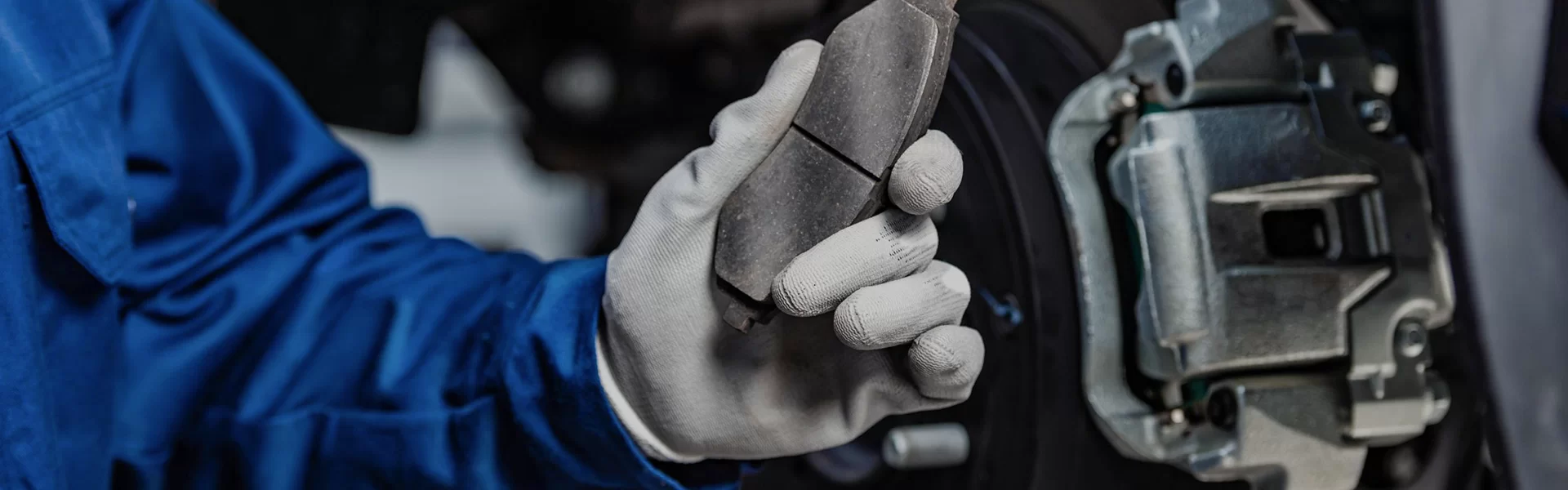
Having spent quite a few years in the industrial equipment sector—more specifically in the motorcycle parts arena—I’ve naturally grown a soft spot for the components that silently keep us safe on the road. Motorcycle brake pads often don’t get the spotlight, but frankly, they're among the most critical parts on any bike.
What strikes me is how diverse the manufacturers are in this niche. Some are classic firms with deep roots in metallurgy and friction materials. Others are newcomers, leveraging advanced ceramics or composite materials. In real terms, the choice of manufacturer affects everything from how quickly your bike stops to how much wear and tear your brake rotors endure.
One of the biggest trends I’ve noticed over the years is the rise of ceramic and semi-metallic brake pads. They balance performance and longevity quite well. Oddly enough, despite high-tech advances, many riders still swear by organic pads for their quiet ride and predictable feel, especially in vintage or cruiser motorcycles.
On a recent job, I was chatting with a mechanic who’s been around the block a dozen times. He told me about a customer whose bike was fitted with KY Brake Pads. The pads delivered noticeable stopping improvement in just a few rides, and they didn’t eat through rotors like cheaper alternatives. “It’s like stopping on a dime but still smooth,” he said, which sticks in my head because quality brake pads really do make that kind of difference.
| Specification | Typical Range | Impact |
|---|---|---|
| Material Composition | Organic, Semi-metallic, Ceramic | Durability, heat resistance, noise |
| Friction Coefficient (μ) | 0.35 – 0.55 | Stopping power, modulation |
| Operating Temperature (°C) | -20 to 500+ | Performance consistency |
| Pad Thickness (mm) | 6 – 12 | Service life |
| Manufacturer | Materials Used | Price Range | Notable Strength | Availability |
|---|---|---|---|---|
| KY Brake Pads | Semi-metallic & Ceramic blend | $$$ (Mid-High) | Consistent high performance, low rotor wear | Global distribution |
| EBC Brakes | Organic, Kevlar, Sintered | $$$ (Mid-High) | High durability on dirt bikes | Wide availability |
| Brembo | Sintered and Ceramic | $$$$ (High) | Premium performance & fit for sportbikes | Global |
| Galfer | Semi-metallic, Organic | $$ (Mid) | Affordable quality for everyday riders | Regional and online |
From my experience, picking the right brake pad manufacturer depends a lot on your riding style, bike type, and even local climate. I noticed once that pads engineered for cold weather didn’t fare as well in extremely hot, dusty desert conditions. There’s no one-size-fits-all here.
Customization also plays a role. Some manufacturers offer tailored compounds for racing or touring. It feels like a small detail, but for technical riders or professional racers, it’s a game changer.
In closing, if you ask me what matters most, it’s quality and testing rigor. Brake pads not only must meet the friction standards; they also require harsh durability testing, fading controls, and temperature stability checks. And while many brands claim to do this, it’s important to work with reputable manufacturers. Picking a trusted brand like KY Brake Pads can save you both money and stress down the road.
So, next time you think about upgrading a part of your bike, think of the brake pads—it’s a small component that packs a big punch.
— John M., Industrial Equipment Specialist and Motorcycle Enthusiast