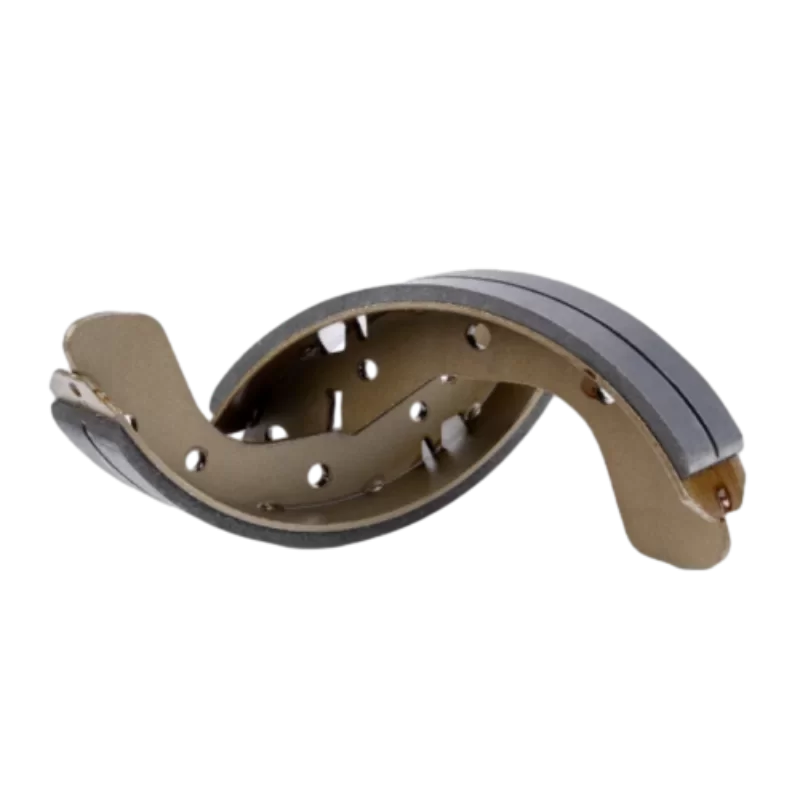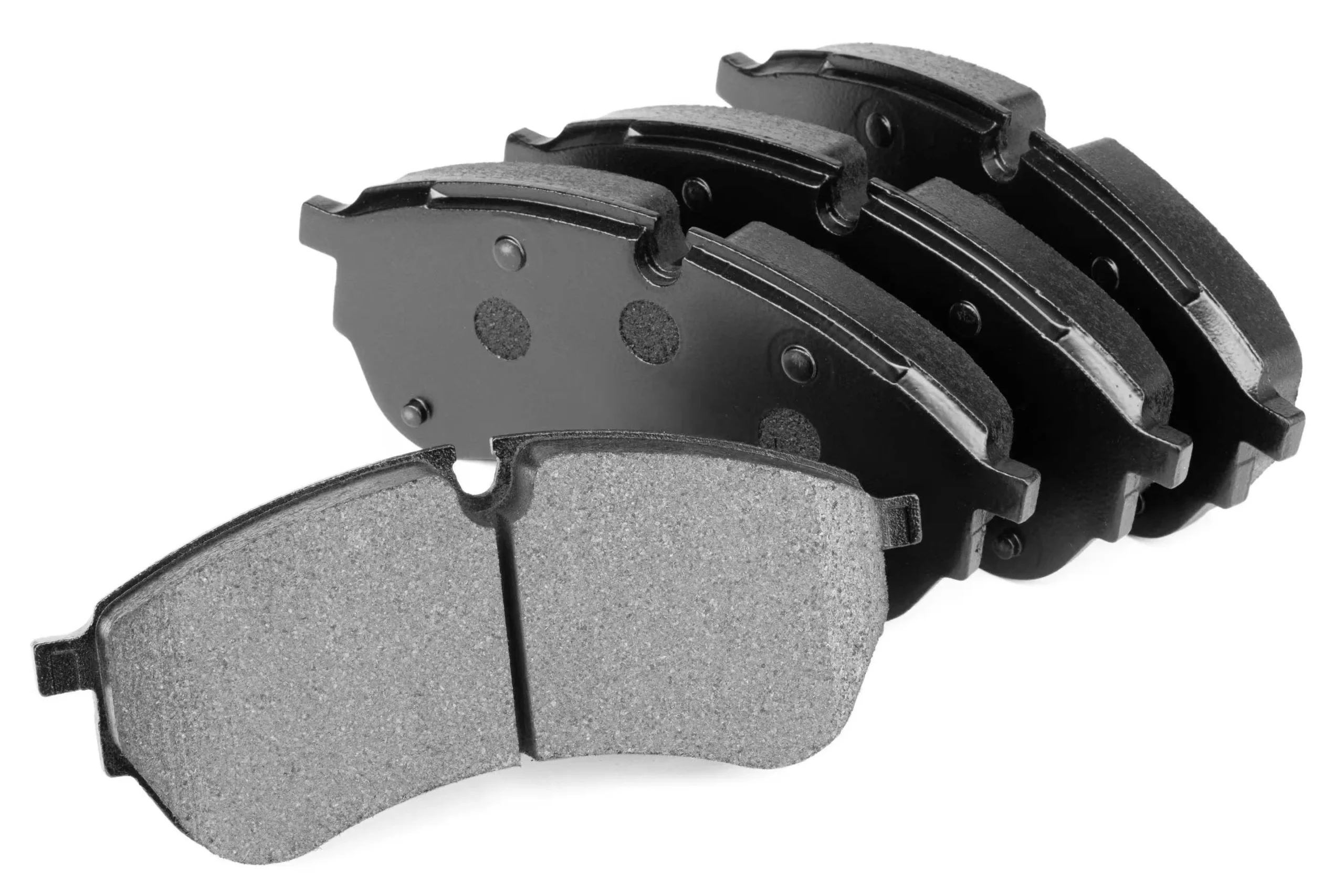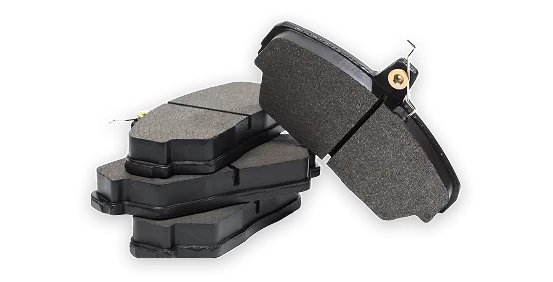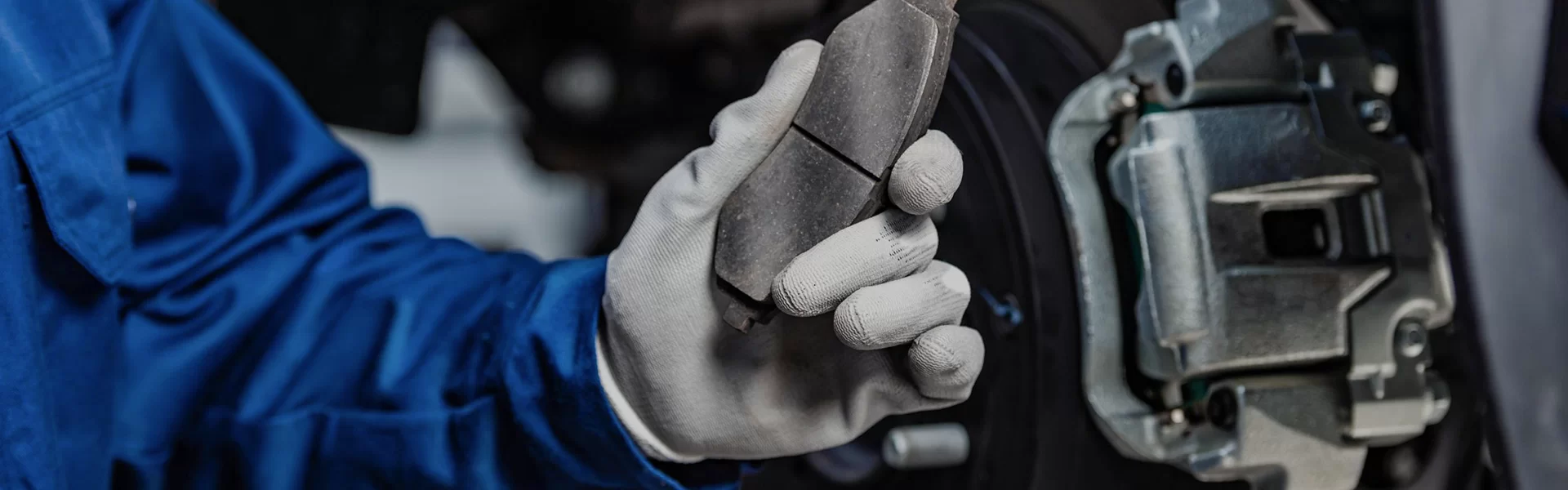
Brake pads — often overlooked — are crucial components that keep vehicles safe as they stop. Behind these vital parts stand the brake pads manufacturers, a diverse group of industry players producing products that suit everything from city cars to heavy-duty trucks and even rail vehicles. Understanding who these manufacturers are and what they do isn’t just a niche automotive curiosity. Globally, these suppliers form the backbone of transportation safety, impacting billions of lives and the environment worldwide.
Why does this matter? You might not think about brake pads daily, but vehicle safety failures cause thousands of accidents annually. Improving brake pad quality through specialized manufacturing reduces accidents, pollution, and maintenance costs. That’s why learning about brake pads manufacturers—and their evolving technologies—is not just important, but essential for anyone connected to transportation, manufacturing, or sustainability sectors.
Mini takeaway: Brake pads manufacturers play a quietly vital role in global safety and industry sustainability. Knowing about their work helps us appreciate the complexity under vehicle safety.
The global market for brake pads is significant and growing. According to Statista, the automotive aftermarket brake pads segment is projected to reach over $20 billion by 2030, a figure reflecting increasing vehicle ownership and stricter safety regulations worldwide. This demand places intense pressure on brake pads manufacturers to innovate and scale production efficiently.
On the flip side, environmental regulations are tightening, calling out manufacturers to reduce harmful materials like asbestos and heavy metals traditionally used in brake pad compounds. That’s one of the key challenges — balancing performance, cost, and eco-friendliness. It’s a tricky equation. Moreover, supply chain disruptions (think global chip shortages and raw material price volatility) have underscored the need for more resilient sourcing and manufacturing methods.
Mini takeaway: The brake pads manufacturing sector operates at the intersection of growing demand and evolving regulations, facing challenges around innovation and sustainability.
Simply put, brake pads manufacturers are companies that produce the friction material components that press against brake rotors or drums, allowing a vehicle to decelerate or stop. While “brake pads” might sound like a small product, there’s a considerable science and engineering effort behind their design and production environments.
They’re a vital part of the automotive supply chain, supplying the aftermarket (replacements) and original equipment manufacturers (OEMs). Their products serve not only passenger cars but also commercial vehicles, motorcycles, trains, and even industrial machinery. The connection to humanitarian needs is real too—reliable brake pads can mean safer ambulances, rescue vehicles, and public transport in regions where infrastructure demands tough, resilient braking components.
Brake pads must withstand intense friction and heat without degrading quickly. Manufacturers focus on compound formulations to balance longevity with stopping power. Durability ensures safety and reduces replacement frequency, saving costs long-term.
Traditionally, asbestos was used but banned due to health risks. Now, manufacturers use organic, semi-metallic, and ceramic materials. Each type has trade-offs: ceramic pads offer low noise and dust, semi-metallic perform well under high temperatures, and organic are quieter but wear faster.
Regulations like the EU’s brake wear emission limits are pushing makers to adopt greener materials and processes, cutting down airborne particulates and toxic components.
Competitive pricing is critical. Manufacturers optimize production lines, raw material sourcing, and economies of scale to deliver consistent quality at competitive prices.
With vehicles evolving — electric cars, autonomous systems — brake pads manufacturers are innovating with new friction modifiers and sensor integration for better system feedback.
Mini takeaway: Brake pads makers juggle material science, cost, safety, and sustainability — a complex but fascinating balance.
For instance, in India’s dense urban traffic, brake pads must endure frequent stop-and-go conditions, demanding manufacturers adjust formulations for extreme wear resistance. Oddly enough, something as simple as a brake pad connects deeply to infrastructure health and public safety worldwide.
Choosing quality brake pads from trusted manufacturers confers:
From both emotional and logical standpoints, dependable brake pads deliver peace of mind to drivers and fleet operators alike. Knowing your vehicle’s stopping power won’t fail at a crucial moment is priceless.
| Type | Material Composition | Average Lifespan (km) | Noise Level | Cost Range ($) |
|---|---|---|---|---|
| Organic | Non-metallic fibers, resins | 30,000–50,000 | Low | Low |
| Semi-metallic | Metal fibers, fillers, resin | 40,000–70,000 | Medium | Medium |
| Ceramic | Ceramic fibers, filler materials | 50,000–90,000 | Very Low | High |
| Manufacturer | Product Range | Global Reach | Sustainability Efforts | Price Tier |
|---|---|---|---|---|
| Manufacturer A | Full range: organic, ceramic, semi-metallic | 100+ countries | ISO 14001 certified, eco materials | Mid-High |
| Manufacturer B | Focused on economy models | Asia-Pacific & Europe | Limited green initiatives | Low-Mid |
| Manufacturer C | Specializes in high-performance pads | Global, niche markets | Focus on sustainable sourcing | High |
Looking ahead, brake pads manufacturers are diving deeper into greener composites and digital integration. For electric vehicles (EVs), regenerative braking reduces brake pad wear, which actually shifts production needs somewhat — oddly enough, some expect a lower overall volume but a need for higher quality in friction materials.
Automation and Industry 4.0 technologies are also reshaping manufacturing lines, enabling real-time quality control, less waste, and faster turnaround. Plus, developments in sensor technology may lead to smart brake pads that communicate wear data directly to vehicle systems, improving maintenance scheduling.
Major challenges include fluctuating raw material prices (copper, ceramics), complying with stricter emissions standards, and countering counterfeit products that compromise safety. Manufacturers increasingly partner with research institutions to develop alternative materials like bio-based resins and employ blockchain for supply chain transparency.
In real terms, brake pads manufacturers do more than just produce parts—they safeguard lives, support sustainable industry, and embrace innovation to meet the challenges of a changing world. With growing global demand and environmental expectations, their role is more crucial than ever.
For anyone interested in deepening knowledge or sourcing reliable brake pads, I highly recommend checking out brake pads manufacturers with a proven track record of quality and sustainability.
Exploring brake pads manufacturing reveals the intricate balance of safety, technology, and responsibility underlying modern transport.
References: