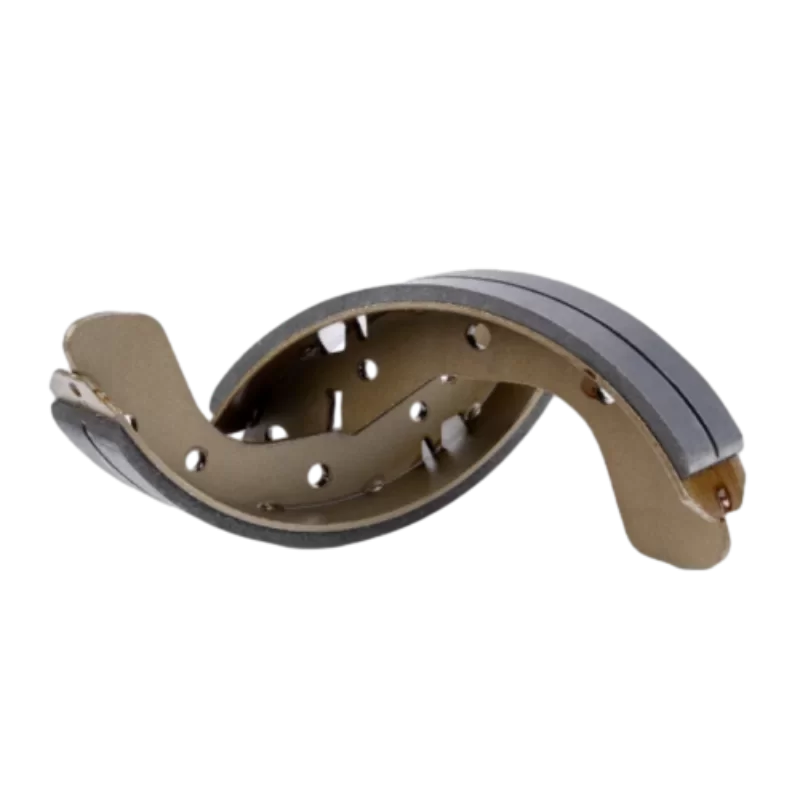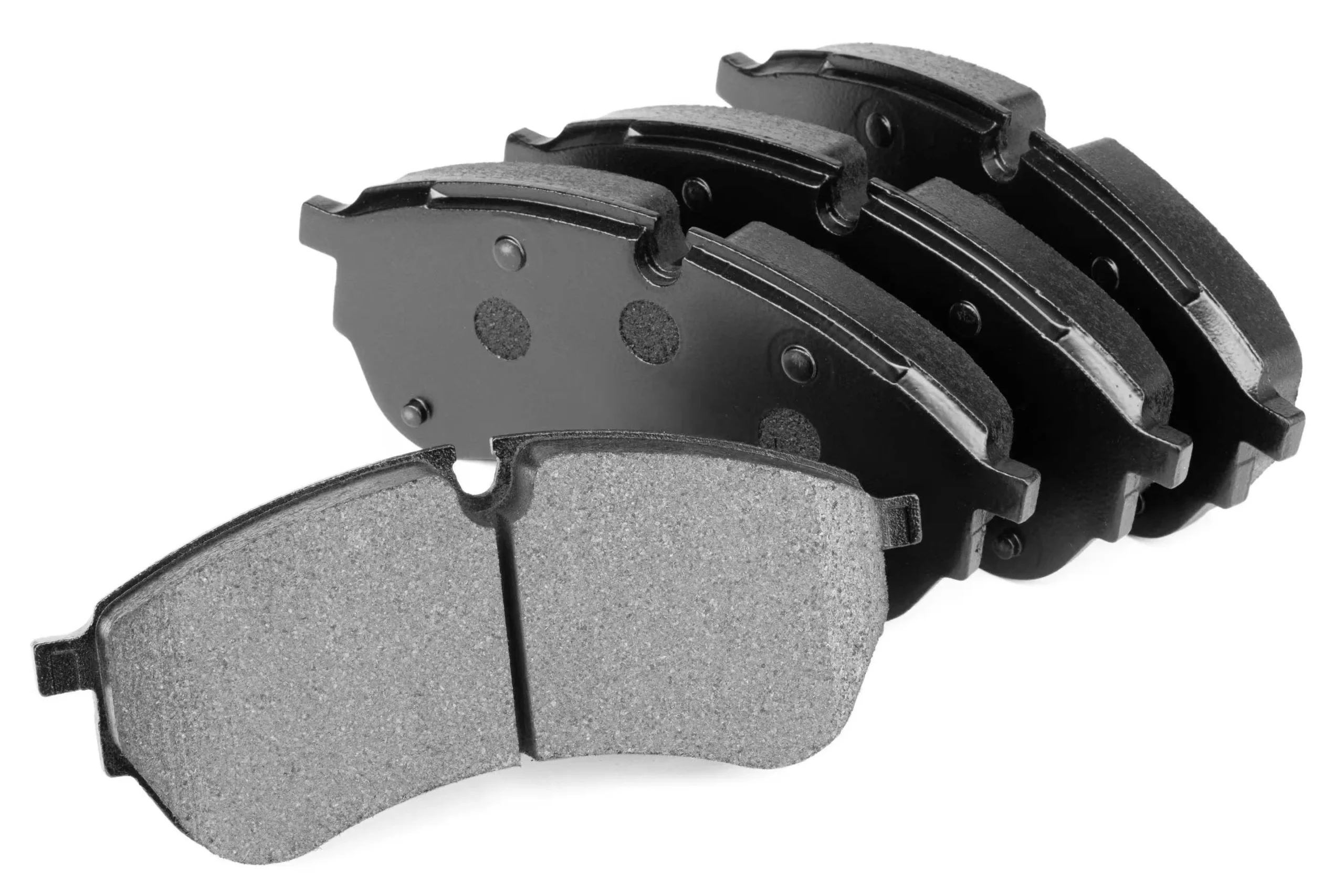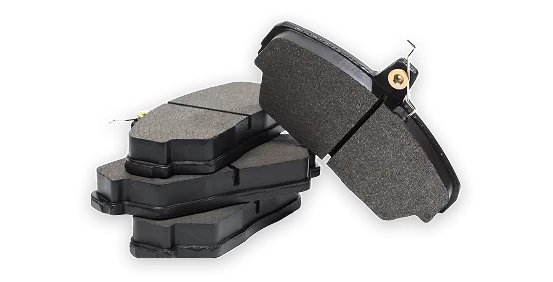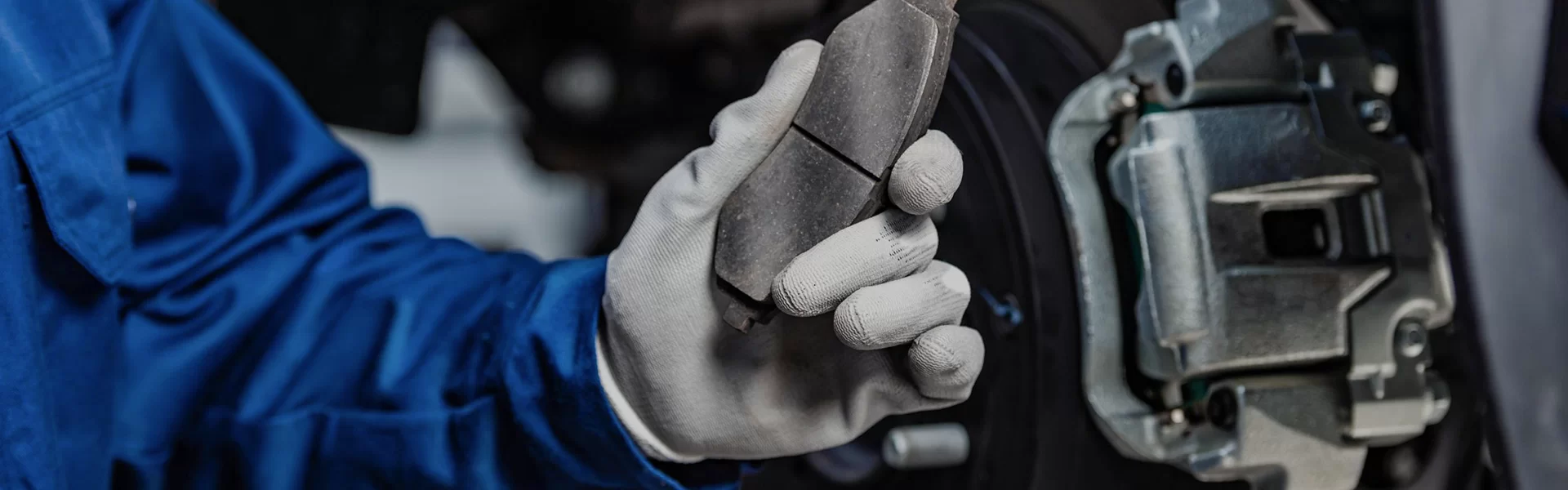
Replacing your front brakes is crucial for vehicle safety. Knowing the typical front brakes change price can help you budget effectively. This article will break down the costs involved, the factors influencing price, and how to potentially save money. We'll cover everything from parts costs to labor charges, and discuss the importance of choosing quality brake components. Properly functioning front brakes are paramount for stopping power and ensuring your safety on the road.
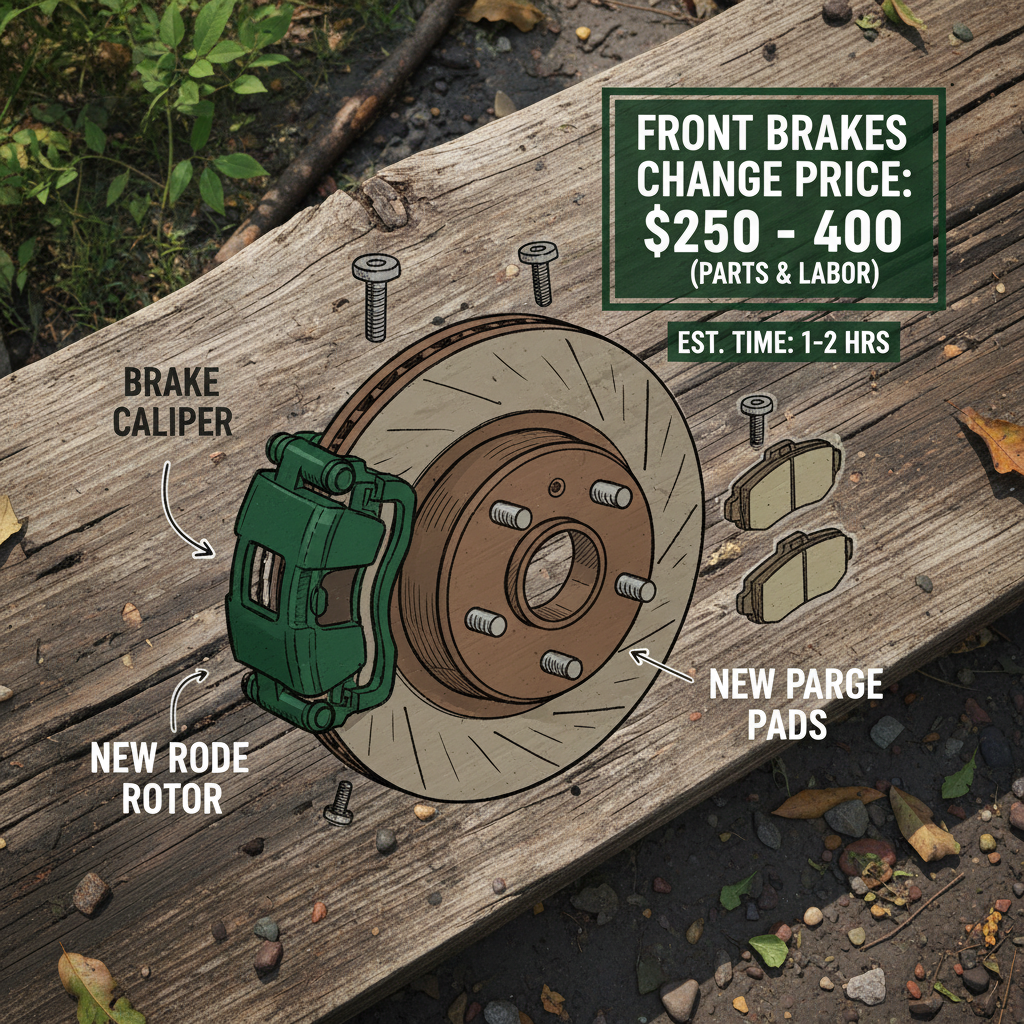
A complete front brake change typically involves more than just replacing the brake pads. Several components contribute to the overall stopping power and require inspection or replacement. These include brake pads, rotors (discs), calipers, brake lines, and potentially hardware like clips and shims. The cost of front brake replacement will vary depending on whether all of these components need addressing. Often, rotors will need to be resurfaced or replaced along with the pads to ensure optimal performance. Ignoring these associated parts can compromise the effectiveness of the new brake pads.
Key Takeaway: Don't just focus on the brake pads. A comprehensive inspection of all related brake components is vital for safety and long-term performance.
Several factors contribute to the final front brake change price. Vehicle make and model play a significant role, as luxury or performance vehicles often require more expensive parts. The quality of the brake pads and rotors is another major factor – ceramic pads and high-performance rotors will cost more than standard organic pads and cast iron rotors. Labor rates vary considerably by location and mechanic expertise. Finally, the extent of the damage or wear on the brake system will impact the price. If additional repairs are needed, such as replacing brake lines or calipers, the cost will increase accordingly.
Price Influencers:
• Vehicle Make and Model
• Quality of Parts (Pads & Rotors)
• Labor Rates
• Additional Repairs Needed
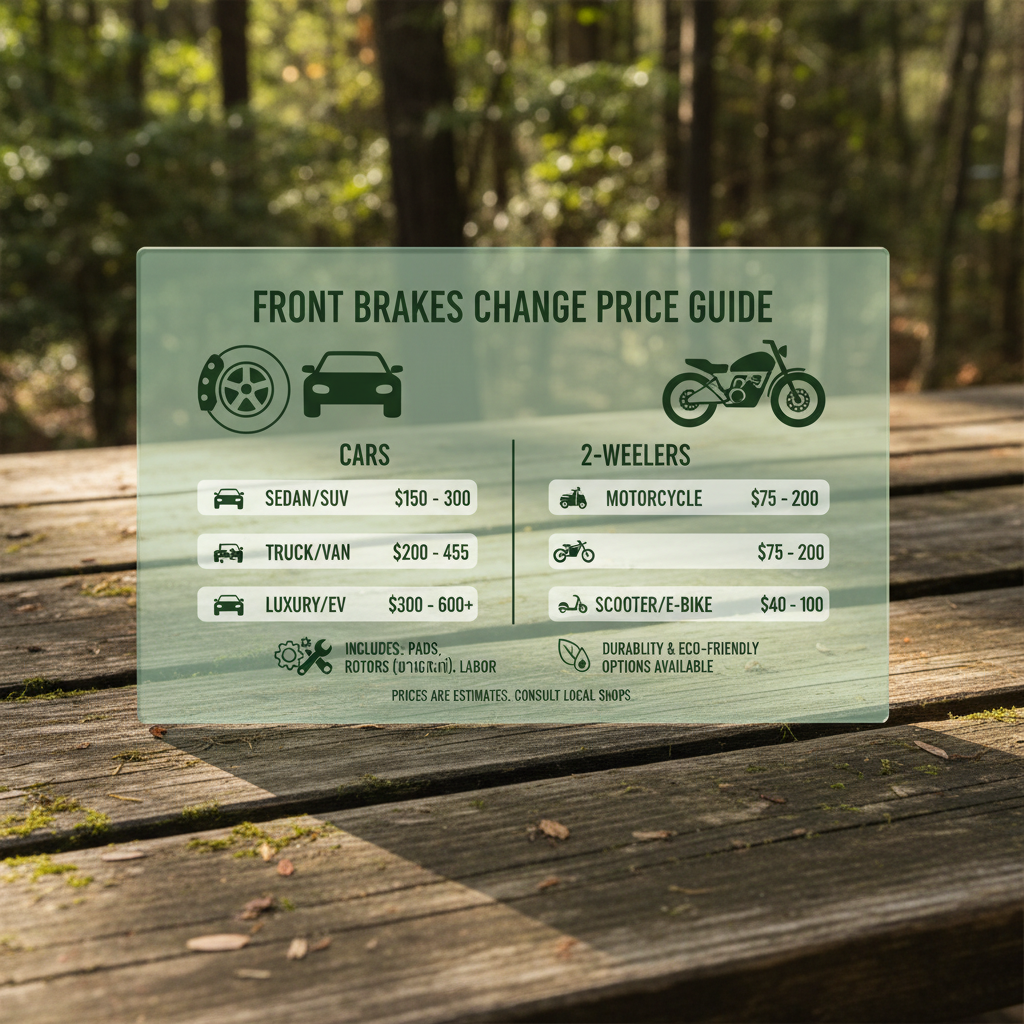
Here’s a breakdown of typical front brake change prices, categorized by component level. These are approximate ranges and can vary based on location and vehicle.
While safety should never be compromised, there are ways to potentially reduce the cost of front brake replacement. Consider getting quotes from multiple mechanics. Look for reputable shops offering competitive pricing. If you're comfortable working on cars, you could purchase the parts yourself (from a trusted supplier like KY Brake Pad) and perform the replacement yourself, but ensure you have the necessary skills and tools. Also, regular brake inspections can help identify issues early on, preventing more costly repairs down the road.
Selecting the appropriate brake pads is essential for optimal performance and safety. There are several types available, each with its own pros and cons. Organic pads are the most affordable but tend to wear quickly and generate more dust. Semi-metallic pads offer better stopping power and durability but can be noisy. Ceramic pads provide excellent stopping power, low dust, and quiet operation, making them a popular choice for everyday driving. Consider your driving habits and vehicle type when choosing brake pads. You can find a wide selection of quality brake pads at KY Brake Pad, designed for various vehicles and driving conditions.
Understanding the front brakes change price and the factors influencing it empowers you to make informed decisions about your vehicle's maintenance. Prioritizing safety by choosing quality parts and professional installation is crucial. Don't compromise on braking performance – it's a key component of your overall vehicle safety. Regular inspections and preventative maintenance will help ensure your brakes remain in optimal condition, protecting you and your passengers on the road.
The lifespan of brake pads varies depending on driving habits, vehicle type, and pad material. Generally, brake pads should be inspected every 6,000-8,000 miles and replaced when they reach approximately 3mm of remaining material. Symptoms of worn brake pads include squealing or grinding noises, reduced braking performance, and a brake warning light on your dashboard. Driving style, such as frequent hard braking, will shorten their lifespan.
Slotted rotors have grooves cut into their surface, which help to dissipate heat and improve braking performance, particularly in wet conditions. Drilled rotors have holes drilled through them, also to aid in heat dissipation and reduce weight. However, drilled rotors can be more prone to cracking under extreme heat and stress. Slotted rotors are generally preferred for street use, while drilled rotors are often used in racing applications.
While it's technically possible, it's generally not recommended to replace brake pads without inspecting the rotors. If the rotors are worn, warped, or have significant grooves, replacing them along with the pads is crucial for optimal braking performance and safety. Replacing pads on damaged rotors can lead to uneven braking, reduced stopping power, and premature pad wear.
A standard front brake change usually takes between 1 to 2 hours, depending on the vehicle and the mechanic's experience. However, if additional repairs are needed, such as replacing calipers or brake lines, the process can take longer. It's always best to ask the mechanic for an estimated completion time before authorizing the work.