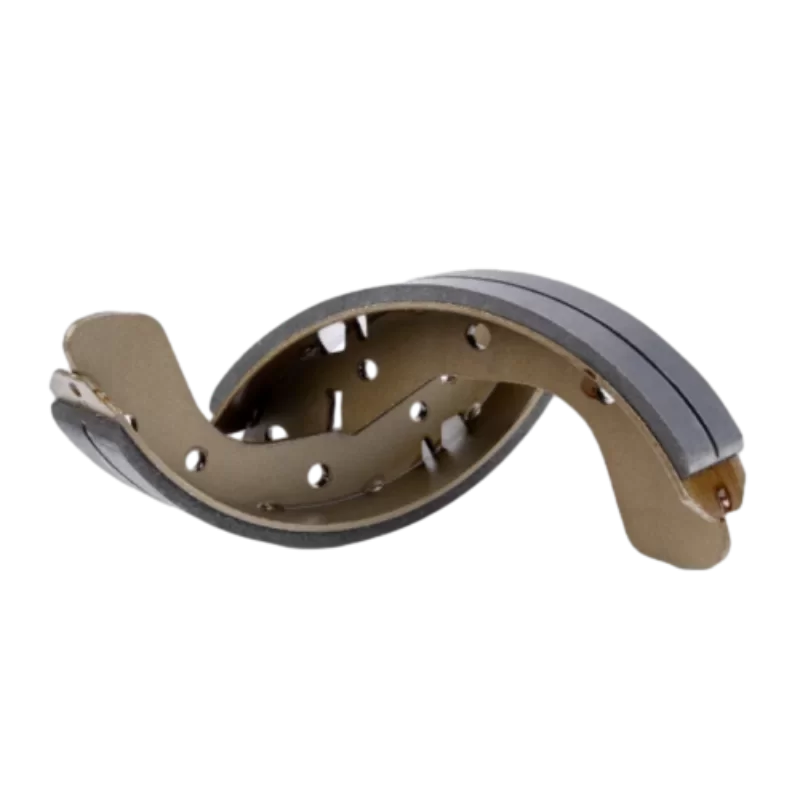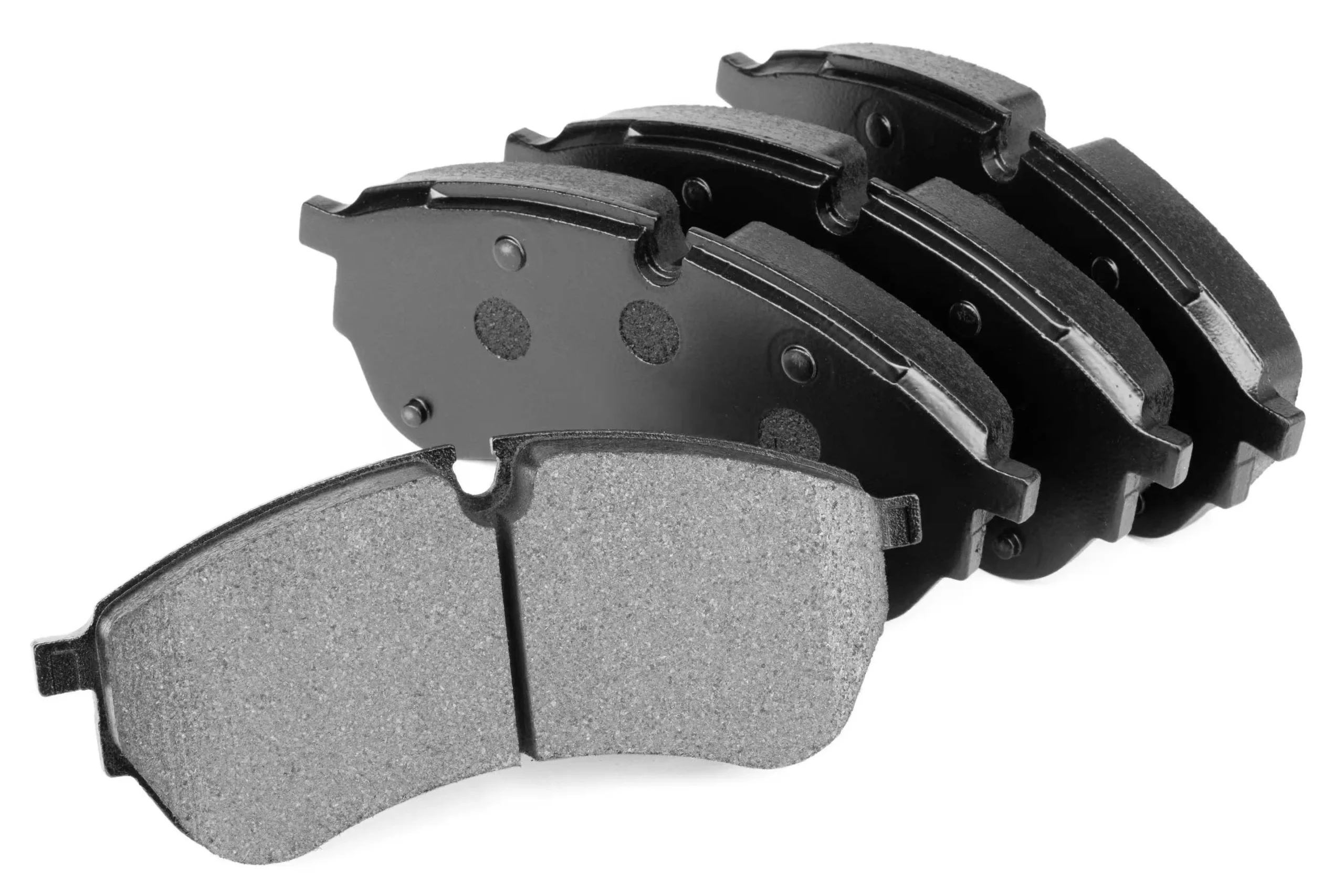
Replacing your brakes is a crucial part of vehicle maintenance, directly impacting your safety. Understanding the average price for brake replacement can help you budget for this essential service. Costs can vary significantly based on several factors, including vehicle type, brake component quality, and labor rates. This article will break down the costs associated with brake replacement, helping you make informed decisions. We’ll cover everything from parts to labor and provide a general price range to expect.
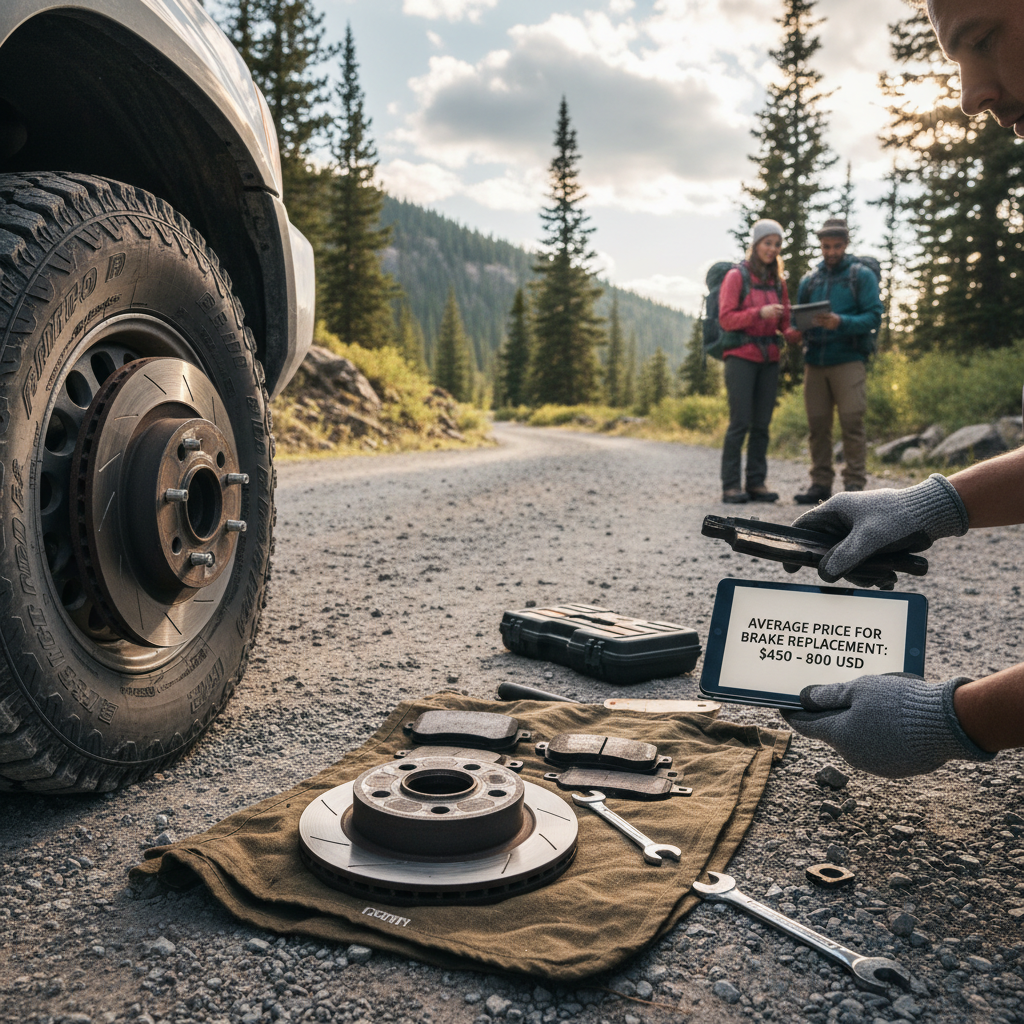
Several key factors determine the final cost of brake replacement. The most significant is the type of vehicle you own. Larger vehicles, trucks, and SUVs generally require more brake material and may have more complex braking systems, leading to higher costs. The type of brake components used – whether they are standard, ceramic, or performance brakes – also plays a major role. Labor costs, which vary by location and mechanic expertise, add to the overall expense. Finally, whether you need to replace rotors or calipers alongside the brake pads significantly impacts the price. Consider visiting KY Brakepad for high-quality components.
Key Considerations: Vehicle type, brake component quality, labor rates, and the need for rotor or caliper replacement all affect the overall cost.
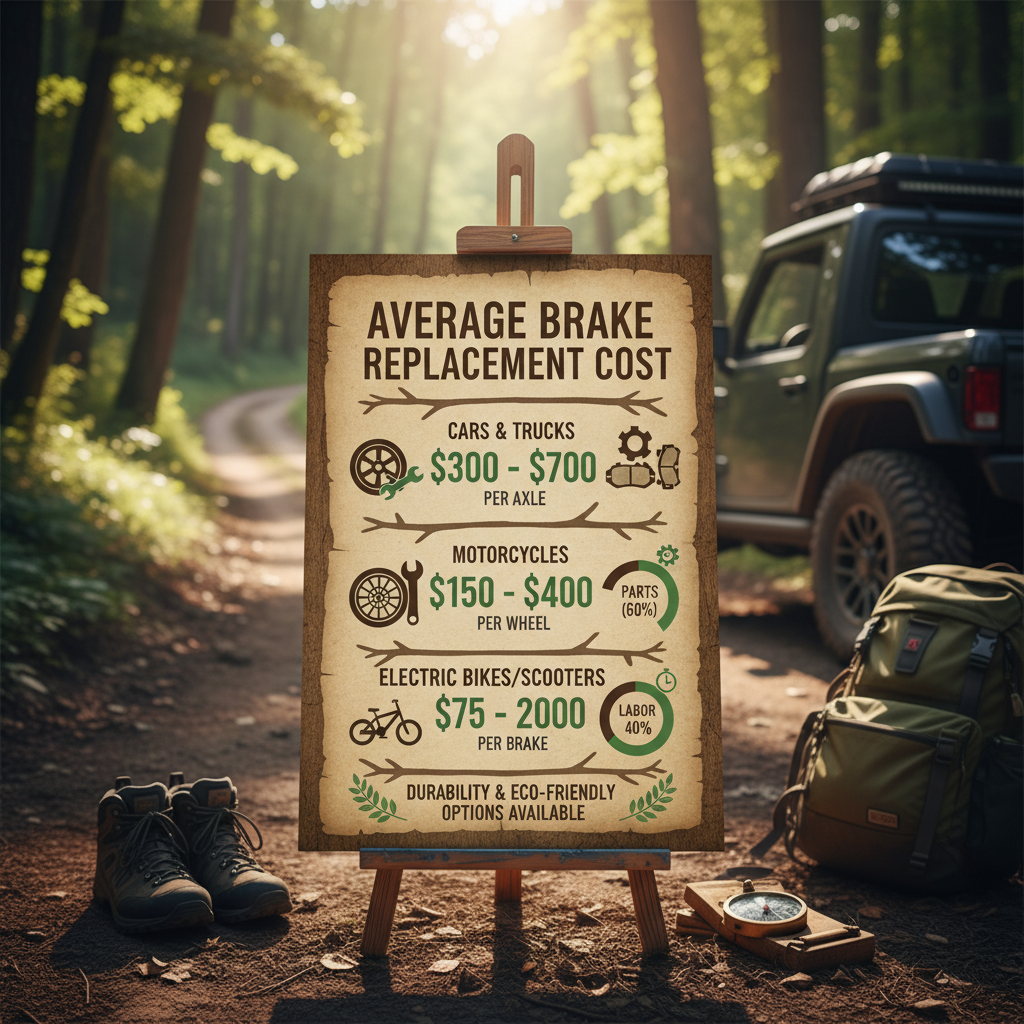
Here’s a breakdown of the average costs you can expect for different brake replacement scenarios. These are estimates, and actual prices may vary. Generally, a standard brake pad replacement (pads only) will be less expensive than a full brake job, which includes pads, rotors, and potentially calipers. Keep in mind that these prices are per axle (front or rear brakes).
The type of brake pad material significantly influences both performance and cost. Organic brake pads are the least expensive but tend to wear quickly and produce more dust. Semi-metallic pads offer a good balance of performance and cost, while ceramic brake pads provide the best stopping power, quiet operation, and longevity, but come at a higher price. Choosing the right material depends on your driving habits and budget.
While DIY brake replacements can save on labor costs, they require mechanical expertise and the right tools. Incorrect installation can compromise your safety. If you're not confident in your abilities, it’s best to leave brake replacement to a qualified mechanic. It’s also important to consider the risk of damaging components during the process. Investing in professional installation ensures the job is done correctly and safely. You can find reliable brake pads and components at KY Brakepad to simplify the process if you do decide to tackle it yourself.
Understanding the average price for brake replacement and the factors that influence it can help you budget effectively for this vital maintenance service. Prioritizing safety and considering professional installation when needed are crucial. Regular brake inspections and timely replacements are essential for maintaining vehicle safety and preventing costly repairs down the road.
The lifespan of brake pads varies depending on driving habits, vehicle type, and the quality of the pads. Generally, brake pads should be inspected every 6,000 to 8,000 miles and replaced when they reach approximately 3mm of remaining material. Signs that indicate it's time for a brake replacement include squealing or grinding noises when braking, a spongy brake pedal feel, or a noticeable decrease in braking performance. Regular inspections are crucial for maintaining optimal braking safety.
Ceramic brake pads are known for their quiet operation, low dust production, and long lifespan. They offer excellent stopping power but are generally more expensive than semi-metallic pads. Semi-metallic pads provide a good balance of performance and cost, offering reliable stopping power and decent durability. However, they tend to produce more brake dust and may be noisier than ceramic pads. The best choice depends on your driving style and budget.
Whether to replace rotors along with brake pads depends on their condition. If the rotors are worn, warped, or have deep grooves, they should be replaced. Resurfacing rotors is an option if they are within specification, but it can reduce their lifespan. Replacing rotors with new brake pads ensures optimal braking performance and prevents premature wear of the new pads. Consider the quality of brake rotors when making your decision.
Several warning signs indicate failing brakes. These include squealing or grinding noises when braking, a spongy or soft brake pedal feel, pulling to one side when braking, a vibrating steering wheel when braking, or an increased stopping distance. If you experience any of these symptoms, it's essential to have your brakes inspected by a qualified mechanic immediately.