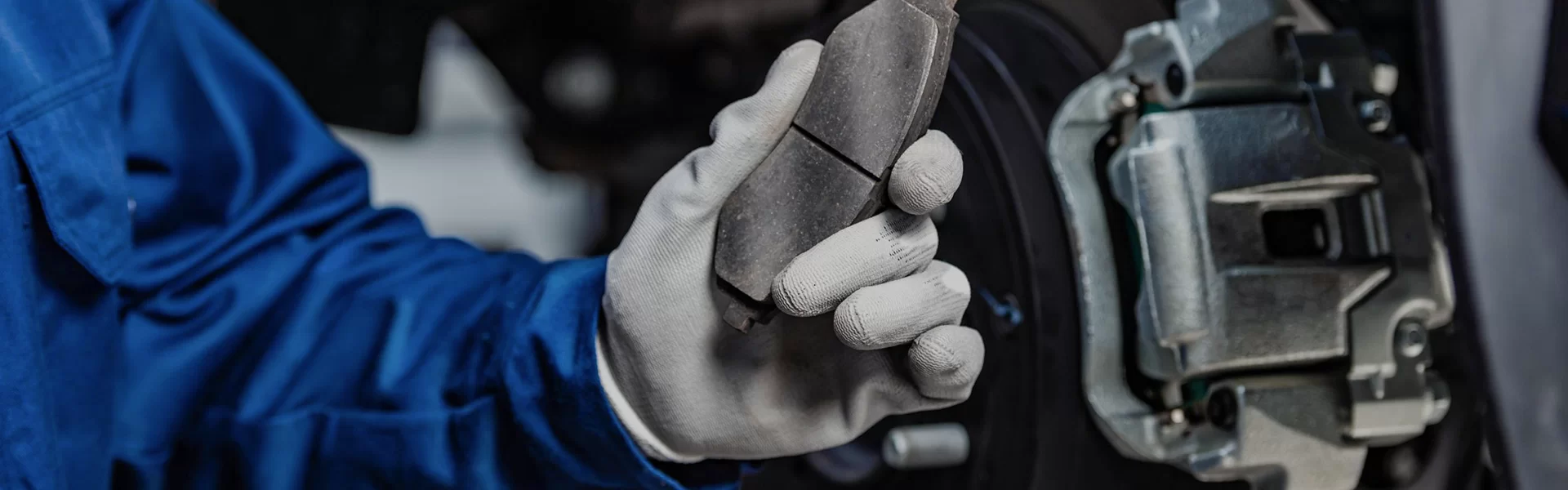
When it comes to vehicle safety, rear brakes are a critical component. Knowing the rear brakes price range and understanding your options is essential for maintaining a safe and reliable vehicle. This article will explore the factors influencing rear brake costs, different types of rear brakes, and where to find high-quality, affordable options at KY Brakepad. We will provide insights to help you make informed decisions about your vehicle's braking system.
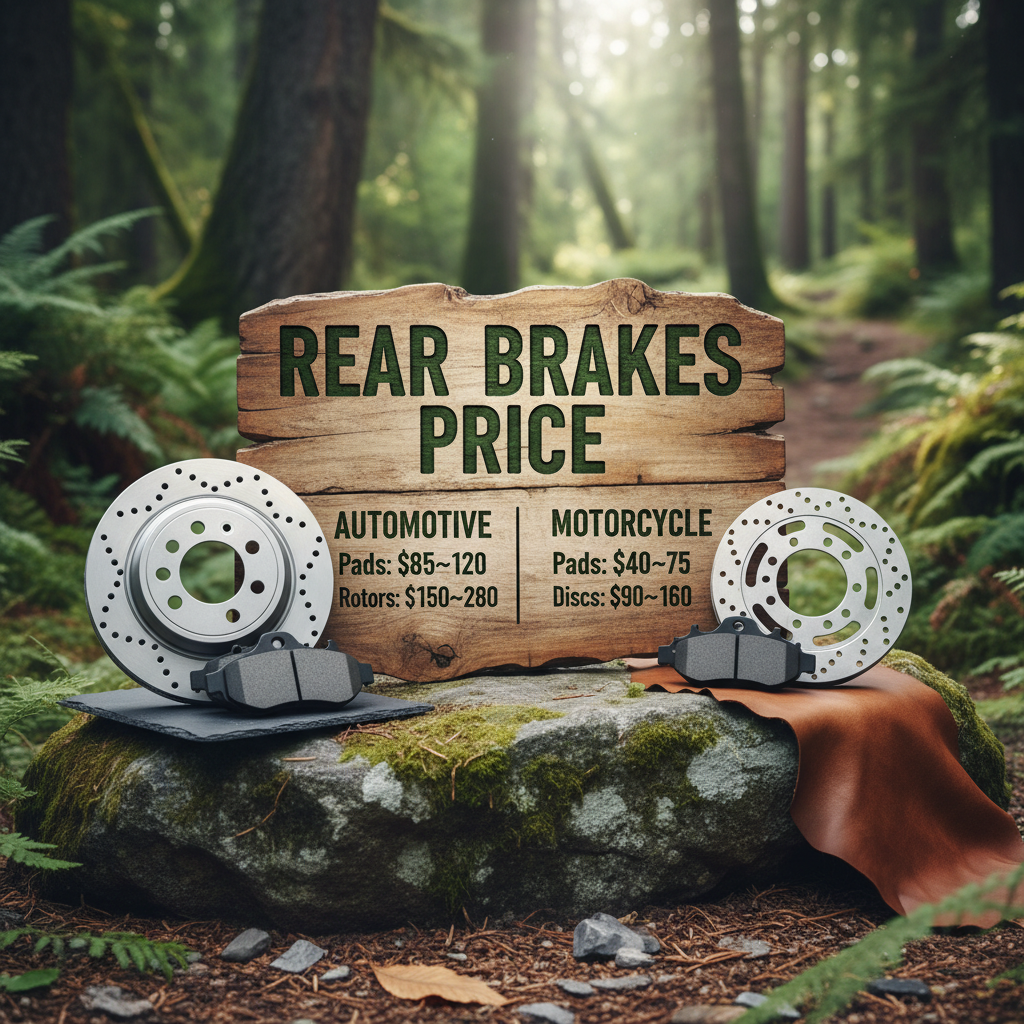
The price of rear brakes can vary considerably depending on several factors. Vehicle make and model are significant determinants, as different cars require different brake components. The type of brake – whether drum brakes or disc brakes – also plays a crucial role. Furthermore, the quality of the brake pads, rotors, and hardware directly impacts the price. Labor costs associated with installation will also add to the overall expense. Finally, choosing between OEM (Original Equipment Manufacturer) parts and aftermarket alternatives can significantly affect the rear brakes price.
Key Considerations: Vehicle type, brake type, parts quality, labor costs, and OEM vs. aftermarket choices all impact the final price.
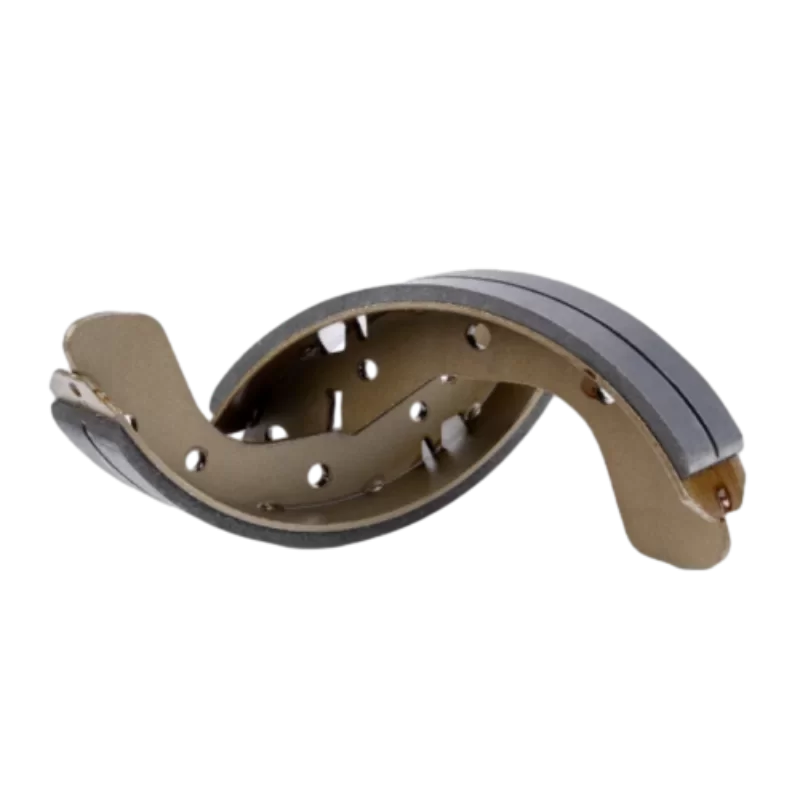
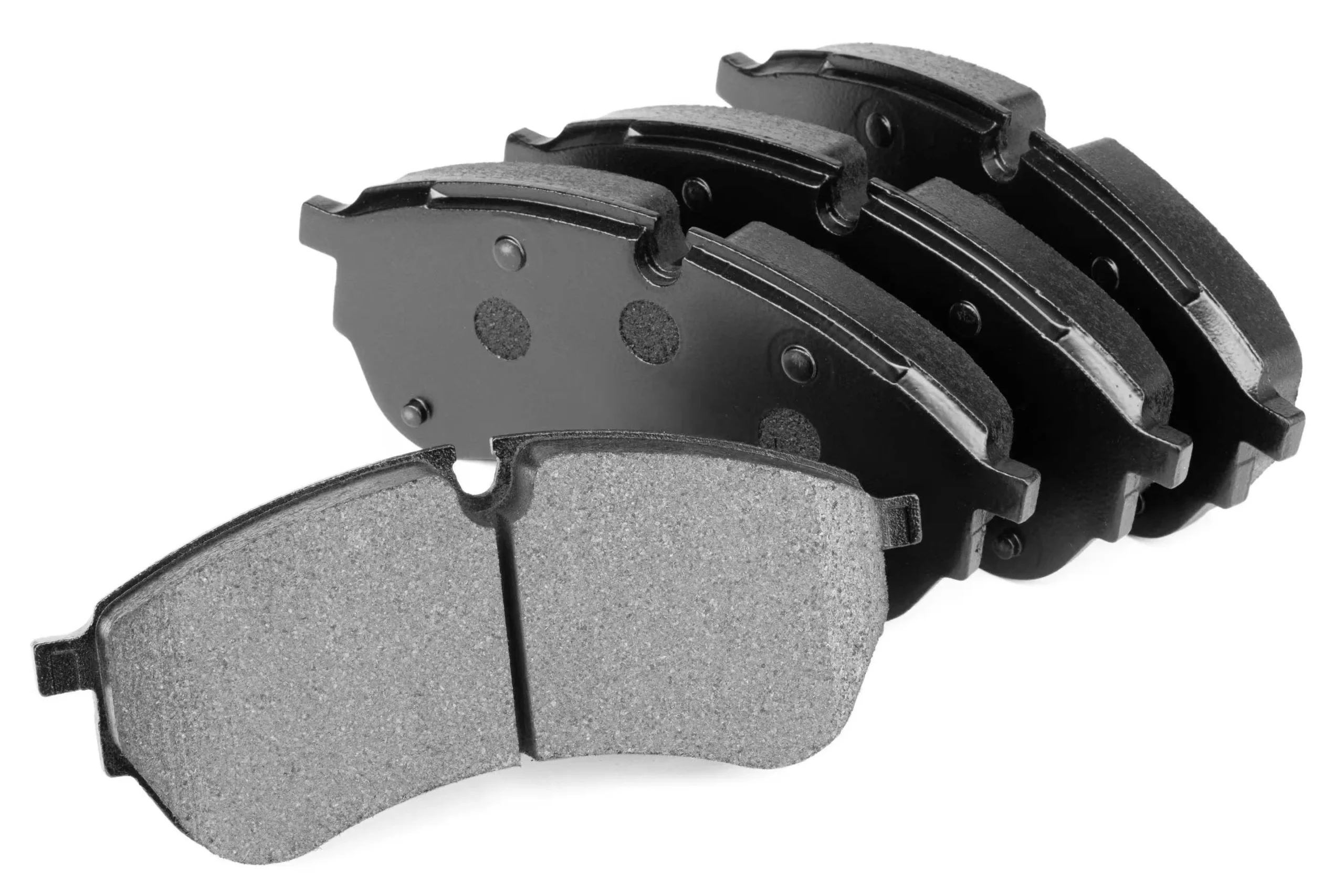
Rear brakes commonly come in two types: drum brakes and disc brakes. Disc brakes are generally more expensive than drum brakes due to their more complex design and superior performance. Disc brakes offer better heat dissipation and stopping power, leading to increased safety. However, drum brakes are often more affordable and suitable for vehicles with lower performance demands. Understanding the differences will help you determine the best option for your vehicle and budget. When comparing rear brakes price, remember to factor in the long-term benefits of more advanced systems like disc brakes.
Brake Type Comparison:
• Disc Brakes: Better performance, higher price.
• Drum Brakes: More affordable, adequate for lower demands.
• Heat Dissipation: Disc brakes dissipate heat more efficiently.
At KY Brakepad, we offer a wide range of high-quality rear brake pads and rotors at competitive prices. We understand the importance of safety and reliability, which is why we source our products from trusted manufacturers. Whether you need replacement brake pads for drum brakes or disc brakes, we have you covered. We also provide detailed product information and expert advice to help you choose the right components for your vehicle. We're committed to providing excellent value without compromising on quality, ensuring you get the best possible rear brakes price.
Selecting the correct rear brakes involves considering your vehicle's specifications, driving habits, and budget. If you primarily drive in city conditions with moderate braking demands, organic or semi-metallic brake pads may be sufficient. For more aggressive driving or vehicles requiring higher stopping power, ceramic brake pads are a better choice. Always consult your vehicle's owner's manual or a qualified mechanic to determine the appropriate brake type for your specific model. At KY Brakepad, we can assist you in finding the right rear brake components.
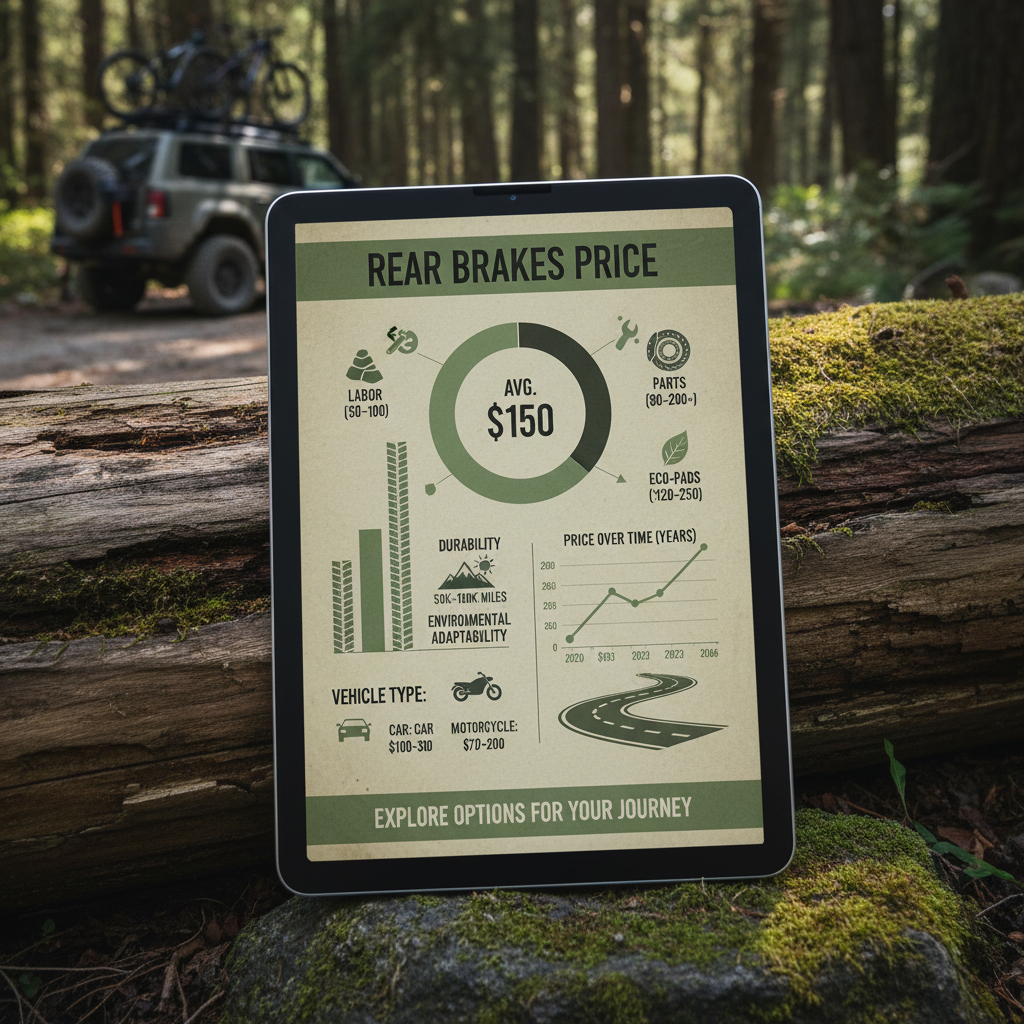
Regular brake maintenance is crucial for ensuring optimal performance and extending the lifespan of your rear brakes. This includes periodic inspections for wear and tear, replacing worn brake pads and rotors, and ensuring proper brake fluid levels. Ignoring brake maintenance can lead to reduced stopping power, increased braking distance, and potential safety hazards. KY Brakepad offers a variety of resources and expert advice on brake maintenance.
Investing in high-quality rear brakes is a smart decision for your safety and vehicle's performance. At KY Brakepad, we're committed to providing affordable, reliable brake solutions. Explore our extensive selection and experience the difference quality makes. Prioritize your safety – choose KY Brakepad.
The lifespan of rear brake pads varies depending on driving conditions and habits. Generally, brake pads should be inspected every 6,000-8,000 miles. Replacement is typically recommended when the pad thickness reaches 3mm or less. Signs that indicate your brake pads need replacing include squealing noises, grinding sounds, reduced braking performance, and a brake warning light on your dashboard. Regular inspections can help prevent more significant damage to your braking system and ensure optimal safety.
Ceramic brake pads are known for their quiet operation, low dust production, and excellent stopping power. They are generally more expensive than semi-metallic pads but offer a smoother and more comfortable braking experience. Semi-metallic brake pads are more affordable and provide good stopping power, but they tend to produce more dust and noise. The best choice depends on your driving style and budget. For everyday driving, ceramic pads are often preferred, while semi-metallic pads can be a cost-effective option for vehicles used in more demanding conditions.
Replacing rear brake pads can be a DIY project for experienced car owners with the right tools and knowledge. However, it's crucial to follow proper safety procedures and have a thorough understanding of the braking system. If you're unsure about any step of the process, it's best to consult a qualified mechanic. Incorrect installation can compromise your vehicle's safety. KY Brakepad provides detailed guides and resources, but professional installation is always recommended for peace of mind.