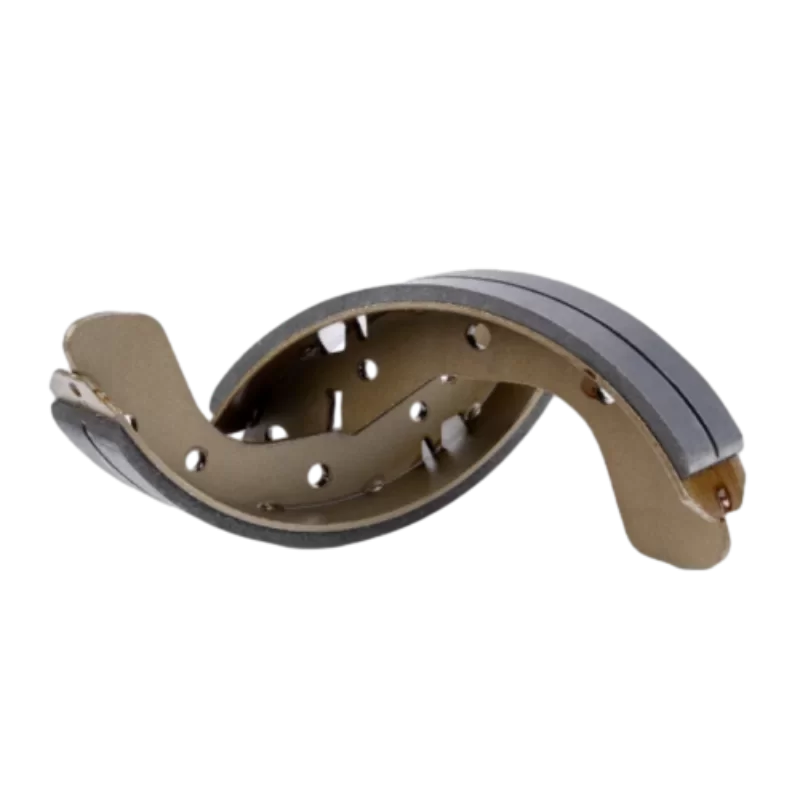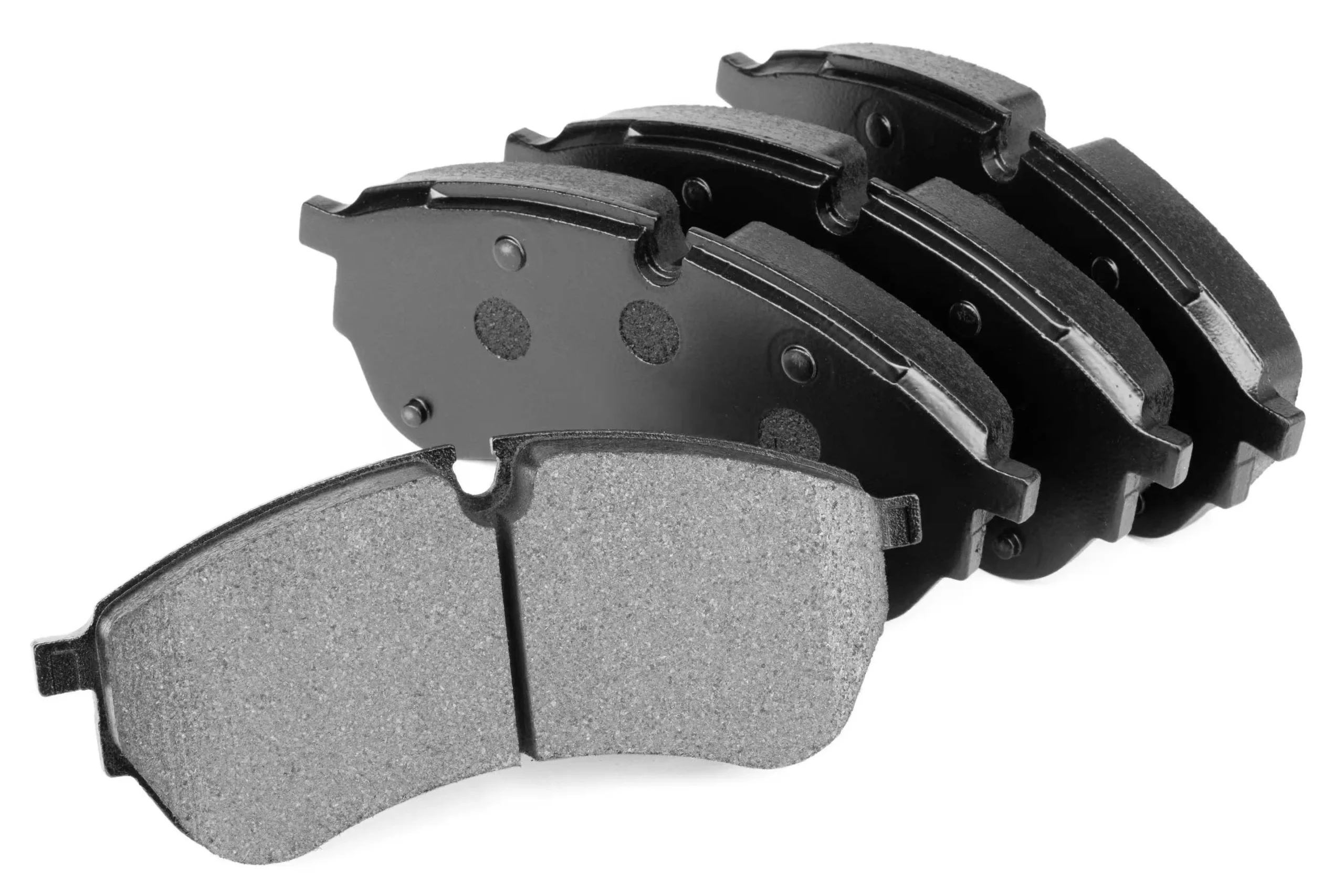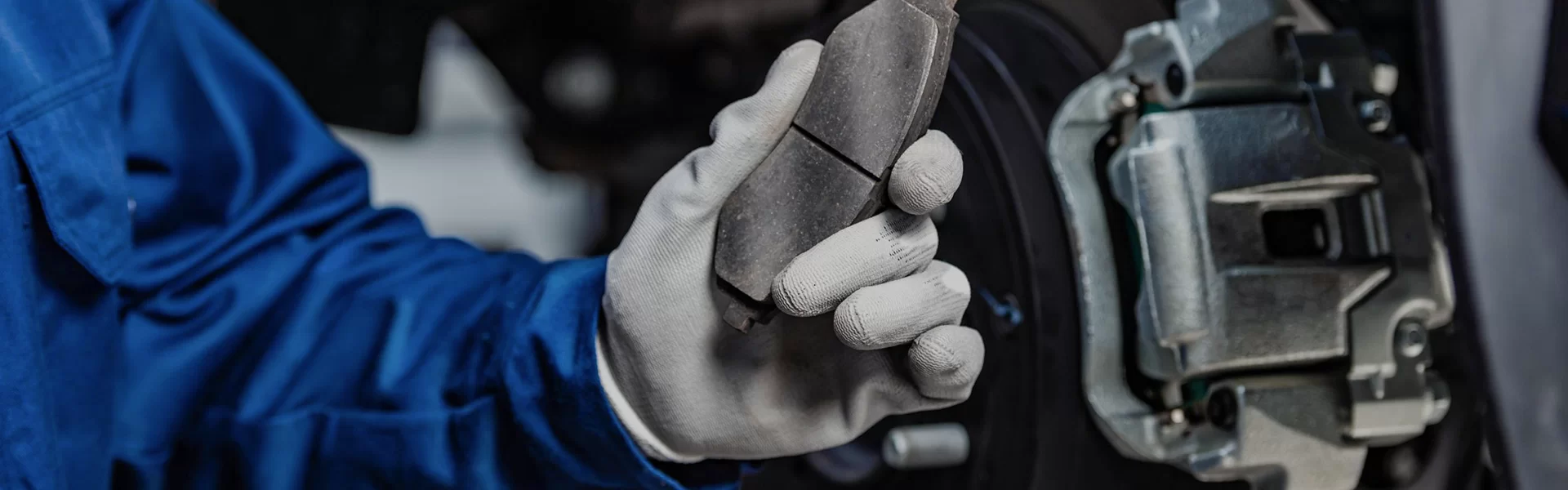
When managing a fleet of commercial vehicles or maintaining heavy-duty trucks, understanding the price per axle brakes is essential for accurate budgeting and operational safety. Brake systems are the most critical safety component of any vehicle, and the cost associated with replacing them varies significantly based on material quality, vehicle weight, and axle configuration. Whether you are looking for standard replacements or high-performance upgrades, knowing how pricing is structured helps in reducing long-term maintenance costs while ensuring maximum stopping power. In this guide, we will explore the factors that influence pricing and how to choose the best value for your fleet.
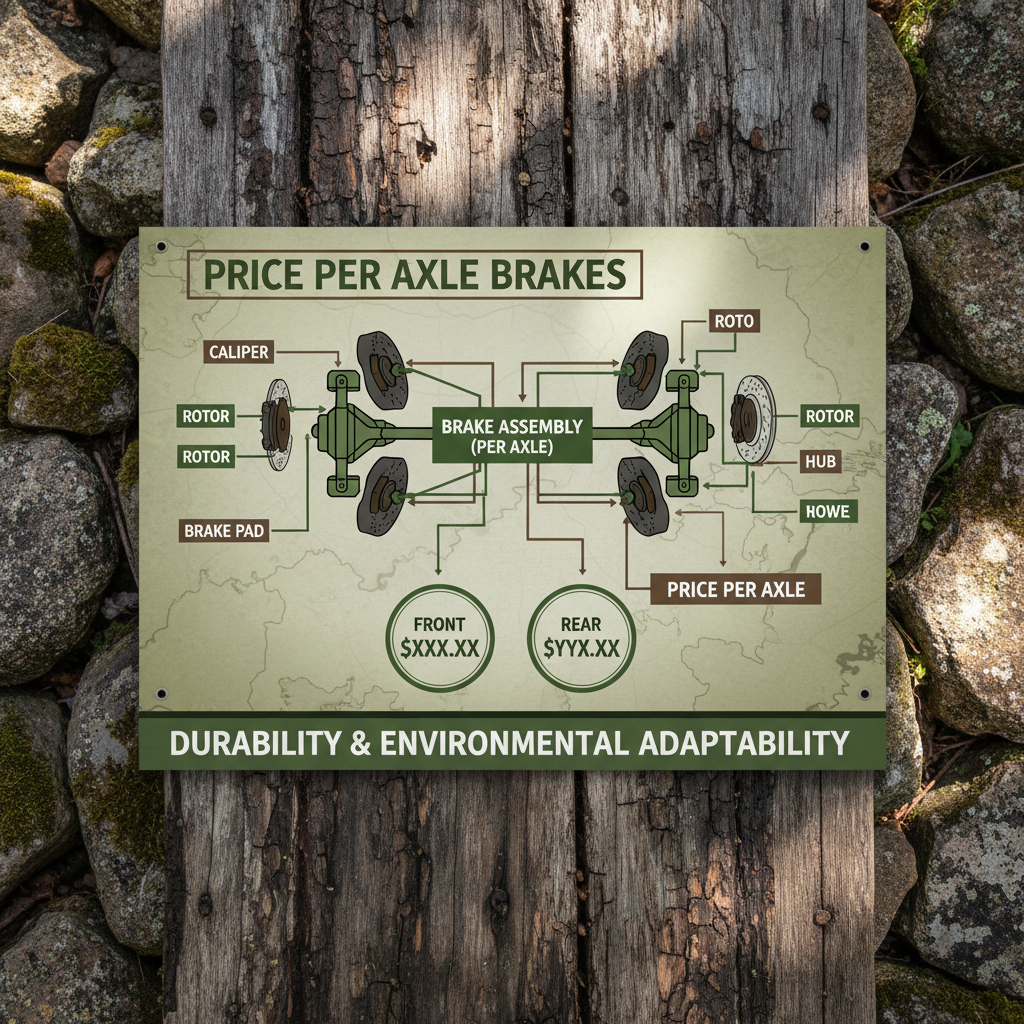
The total cost for brake replacement is rarely a flat fee. Several variables dictate the price per axle brakes, starting with the friction material. Semi-metallic pads are generally more affordable but wear faster, while ceramic or high-carbon options offer longer life and better heat dissipation at a higher initial cost. Additionally, the axle load capacity plays a huge role; brakes designed for heavy-haulage axles require more robust materials and larger surface areas, increasing the price. Labor costs and the brand's reputation for durability also contribute to the final invoice. Investing in premium components often lowers the "cost per mile," even if the upfront price per axle is higher.
Pro Tip: Always consider the Total Cost of Ownership (TCO). A cheaper set of brakes that needs replacing every 6 months is more expensive than a premium set that lasts 18 months.
To get a clear picture of the price per axle brakes, it is helpful to compare different materials. Different industries require different performance levels; for example, urban delivery trucks face frequent stop-and-go traffic, whereas long-haul trucks prioritize heat management on descents. The following table provides an estimated comparison of material types and their impact on pricing and longevity.
While the initial price per axle brakes might seem high for premium products, strategic maintenance can significantly lower your annual expenditure. Implementing a predictive maintenance schedule allows you to replace pads before they damage the brake rotors. When pads wear down to the metal, the resulting damage to the drum or disc can triple the cost of the repair. Furthermore, ensuring proper wheel alignment and checking for sticking calipers prevents uneven wear, ensuring that you get the maximum possible mileage out of every axle set. By focusing on quality over the lowest price, fleet managers often see a reduction in overall downtime.
When shopping for the price per axle brakes, it is vital to match the specifications to your vehicle's requirements. A mismatch in specifications can lead to premature failure or, worse, brake fade during critical maneuvers. High-quality axle kits typically include a set of brake pads for both sides of the axle, hardware clips, and sometimes wear sensors. Below are the typical specifications found in industrial-grade brake kits used to calculate pricing.
It is tempting to select the lowest price per axle brakes available on the market, but this often leads to "hidden costs." Low-cost brakes often use inferior bonding agents that can fail under extreme heat, leading to brake pad separation. Furthermore, cheap materials tend to produce more dust and noise, and they can cause aggressive wear on the brake rotors, forcing a more expensive full-system overhaul much sooner than expected. When you prioritize the lowest price, you risk increasing your vehicle's stopping distance, which is a critical safety hazard in commercial transport. Choosing a trusted supplier ensures that the price reflects quality and safety compliance.
Determining the price per axle brakes is more than just a numbers game; it is about balancing initial expenditure with safety and longevity. By understanding the impact of materials, adhering to strict maintenance schedules, and avoiding the pitfalls of ultra-low-cost alternatives, you can maintain a safer and more efficient fleet. Remember, the most cost-effective brake is the one that performs reliably every single time you hit the pedal. Invest in quality today to avoid expensive failures tomorrow.
It is recommended to review your brake procurement costs and wear rates every quarter. Market prices for friction materials can fluctuate based on raw material availability (like copper or ceramic composites). By tracking the "cost per mile" of different brands, you can determine which product offers the best actual value rather than just the lowest sticker price. Regular audits help in negotiating better bulk pricing with suppliers for your specific axle configurations.
Yes, typically. Front axles usually handle a larger portion of the braking force, especially during sudden stops, which often requires higher-specification pads with better heat resistance. Rear axles, especially on drive axles, may have different requirements depending on whether they are used for stability or primary stopping. Because of these different stress levels, the materials used—and thus the price—can differ between the front and rear axle kits.
While it is possible to buy individual pads, it is highly discouraged. For safety and performance, brakes must be replaced in pairs across the axle. If one side has new pads and the other has worn pads, it can create an imbalance in braking force, leading to the vehicle pulling to one side during an emergency stop. Purchasing by the axle ensures uniform friction and wear, maintaining the vehicle's stability and safety standards.
For heavy-duty applications, high-carbon semi-metallic or heavy-duty composite pads are often the most cost-effective. Although their initial price per axle is higher than basic pads, their ability to withstand extreme heat without "glazing" or fading means they last significantly longer under load. This reduces the frequency of replacements and prevents premature damage to the brake drums or discs, leading to lower overall maintenance costs over the life of the vehicle.