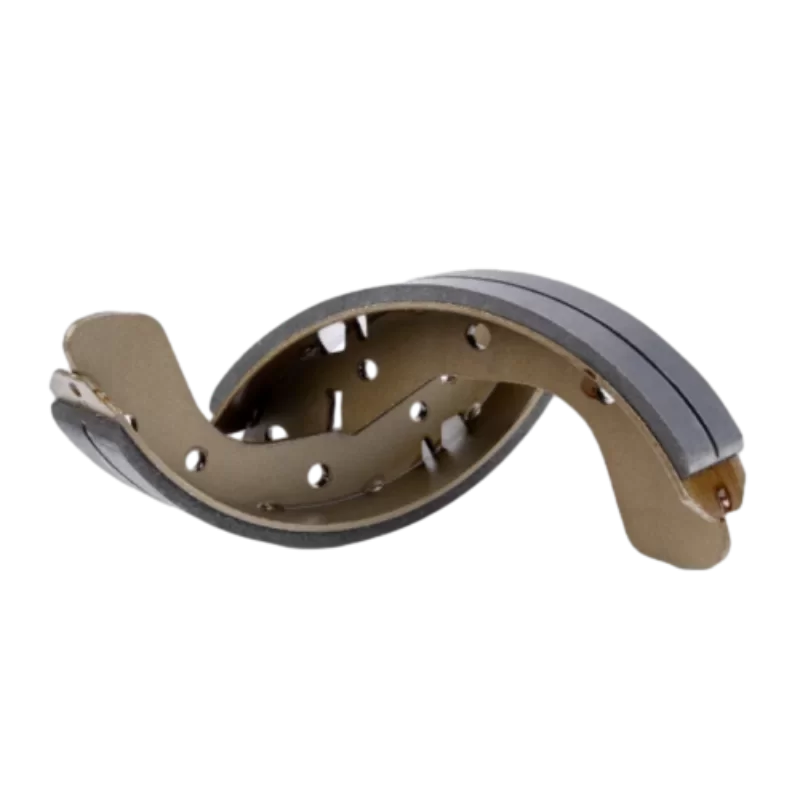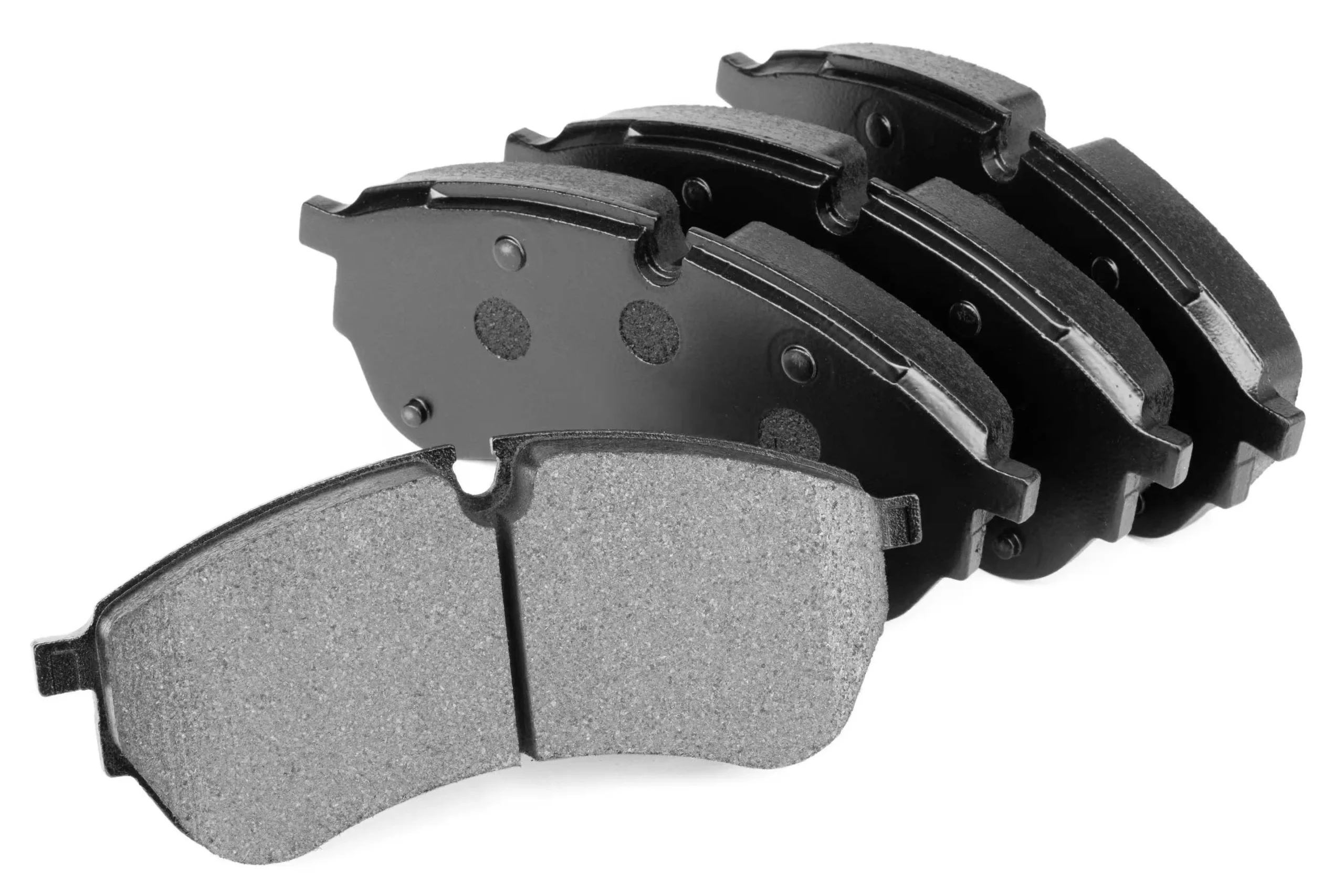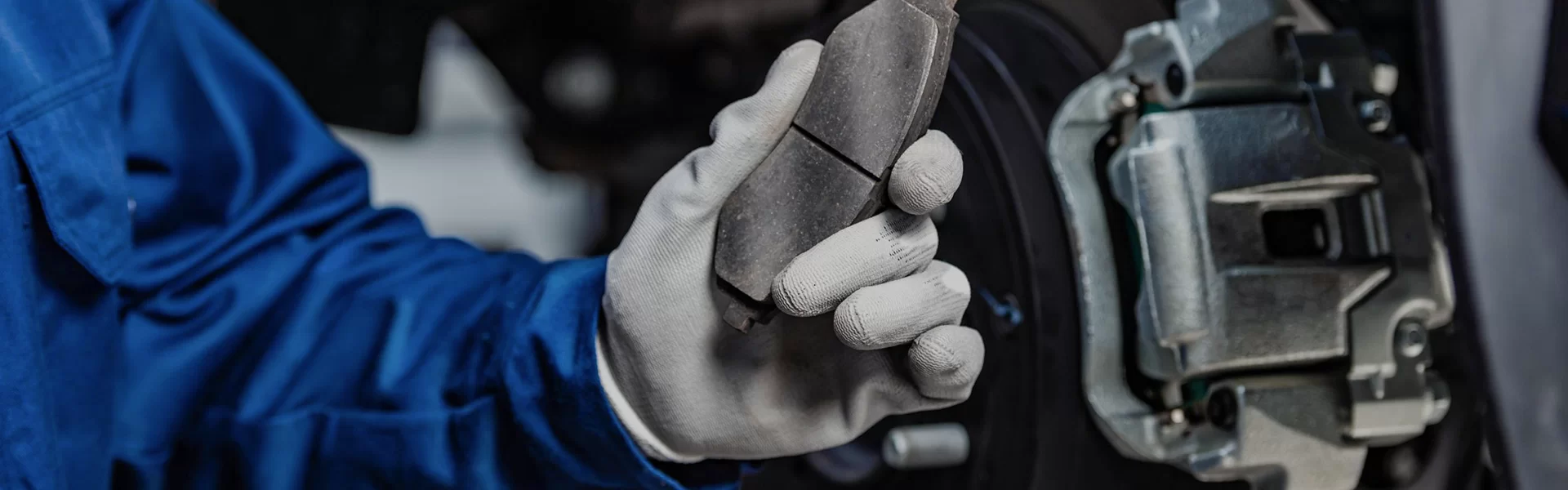
Replacing your brake pads is a critical aspect of vehicle maintenance, directly impacting your safety and driving performance. But how much does a brake pad change cost? This article will break down the factors influencing the price, provide a cost range, and explain how to potentially save money without compromising quality. Understanding these costs will empower you to make informed decisions about your vehicle’s upkeep. We'll cover everything from DIY options to professional mechanic services.

Several factors contribute to the overall cost of a brake pad replacement. The most significant include the type of brake pads (organic, semi-metallic, ceramic), your vehicle's make and model, your geographic location, and whether you choose to do it yourself or hire a professional. More expensive vehicles often have more complex braking systems requiring specialized tools and expertise. Labor costs also vary significantly depending on the mechanic's hourly rate and the time required for the job. Finally, it's vital to consider if any additional repairs are needed, like rotor resurfacing or replacement.
Key Considerations: Vehicle make/model, brake pad type, geographic location, labor rates, and additional repairs needed all influence the final cost.
Let’s look at a typical breakdown of costs. Brake pads themselves can range from $30 to $150+ per axle (front or rear), depending on the material and brand. Labor costs usually fall between $80 to $150 per axle. Rotor resurfacing adds around $30-$60 per rotor, while replacement rotors can cost $80-$200+ each. Don't forget to factor in potential taxes and disposal fees. Choosing high-quality brake pads from a reputable supplier like Kybrakepad can ensure longevity and performance, potentially saving you money in the long run.
Cost Components:
• Brake Pads: $30 - $150+ per axle
• Labor: $80 - $150 per axle
• Rotor Resurfacing: $30 - $60 per rotor
• Rotor Replacement: $80 - $200+ per rotor
The type of brake pad you choose directly impacts the brake pad change cost. Organic pads are the most affordable, typically costing $30-$60 per axle, but they wear down quickly and produce more dust. Semi-metallic pads offer a good balance of performance and cost, ranging from $40-$80 per axle. Ceramic pads are the most expensive, costing $70-$150+ per axle, but they offer superior stopping power, reduced noise, and minimal dust production. Kybrakepad offers a variety of brake pad options to fit your needs and budget.
You can save on labor costs by replacing your brake pads yourself. However, this requires mechanical skills, the right tools, and a thorough understanding of your vehicle’s braking system. A DIY brake pad replacement typically costs $50-$100 for parts. If you’re not comfortable performing this task, it’s best to leave it to a qualified mechanic. A professional will ensure the job is done correctly and safely, and they can also identify any other potential issues with your braking system.
Shopping around for quotes from different mechanics is crucial. Consider getting quotes from both independent shops and dealerships. Look for online coupons and discounts. Be sure to ask if rotor resurfacing is necessary or if replacement rotors are the better option. Sometimes, rotors can be resurfaced instead of replaced, saving you money. Also, consider purchasing brake pads online from reputable suppliers like Kybrakepad, where you may find better prices than at local auto parts stores.
Understanding the factors that influence brake pad change costs is the first step toward responsible vehicle maintenance. By considering the type of pads, comparing quotes, and exploring DIY options (if you're comfortable), you can make informed decisions and stay within your budget. Prioritizing safety and quality should always be paramount, and choosing reliable parts from a trusted supplier like Kybrakepad is a smart investment.
Brake pad replacement frequency varies depending on driving habits and conditions. Generally, brake pads should be inspected every 6,000-8,000 miles and replaced when they reach 3mm of thickness. Aggressive driving, frequent braking, and driving in hilly terrain will wear down brake pads faster. Listen for squealing noises, which often indicate worn brake pads. Ignoring worn brake pads can damage your rotors, leading to even more expensive repairs.
Front brake pads typically wear out faster than rear brake pads because the front brakes handle a greater percentage of the stopping power. Due to weight transfer during braking, more force is applied to the front wheels. It's essential to replace brake pads in pairs (both front or both rear) to maintain balanced braking performance. Always consult your vehicle's manual for specific recommendations.
Not necessarily. If your rotors are in good condition (smooth, without grooves or warping), they can often be resurfaced. However, if the rotors are severely worn, warped, or below the minimum thickness specified by the manufacturer, they should be replaced. Replacing rotors with new brake pads ensures optimal braking performance and prevents premature wear on the new pads. Kybrakepad offers high-quality rotors alongside their brake pad selection.
Several signs can indicate worn brake pads. These include a squealing or grinding noise when braking, a pulsating sensation in the brake pedal, a longer stopping distance, and the brake warning light illuminating on your dashboard. If you notice any of these symptoms, it’s crucial to have your brakes inspected by a professional as soon as possible. Early detection can prevent more serious and costly repairs.