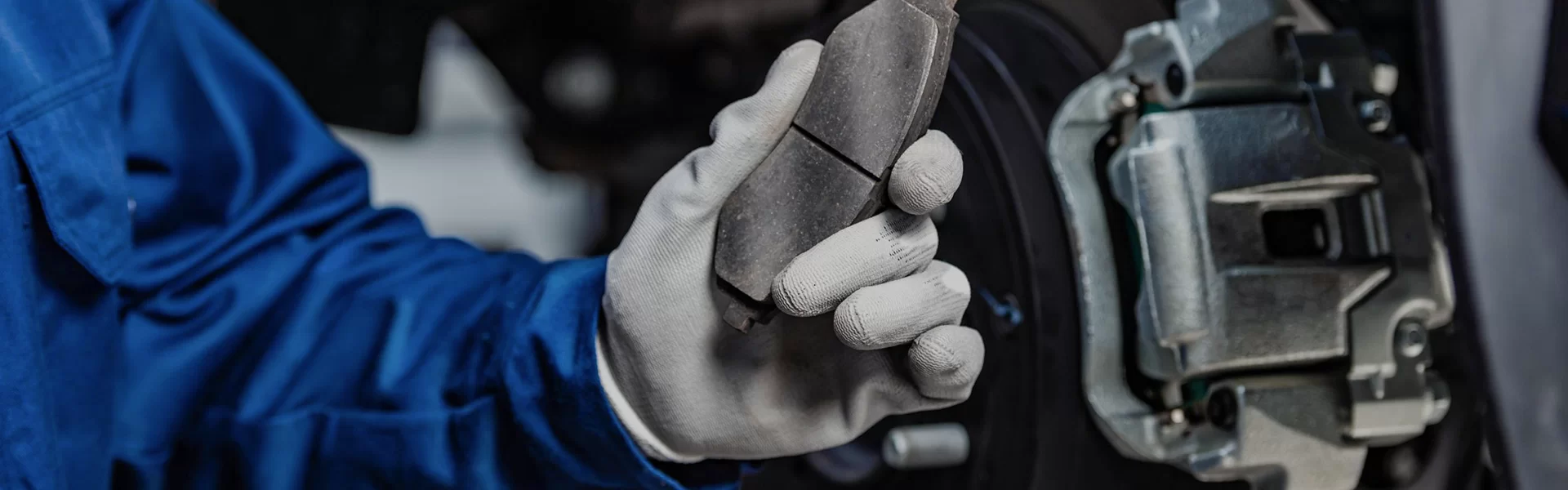
Brake pads and linings might not make headlines like electric cars or autonomous driving, but frankly, they’re the unsung heroes of vehicle safety and performance worldwide. Without them, all the sophisticated tech in the world couldn’t save us from dangerous stops. Their global importance extends beyond daily commutes—it touches industrial fleets, public transit systems, even humanitarian logistics in disaster zones.
In this article, we’ll unpack what brake pads and linings really are, why their quality and innovation matter, and how the industry is evolving to meet growing demands for safety and sustainability.
It might surprise you, but the global automotive aftermarket is forecasted to reach over $650 billion by 2027—with brake components like pads and linings accounting for a significant chunk of that. According to the International Organization for Standardization (ISO), standardized safety materials save countless lives annually by ensuring consistent braking performance across markets.
Yet challenges remain: poor-quality brake materials in some regions lead to increased accident risks and maintenance costs. Rising environmental regulations also press the industry to develop eco-friendly alternatives that minimize toxic dust and emissions.
This means brake pads and linings aren’t just technical parts; they’re pivotal in global safety, economic efficiency, and even public health.
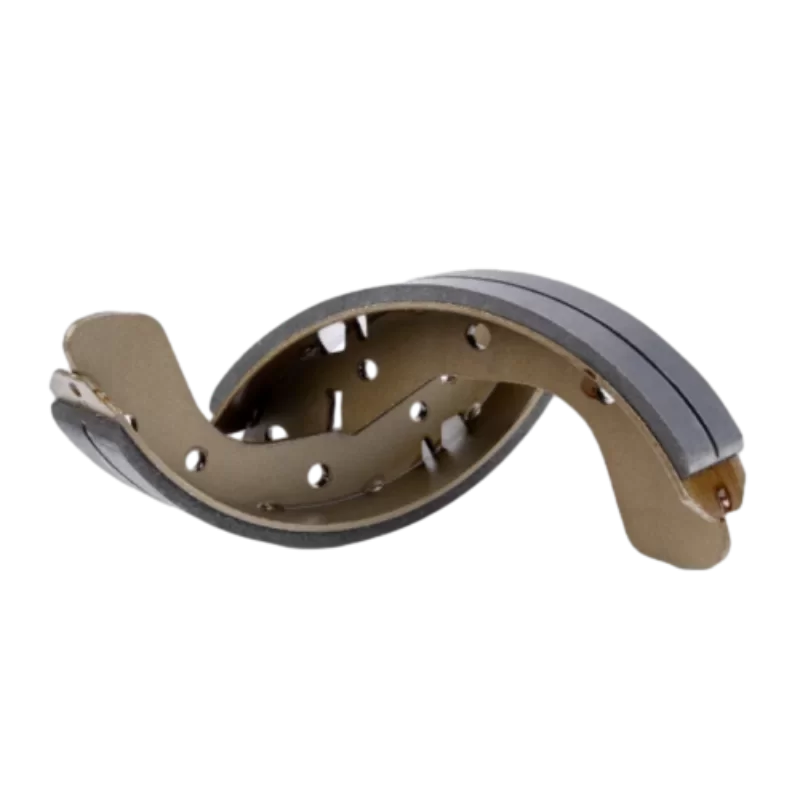
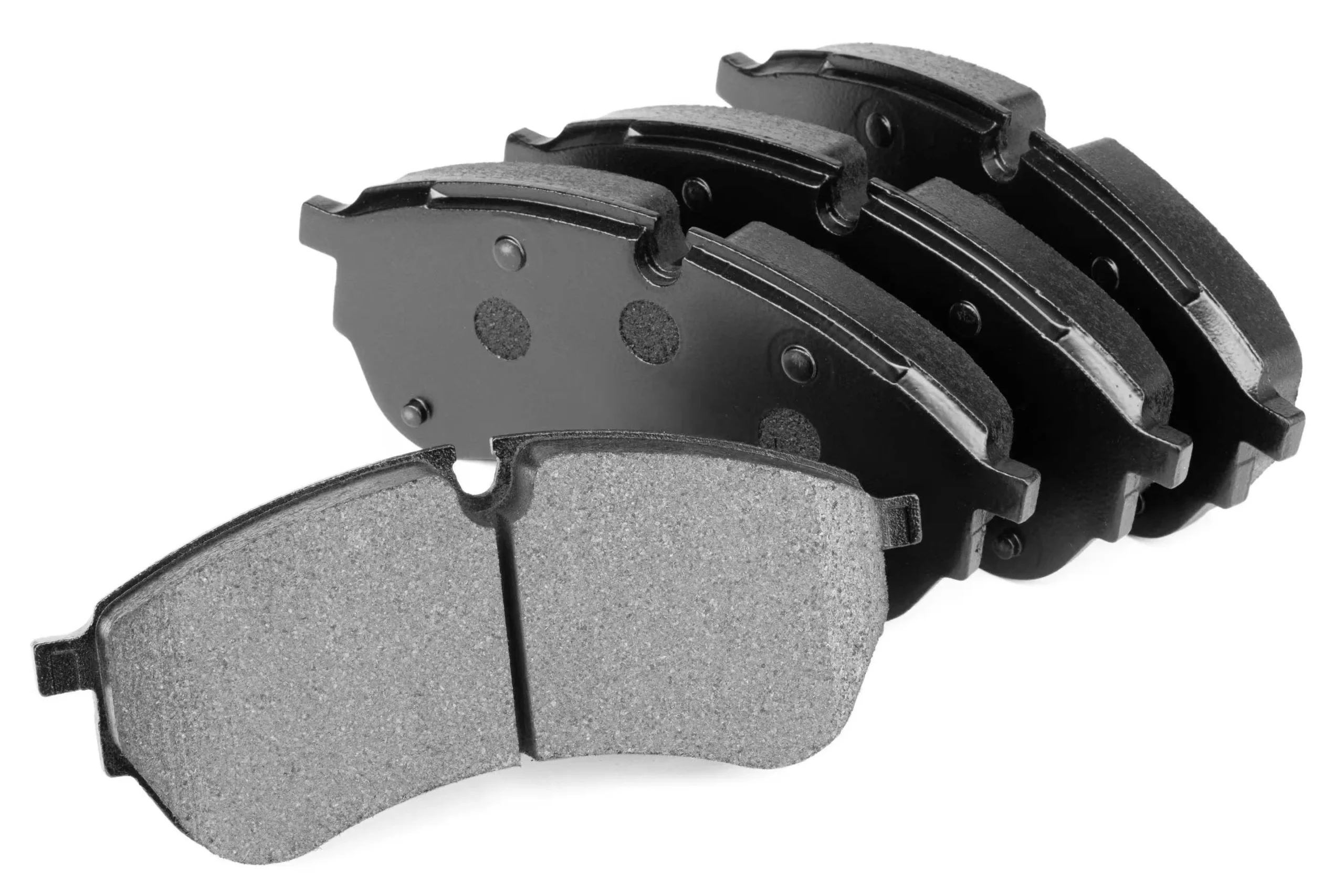
Simply put, brake pads are the friction surfaces that press against the brake rotors to slow down or stop a vehicle, while brake linings are the materials affixed inside drum brakes performing a similar function. Both convert kinetic energy into heat through friction, allowing controlled deceleration.
Modern brake materials, carefully engineered, balance stopping power with durability and noise reduction. They are crucial not only for passenger cars but for trucks, trains, and even aircraft ground equipment—basically anywhere dependable braking is non-negotiable.
Brake components must resist wear from intense friction and heat over long periods. Materials like semi-metallic composites or ceramic blends offer extended service life without sacrificing performance.
Effective heat dissipation prevents brake fade—when performance suddenly drops under heavy use, which can be literally life-saving during mountain descents.
Recent regulations encourage manufacturers to reduce heavy metals and harmful particulates in linings, pushing innovations in organic and low-metal formulations.
Fleet operators especially weigh upfront costs vs. longevity carefully; better materials may cost more initially but save money via longer intervals between replacements.
Advanced pads minimize squealing and shudder, enhancing ride comfort—a seemingly small but important detail for drivers and passengers alike.
Oddly enough, some emerging markets see significant growth in brake pad demand as vehicle fleets expand rapidly, presenting both opportunities and quality-control challenges.
Choosing high-quality brake pads and linings brings clear benefits:
From a social perspective, better braking components contribute to safer roads and public trust in transportation systems—a subtle but important form of innovation with a human face.
| Model | Material Type | Coefficient of Friction | Max Operating Temp (°C) | Typical Vehicle Use |
|---|---|---|---|---|
| Xtreme Ceramic 3000 | Ceramic | 0.35 – 0.40 | 650 | Passenger Vehicles |
| SteelPro Semi-Metallic | Semi-metallic | 0.40 – 0.45 | 700 | Trucks & SUVs |
| EcoGuard Organic | Organic (Low Metal) | 0.30 – 0.35 | 500 | City Vehicles |
| Vendor | Material Variety | Sustainability Initiatives | Global Reach | Pricing (Range) |
|---|---|---|---|---|
| KyBrakePad Co. | Ceramic, Semi-Metallic, Organic | Recycling Programs, Low-Dust Materials | North America, Asia, Europe | $$ – $$$ |
| SafeStop Industries | Primarily Semi-Metallic | Certifications for Heavy Metal Reduction | Europe, South America | $ – $$$ |
| GreenLine Brake Systems | Organic & Eco-Friendly Pads | Focus on Biodegradable & Non-Toxic Materials | North America, Europe | $$ – $$$$ |
Innovation in brake pads is quietly accelerating. For one, there’s a growing trend toward smart brake pads embedded with sensors to monitor wear in real time—a game changer for fleet maintenance logistics.
Then there’s the push for greener materials. Incorporating bio-based resins or ceramic fibers reduces reliance on heavy metals, aligning production with global sustainability goals. The automotive industry’s shift to electric vehicles also influences brake design—regenerative braking lessens wear, which means pad formulas might adapt to this new brake usage pattern.
Plus, stricter regulations on particulate emissions during braking encourage manufacturers to develop dustless linings, improving both environmental and human health outcomes.
Brake pads and linings sometimes face issues like premature wear, noise, and inconsistent friction, often due to low-quality materials or improper installation. But engineers continuously optimize compound formulas and manufacturing processes to address these drawbacks.
For example, KyBrakePad’s quality assurance testing includes multi-stage thermal and abrasion cycles that mimic harsh real-world conditions, ensuring their products meet rigorous standards. User education on correct installation also plays a role in maximizing performance.
Brake pads and linings might seem modest compared to flashy vehicle tech, but their role in safety, efficiency, and sustainability is profound. Investing in quality, innovative products ensures better performance, longer service life, and contributes directly to safer roads worldwide.
If you want to explore premium brake components tailored for your needs, visit KyBrakePad’s website for detailed product info and expert support.
Mini takeaway: Prioritizing advanced brake pads and linings means putting safety, environmental care, and cost savings on the front burner—a smart move in today’s evolving transport landscape.
References: