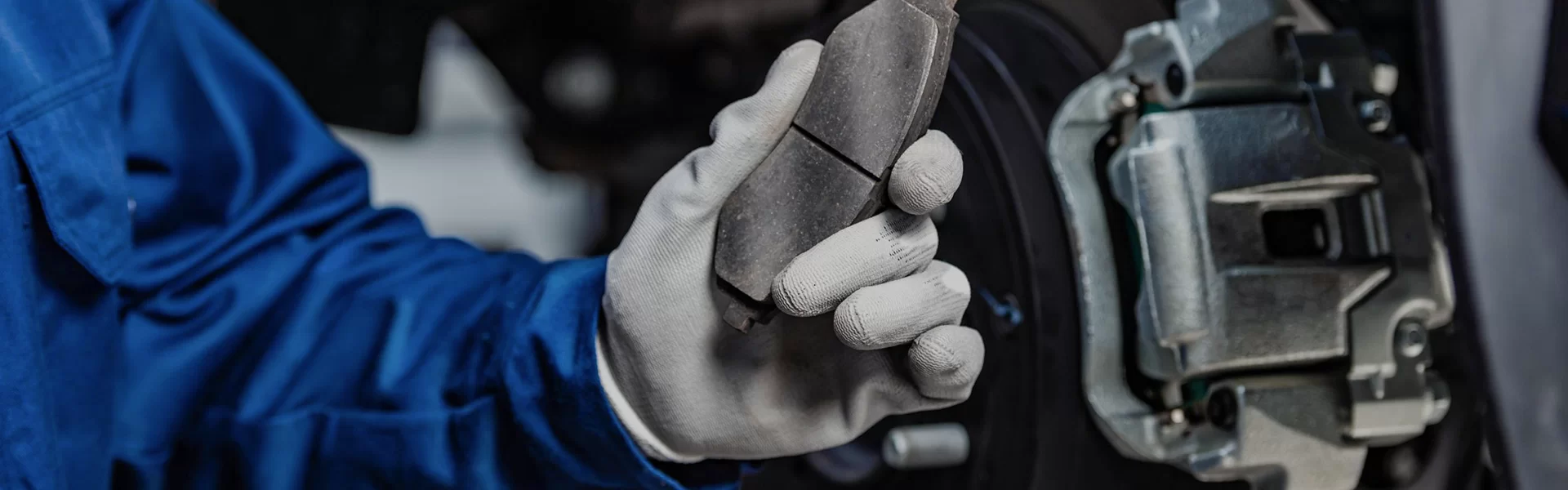
When discussing vehicle braking systems, two essential components dominate the conversation: the brake pad and brake shoe. Although many drivers use these terms interchangeably, each plays a unique role depending on the braking system design. Understanding the differences between brake pad brake shoe systems, how brake pad shoe configurations operate, and why specialized products like the brake shoe 4709 or brake shoe beat matter in specific models is crucial for safety, performance, and proper maintenance.
As automotive technology evolves, braking components become more specialized. From compact passenger vehicles to heavy-duty trucks, the selection of brake pads & shoes influences brake response, durability, heat resistance, and long-term reliability.
To appreciate the function of both systems, it is important first to understand their mechanical differences and applications.
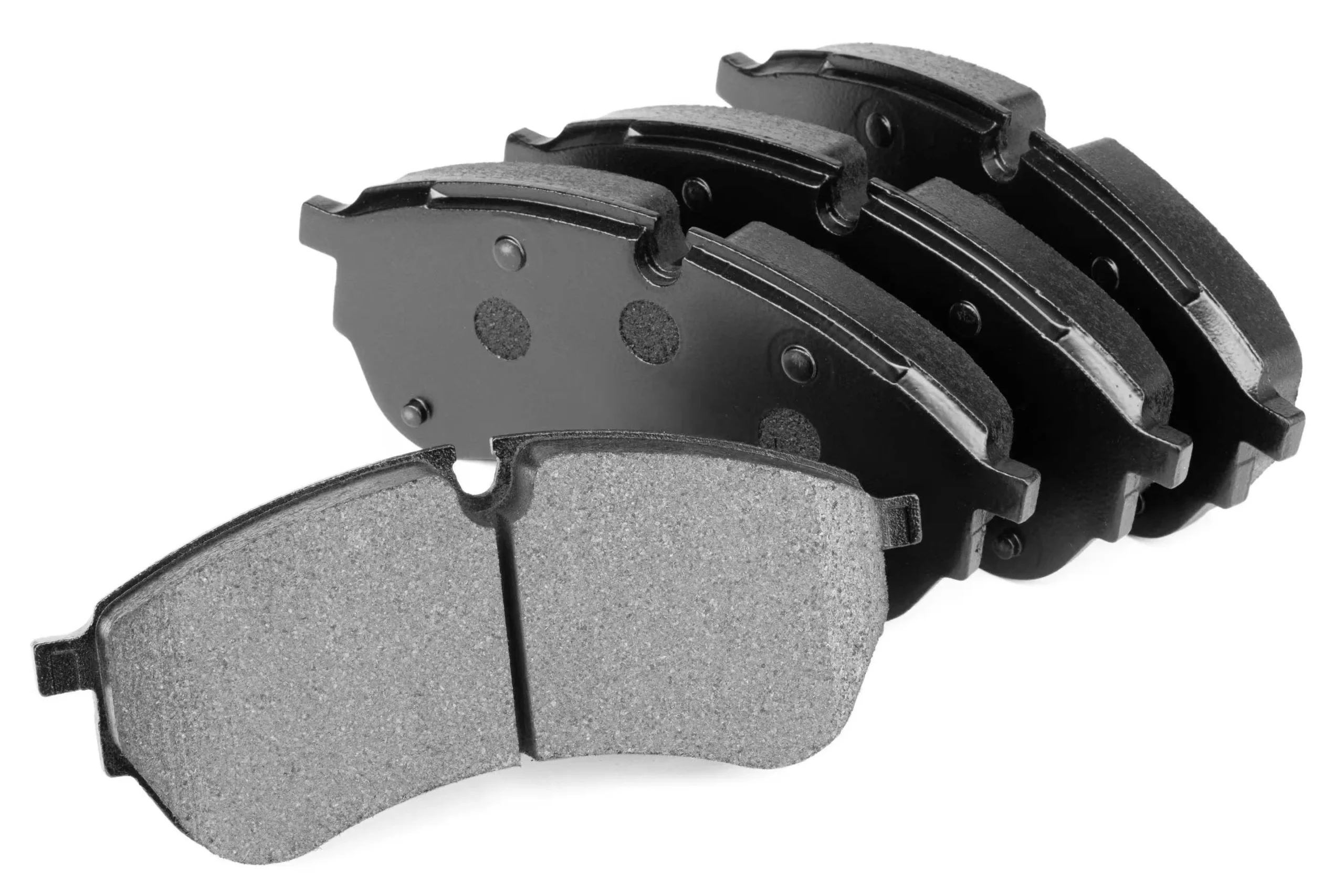
Disc brakes rely on brake pads to create friction against a spinning rotor. When a driver presses the brake pedal, hydraulic force pushes the brake pad shoe components together, clamping the rotor and slowing the vehicle.
The advantages of disc brakes include:
1. Fast heat dissipation
2. Better performance in wet conditions
3. Consistent braking efficiency
4. Lower tendency to fade under repeated braking
This makes brake pads & shoes configurations more common in front braking systems, where most stopping force is applied. Modern passenger cars almost always rely on disc brakes in the front, and often on all four wheels.
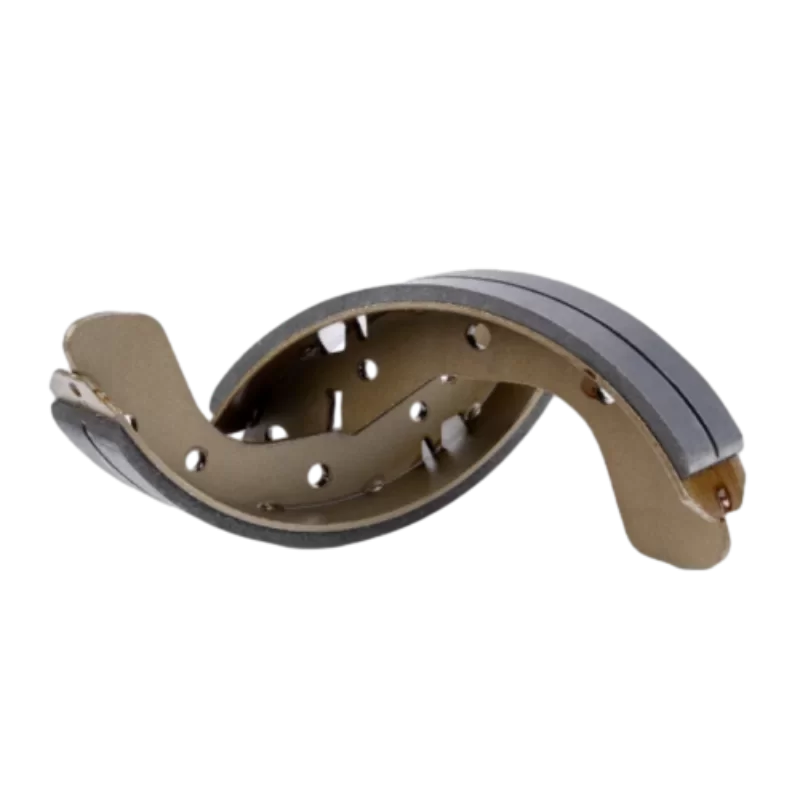
Unlike pads, a brake shoe presses outward against the inner surface of a rotating drum. The curved nature of the brake shoe allows for greater surface area contact, making drum brakes particularly strong in holding or parking brake applications.
Drum brakes are frequently found in:
In heavy-duty applications like trucks or buses, specialized parts such as the brake shoe 4709 are commonly used due to their durability, heat resistance, and load capacity. Similarly, specific models such as the brake shoe beat are designed for smaller vehicle platforms or regional automotive brands.
Choosing between brake pad and brake shoe systems depends largely on application, performance expectations, and vehicle design.
High-load commercial vehicles often rely on drum systems due to their ability to handle sustained friction at lower cost. Products like the brake shoe 4709 are engineered for durability and heavy service cycles.
On the other hand, performance cars favor disc systems with high-quality brake pad shoe setups for superior cooling and fade resistance at high speeds.
Maintenance costs differ between systems:
1、Brake pads typically need replacing more often in performance vehicles.
2、Brake shoes may last longer but require more labor during replacement due to drum assembly complexity.
In many compact cars, a hybrid brake pad and brake shoe system is used—disc brakes in front and drums in the rear—to balance performance and cost.
Part selection depends on:
1. OEM specifications
2. Brake system type
3. Vehicle weight and usage
4. Regional manufacturing standards
Enthusiasts and fleet managers often choose aftermarket brake pads & shoes to improve braking performance or extend service intervals. Specialized compatibility lists also identify which vehicles require components like the brake shoe beat for specific models in certain markets.
Understanding the roles and differences of brake pad and brake shoe systems allows drivers, technicians, and fleet owners to make informed decisions about maintenance and replacement. While disc brakes rely on brake pad shoe systems for high-speed heat dissipation and performance, drum brakes provide strong, cost-effective braking for rear axles and heavy-duty vehicles.
Products such as the brake shoe 4709 or brake shoe beat show how varied braking systems can be based on vehicle type, performance requirements, and manufacturing standards. Whether selecting brake pads & shoes for replacement or upgrading a braking system for safety and efficiency, understanding these components ensures optimal performance, reduced wear, and enhanced safety on the road.
A brake pad is used in disc brake systems and clamps against a rotor, while a brake shoe presses outward inside a drum brake. The choice depends on the braking system of the vehicle.
Many vehicles use a hybrid configuration: disc brakes with brake pads in the front for stopping power and drum brakes with brake shoes in the rear for cost savings and durability.
The brake shoe 4709 is typically found in commercial trucks, buses, and heavy-duty applications due to its strength, heat resistance, and long service life.
The brake shoe beat refers to brake shoes designed for certain compact vehicle models, often used in specific regional automotive markets.
Replacement cost depends on vehicle type, labor, and quality of components. Brake pads & shoes can vary widely in cost, with pads generally replaced more often than shoes.